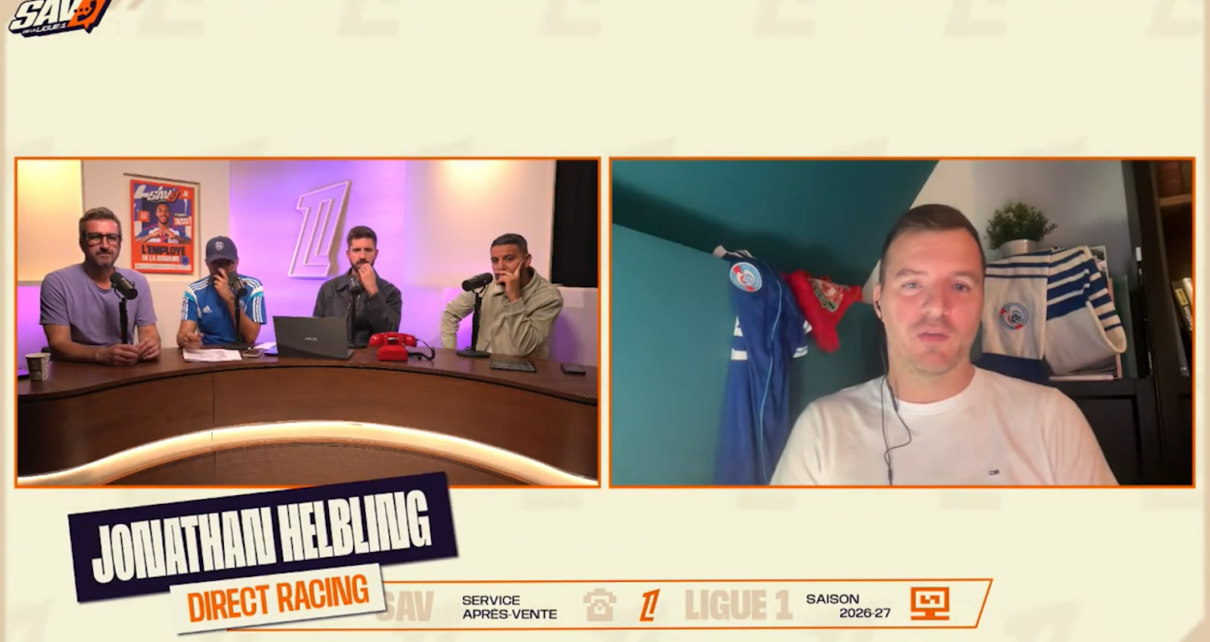
Strasbourg’s abrupt decision to release Liam Rosenior for Chelsea’s mid-season surge has sent shockwaves through the club, its supporters, and the broader Ligue 1 landscape. The move, executed under the umbrella of BlueCo ownership, has ignited debates over loyalty, timing, and the tangible consequences for the team’s trajectory. With the club poised for European ambitions and Rosenior’s departure coinciding with a critical phase, the ripple effects extend far beyond a single transfer window.
When leadership splits its allegiance
The crux of the controversy lies not just in Rosenior’s departure, but in its destination. Transitioning to a rival top-tier English club mid-season—particularly Chelsea, owned by the same consortium—has amplified the sense of betrayal among Strasbourg’s fanbase. Observers highlight the dual-loyalty dilemma as a central grievance: “It’s one thing to leave, but leaving for another club within the same ownership group feels like a calculated abandonment,” noted an analyst on the panel.
Compounding the frustration is Chelsea’s recall of defender Mamadou Sarr during Rosenior’s tenure, leaving Strasbourg with a defensive void at a pivotal moment. The timing—amid a Conference League push—has underscored the tangible cost of Rosenior’s move, with supporters questioning whether the club’s ambitions can survive fragmented leadership.
Outrage in the stands: crossing the line
While the debate over Rosenior’s exit rages on, the intensity of supporter reactions at Jean-Bouin Stadium has sparked its own controversy. Insults directed at Rosenior and his family during a tense match crossed a line for many observers, including panelists who condemned the personal attacks. “You can challenge a manager on the pitch, but targeting his loved ones is unacceptable,” one commentator emphasized. The subsequent fallout—including Rosenior’s visible frustration post-match—has left a divide: condemnation of the insults versus understanding of the raw emotion driving them.
The blunder that compounded the crisis
The way Rosenior announced his departure to Chelsea in January became a lightning rod for criticism. Described as an unprepared, impromptu affair, the press conference lacked the gravitas expected for such a pivotal club moment. Panelists highlighted a particularly tone-deaf remark: implying supporters should take pride in Strasbourg producing coaches for top European clubs. “A club’s leader must respect its history and its people—this wasn’t just a blunder; it was a missed opportunity to honor the institution,” noted an editorial voice on the show.
Whether a communication failure or a poorly timed strategy, the fallout from that press conference continues to haunt Rosenior’s legacy. The Racing Club de Strasbourg now faces a dual challenge: navigating the immediate fallout while addressing the deeper questions of leadership and loyalty that Rosenior’s exit has laid bare.
Reckoning with the aftermath
For Strasbourg, the Rosenior saga is more than a transfer gone wrong—it’s a test of resilience. With the team’s European dreams hanging in the balance, the club must now confront the consequences of a decision that prioritized short-term opportunity over long-term cohesion. Supporters, divided between pride and disillusionment, demand answers: Can a club reconcile ambition with loyalty when the same owners call the shots in rival camps? The answer will define Strasbourg’s next chapter.