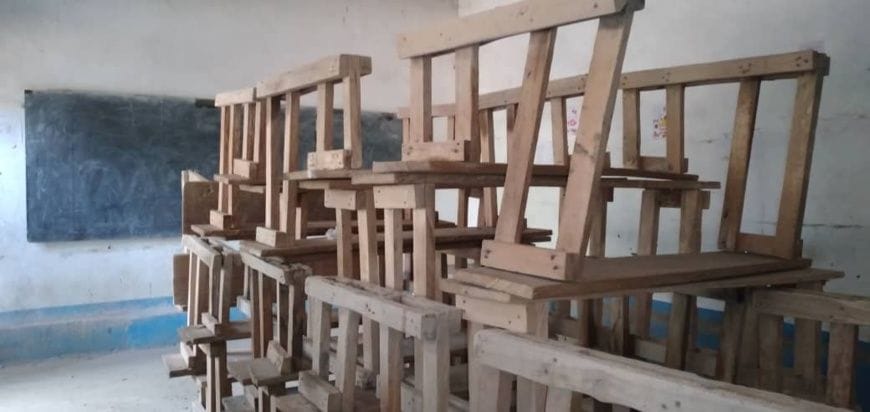
Across Chad, schools are grappling with a growing crisis that extends far beyond the classroom. Widespread student indiscipline is eroding the foundations of the education system, threatening the development of the nation’s future leaders. This challenge demands a united response from educators, families, and communities to restore order and secure the country’s long-term progress.
Classroom chaos: when respect for authority fades
From the bustling corridors of N’Djamena’s high schools to the rural classrooms in the hinterlands, teachers are facing unprecedented disruption. Disrespect toward educators, physical altercations, rampant mobile phone use during lessons, and deliberate damage to school property are no longer isolated incidents. These once-uncommon behaviors have become alarmingly frequent, creating a tense atmosphere where maintaining order feels like an uphill battle.
Educators report that enforcing discipline has become increasingly difficult as students push back against rules and authority figures. Despite well-drafted school regulations and clear disciplinary measures, many teachers feel powerless in the face of growing defiance. The consequences extend beyond disrupted lessons—they risk undermining the very purpose of education.
“Teaching used to mean shaping young minds. Now, it often feels like a confrontation,” shares Michel Ngardiguina, a French teacher in a N’Djamena secondary school. “A simple reminder to stay focused can trigger aggression or verbal abuse. Without support from parents, schools alone cannot address these issues.”
The family’s role: where discipline begins
The home is where children first learn respect, responsibility, and boundaries. However, many families in Chad are struggling to fulfill this critical role due to economic hardships, overwhelming daily pressures, or a lack of awareness about the importance of parental involvement. As a result, some students enter classrooms without the foundational discipline needed to succeed.
Amina Moussa, a parent in N’Djamena’s Walia Barrière district, highlights the growing disconnect: “Many of us are overwhelmed by financial struggles and don’t have the time to guide our children properly. Social media and peer influences are shaping their behavior in ways we can’t control. We must reclaim our role as parents and work hand-in-hand with teachers to give our children the structure they need.”
When families fail to instill discipline early, schools inherit students who lack self-control and respect for authority. This leaves educators battling not only academic challenges but also behavioral issues that are difficult to correct. The ripple effects are concerning: a generation unprepared for the demands of higher education and the workforce.
A shared responsibility: building solutions together
The solution to Chad’s school discipline crisis cannot rest solely on the shoulders of teachers or parents. It requires a collective effort to rebuild a culture of accountability and mutual support. Key steps include:
- Strengthening parent-teacher partnerships: Regular meetings and open communication channels can help bridge gaps and align expectations between home and school.
- Engaging with adolescents: Understanding the root causes of misbehavior through dialogue can lead to more effective interventions.
- Revitalizing parent associations: These groups can serve as powerful advocates for discipline and community-driven solutions.
- Launching awareness campaigns: Educating both parents and students on the long-term benefits of discipline and respect for school rules is essential.
The stakes are high. For Chad to achieve sustainable development, its education system must produce disciplined, responsible citizens. The time for passive observation has passed. Schools and families must collaborate urgently to restore order, rebuild trust, and secure a brighter future for the nation’s youth.