Tchad: soaring poultry prices hit households and traders in Ati
Rising poultry prices in Ati are straining household budgets, squeezing traders’ margins, and threatening food security across the region. Authorities are urged to intervene to restore stability and protect local livelihoods.
The sharp rise in poultry prices in Ati is casting a shadow over daily life for residents, traders, and farmers alike. Once an affordable protein source, chicken and other poultry now carry price tags that strain household budgets and disrupt local markets.
Empty cages and quiet markets
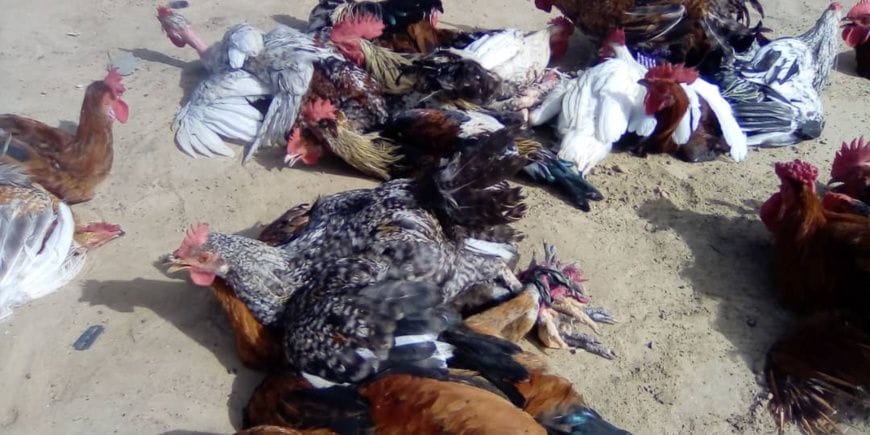
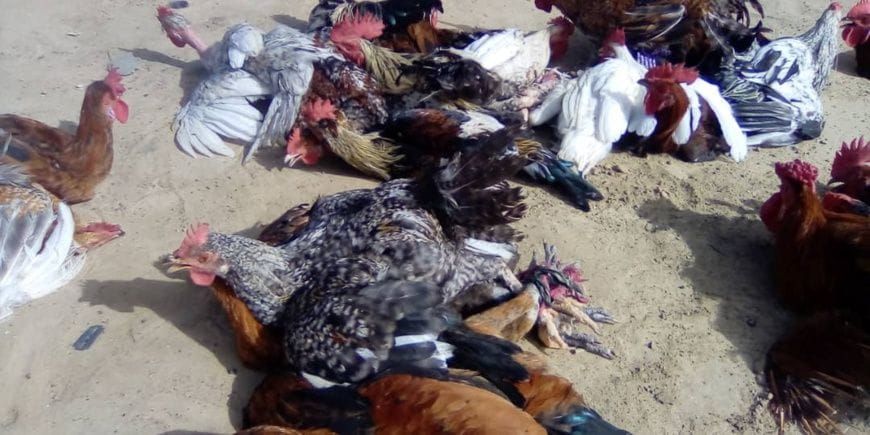
The central market in Ati tells the story of this shift. Where tables once brimmed with chickens and Guinea fowl, now only a handful remain, their prices scrawled on scraps of paper. Customers linger longer, hands hovering over empty baskets, negotiating prices that few can meet. Within months, poultry prices have skyrocketed—chickens that once sold for 6,000 to 8,000 FCFA now fetch between 10,000 and 15,000 FCFA, while smaller birds have jumped from 1,500–2,000 FCFA to 3,500–6,000 FCFA. The trend mirrors rising demand ahead of religious festivals and family gatherings, yet the surge in prices has done little to boost supply.
Families forced to cut back
For mothers like Amina Mahamat, who cares for five children, the change is stark. “We used to include chicken in meals at least once a week,” she says. “Now, it’s a rare treat. We’ve had to switch to cheaper foods to make ends meet.” The shift isn’t just about preference—it’s a matter of survival. Poultry has long been a cornerstone of protein intake in the region, but soaring costs are pushing families toward less nutritious alternatives, threatening long-term food security.
Traders struggle with dwindling sales
Vendors like Issa Hassan, who has sold poultry for over a decade, find themselves in a bind. “Raising prices doesn’t mean more profit,” he explains. “Customers are fewer, and some leave empty-handed. We’re selling less, not more.” Restaurants and street food vendors face similar challenges, forced to either hike meal prices or shrink portion sizes—both strategies that risk driving away customers already squeezed by rising living costs.
Farmers grapple with rising costs
Behind the scenes, poultry farmers are under pressure of their own. Feed prices, veterinary supplies, and transportation costs have all climbed, while access to grazing land and water remains unreliable. Disease outbreaks have also taken a toll on flocks. “Every month, expenses grow,” says Abakar Abdoulaye, a local farmer. “We have to charge more just to break even—this isn’t profit, it’s survival.”
Local economy feels the pinch
The ripple effects extend beyond the market. Transporters, feed suppliers, and small businesses that rely on poultry sales are seeing their revenues shrink. Some estimates suggest poultry sales have dropped by 20 to 30% compared to last year, though official data is still pending. Economists warn that when consumption declines, the entire local economy suffers—household incomes shrink, and small traders face steeper financial stress.
Calls for urgent action
Local leaders are urging authorities and development partners to step in with targeted support. Proposals include subsidizing poultry feed, expanding veterinary services, launching vaccination campaigns against poultry diseases, and offering financing options for small-scale farmers. Strengthening technical training to improve local production could also help stabilize supply and prices in the Batha region.
A growing concern for the community
This poultry price surge in Ati highlights a broader crisis: when staples like food become unaffordable, the entire community suffers. Without lasting solutions, the situation risks deepening household poverty and stalling local economic growth. For residents, access to affordable, nutritious food is no longer just a preference—it’s a daily challenge demanding immediate attention from local and national leaders.