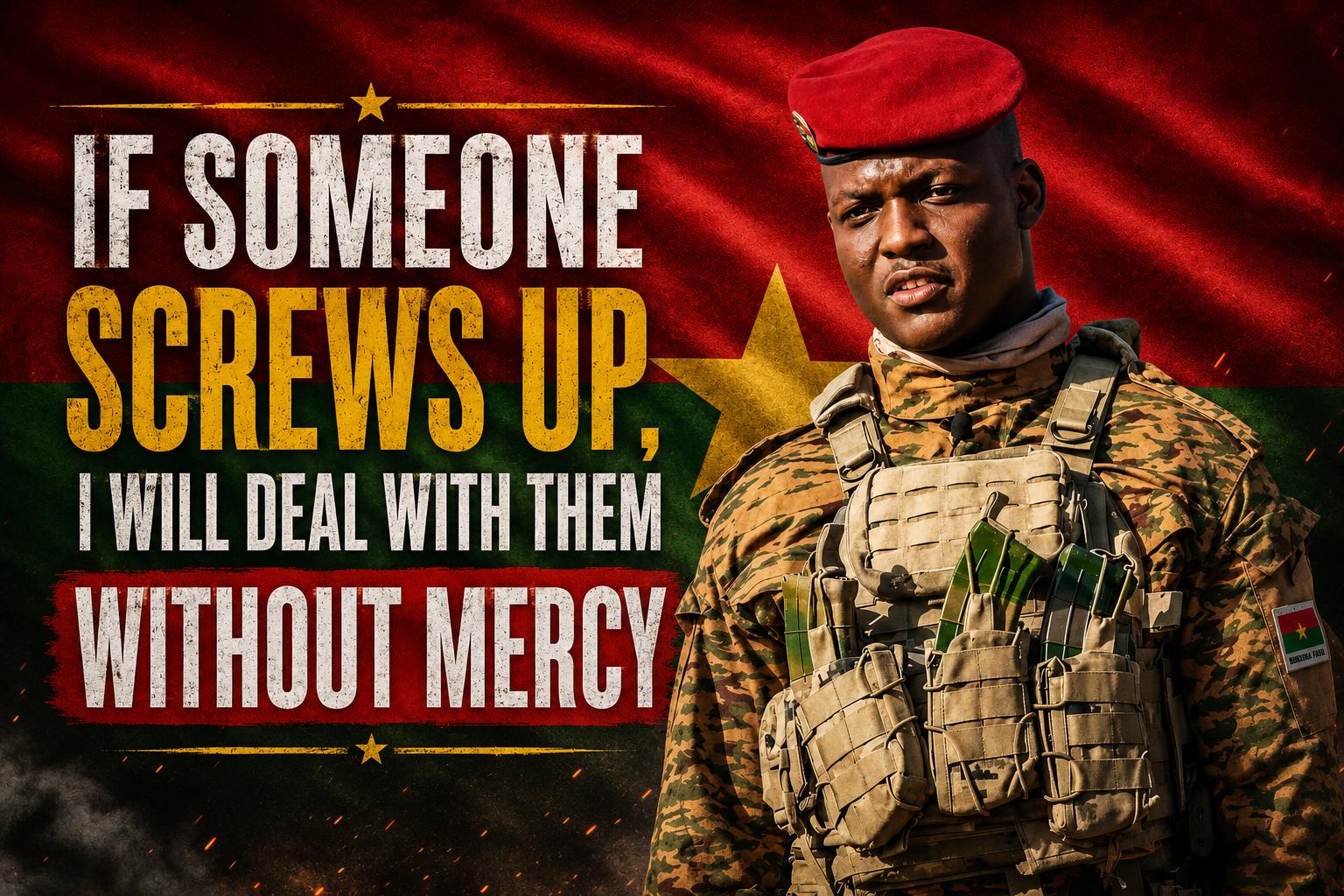
While Captain Ibrahim Traoré projects an image of unyielding authority, behind the scenes, Burkina Faso’s military junta is grappling with deep-seated rivalries that threaten its cohesion. The blunt tone of his recent statements—‘If someone messes up, I’ll crush them without hesitation’—hints at a fragile balance within the armed forces, where whispers of internal strife and power struggles grow louder by the day.
military divisions fuel instability
Since the 2022 coup that reshaped the nation’s leadership, the integrity of Burkina Faso’s armed forces has been tested like never before. Fractures within the military rank and file have widened, particularly over how to secure the territory and allocate command responsibilities. As armed groups continue to challenge state authority, the mounting pressure on decision-makers has only deepened mistrust among officers and factions alike. Some question the strategic choices made by the junta, while others debate the very legitimacy of the transition process.
The strain is visible not just in policy disagreements but in the growing suspicion that permeates the highest echelons of the military. Officers who voice concerns or question directives often find themselves sidelined, their loyalty scrutinized in an environment where dissent is treated as a potential act of betrayal.
a climate of surveillance and enforced loyalty
To quell internal dissent, the presidential intelligence apparatus has tightened its grip, monitoring officers deemed unreliable or indecisive. Recent months have seen a wave of arrests and forced retirements, as the regime moves swiftly to neutralize perceived threats before they can gather momentum. This crackdown, though framed as a measure to preserve stability, has instead fostered an atmosphere of paranoia among the ranks.
Soldiers and officers now tread carefully, their public allegiance masking private doubts about the junta’s direction. Meanwhile, informal discussions in barracks and command posts reveal simmering discontent, as many grapple with the future of Burkina Faso’s political transition under such strained conditions.
the high stakes of unity
For Captain Ibrahim Traoré, maintaining control over these divisions is not just a matter of pride—it’s a necessity. In a nation where every fracture in the leadership could be exploited by adversaries, domestic or foreign, the junta is under immense pressure to present a united front. The harsh rhetoric—‘If someone messes up, I’ll crush them without hesitation’—serves as a blunt warning: any sign of disloyalty will be met with swift and severe consequences.
Yet, the very steps taken to enforce unity may be sowing the seeds of future instability. As distrust spreads and factions harden their positions, the question remains: how long can Burkina Faso’s military leadership sustain this delicate balance before the cracks become unbridgeable?