The illusion of reconciliation in Chad: how presidential pardon shapes politics
President Mahamat Idriss Déby Itno’s recent address marking Chad’s independence anniversary on August 11, 1960, signals a pivotal moment in his governance. Behind the carefully crafted rhetoric of national unity and reconciliation lies a calculated political strategy blending republican resolve with strategic magnanimity to sway public opinion.
The leadership highlights pressing issues like corruption and favoritism while simultaneously announcing imminent presidential pardons. This dual approach creates an illusion of reform while masking deeper political calculations designed to shape national perception.
Denouncing systemic flaws to deflect responsibility
The regime’s first tactic involves appropriating the opposition’s own vocabulary. By labeling corruption and embezzlement as obstacles to progress, the administration neutralizes criticism of its own stewardship since April 2021. This rhetorical maneuver allows the president to position himself as a champion of public interest while diverting attention from systemic failures.
Announcements of surprise inspections and punitive measures serve as symbolic gestures, suggesting immediate action while shifting blame for structural shortcomings onto lower-level officials.
Presidential pardon versus amnesty: the legal trap
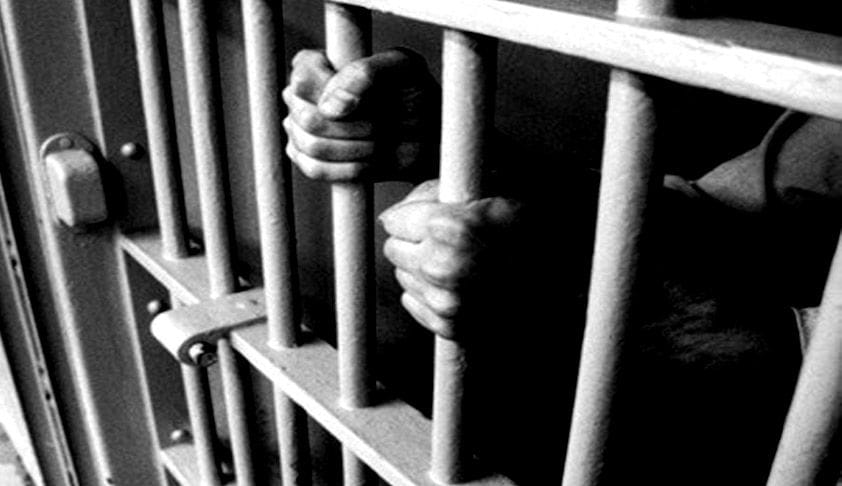
The heart of this political theater lies in the choice between pardon and amnesty. While amnesty erases legal culpability entirely—offering broader rehabilitation—presidential pardon only suspends the execution of a sentence. The underlying conviction remains intact, creating a precarious situation for recipients.
For the regime, this distinction is strategically critical. Maintaining a conditional pardon keeps beneficiaries vulnerable, restricting their future political activities and undermining their legitimacy as opposition leaders. The unilateral nature of such gestures reinforces the president’s dominance, framing national reconciliation as an act of benevolence rather than a negotiated settlement.
Unequal justice: the specter of deepening divides
This speech reveals glaring inconsistencies in how dissent is managed. Armed groups have benefited from amnesty under the banner of peace and transition, while peaceful opposition figures—particularly those associated with the Transformers movement—face severe judicial persecution and political marginalization.
This two-tiered approach fuels perceptions of selective justice and identity-based targeting, risking further fragmentation of the nation rather than fostering the unity it claims to seek. Historical precedents, including past reconciliation efforts, demonstrate that sustainable peace requires inclusive dialogue, equitable treatment, and genuine political engagement—not conditional clemency.
The power of rhetoric against social realities
The litany of unmet needs—water, electricity, infrastructure, and justice—may appear as an empathetic acknowledgment of suffering. Yet without concrete commitments, measurable targets, or timelines, such statements risk becoming hollow gestures designed to occupy media space rather than address systemic issues.
Ultimately, this address can be interpreted as a strategic communications campaign aimed at capturing the emotional high ground while preserving the prevailing political power structure. Beneath the veneer of conciliation lies a calculated effort to maintain dominance through carefully staged displays of authority.