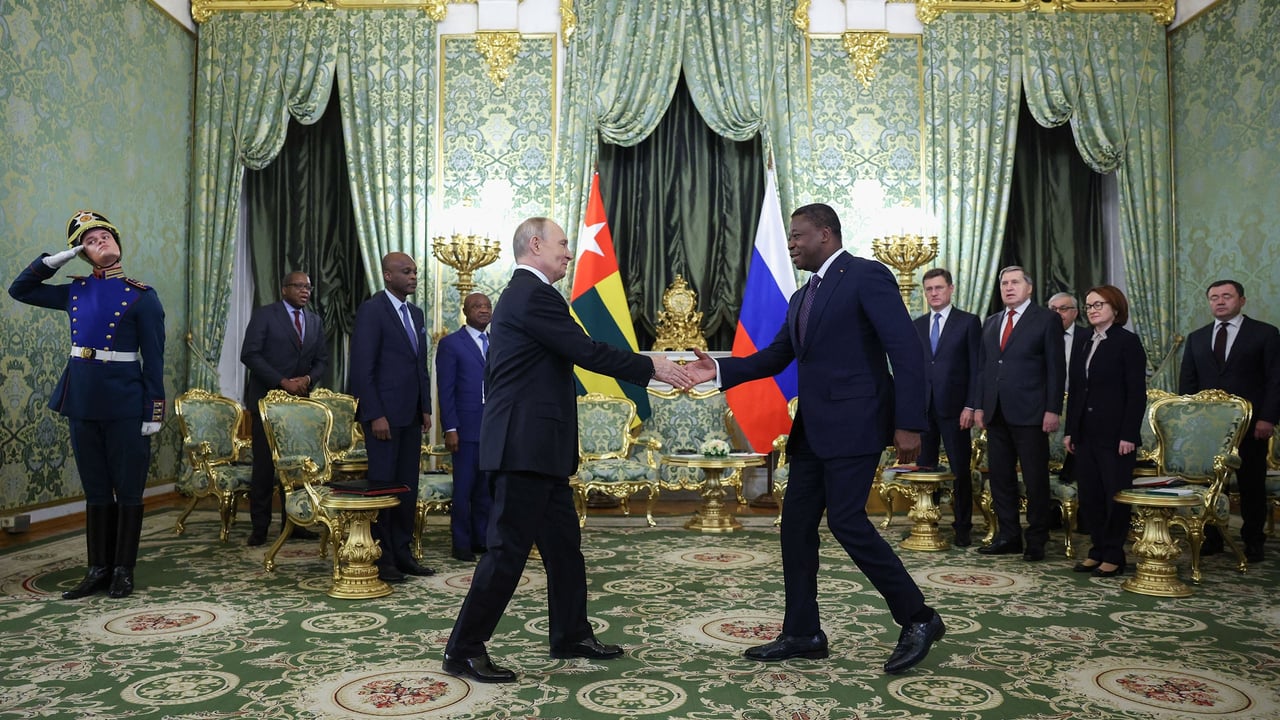
The small West African nation of Togo is quietly reshaping its security strategy in response to rising jihadist threats from the Sahel. Since 2025, Lomé has quietly forged new military alliances with Moscow’s Africa Corps, while deepening cooperation with Ankara for aerial and logistical support.
These covert defense partnerships come as jihadist groups intensify attacks along the country’s northern borders, prompting urgent action by President Faure Gnassingbé’s administration. According to insiders, the move reflects a broader shift in regional security dynamics, where traditional Western allies are no longer the sole source of counterterrorism support.
Behind Togo’s evolving security partnerships
Togo’s intelligence-led approach has led to discreet negotiations with foreign military actors. Reports indicate that Ankara has provided advanced drone surveillance and training to Togolese forces, while Moscow’s Africa Corps has deployed advisors and equipment to bolster border defenses.
Analysts suggest these alliances are not merely tactical but part of a long-term strategy to reduce dependence on France and other Western partners. The Togolese government has emphasized that cooperation with Russia and Turkey aligns with its national security priorities, particularly in combating cross-border extremism.
What Africa Corps brings to the table
Russia’s Africa Corps, a specialized unit within the Russian Ministry of Defense, has rapidly expanded its footprint in Africa over the past two years. In Togo, its presence is reportedly focused on training elite units, intelligence sharing, and logistical reinforcement for counterterrorism operations.
Military observers note that Africa Corps’ involvement offers Togo an alternative to traditional Western training programs, often criticized for slow response times and conditional aid. The unit’s rapid deployment capabilities have reportedly given Lomé a tactical edge in monitoring jihadist movements near the Burkina Faso border.
Turkey’s role in Togo’s aerial defense
Ankara’s engagement with Togo extends beyond military training. Turkish defense contractors have supplied reconnaissance drones and satellite imagery, enabling real-time monitoring of high-risk zones. This technological boost complements Togo’s existing French-provided surveillance systems, creating a layered defense network.
Togolese officials have praised the partnership, highlighting Ankara’s willingness to provide support without political strings attached. The collaboration has also included joint military exercises, further cementing defense ties between the two nations.
Challenges and controversies
Despite the perceived benefits, Togo’s new alliances have sparked debate among regional observers. Critics argue that closer ties with Russia and Turkey could strain diplomatic relations with Western partners, particularly France, which has historically played a dominant role in West African security.
There are also concerns about the transparency of these agreements. While the government has not disclosed the full extent of military cooperation, leaked documents suggest that some contracts involve long-term commitments, raising questions about sovereignty and future obligations.
Meanwhile, jihadist groups continue to exploit porous borders, testing the effectiveness of Togo’s expanded security framework. Recent attacks in neighboring Burkina Faso have heightened fears that extremist networks may shift focus toward Togolese territory.
President Faure Gnassingbé’s administration has remained tight-lipped about the specifics of these partnerships, emphasizing only that national security is the top priority. As the geopolitical landscape of the Sahel evolves, Togo’s strategic realignment could set a precedent for other West African nations grappling with similar threats.