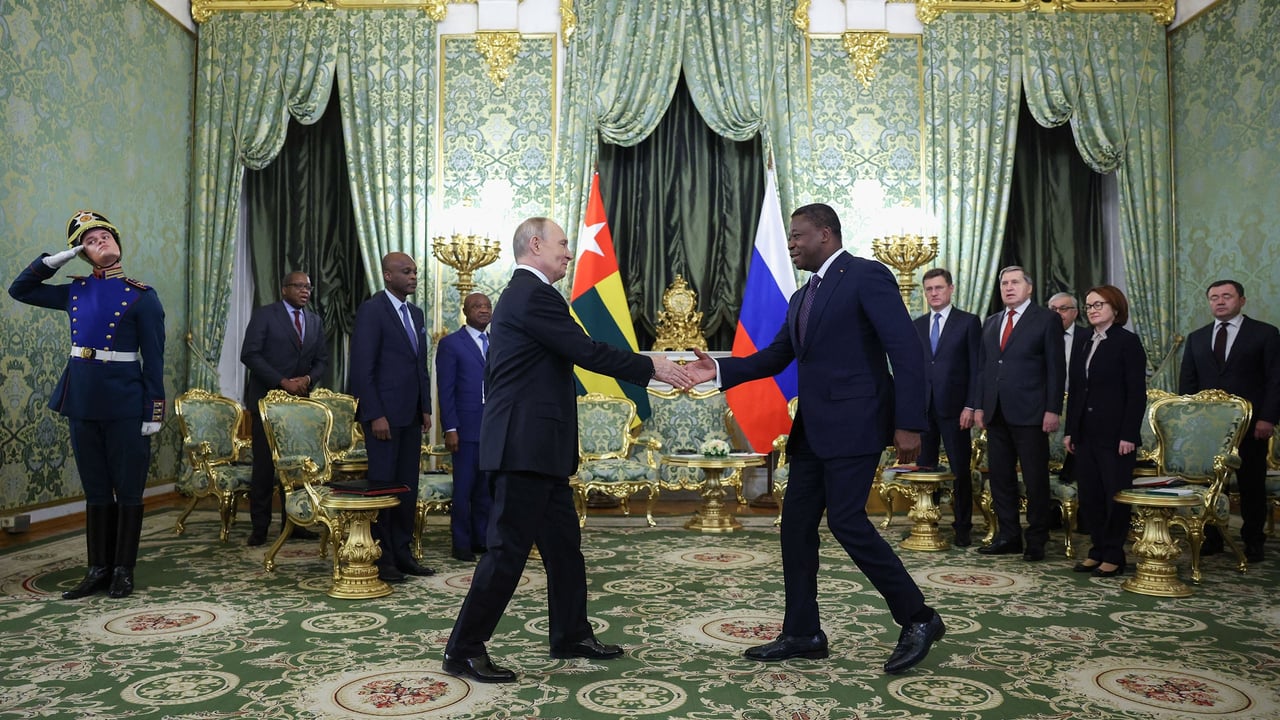
Togo strengthens ties with Russia and Africa Corps amid security shifts
Lomé is recalibrating its defense strategy as jihadist threats intensify across the Sahel. The Togolese government has quietly forged new security partnerships with regional and global actors, including Russia’s Africa Corps and Turkey, signaling a strategic pivot in its counterterrorism approach.
Behind the scenes: Togo’s evolving security alliances
For years, Togo has maintained a low-profile but robust anti-jihadist posture, deploying troops and intelligence assets to monitor cross-border movements from volatile Sahelian neighbors. However, recent developments reveal a deliberate expansion of these efforts through unconventional partnerships.
High-level discussions in 2025 led to the introduction of Russian military advisors operating under the Africa Corps framework—a move that has drawn international attention. While Lomé has not publicly detailed the scope of this collaboration, insiders confirm the presence of specialized units assisting in training and logistical support.
Turkey’s rising influence in West African security
Parallel to its engagement with Moscow, Togo has deepened its defense cooperation with Turkey, particularly in aerial surveillance and counterterrorism training. The partnership includes joint exercises and the provision of modernized equipment, though specifics remain classified. Observers note that Ankara’s growing footprint in the region aligns with Lomé’s broader security modernization agenda.
Strategic implications for the Gulf of Guinea
The shift in Togo’s alliances comes at a critical juncture. With jihadist factions gaining ground in Burkina Faso and Niger, neighboring states are under pressure to bolster their defenses. Togo’s proactive stance—balancing traditional Western partnerships with emerging Eastern ties—reflects a broader trend among West African nations seeking greater operational autonomy.
Government officials, speaking on condition of anonymity, emphasize that these collaborations are strictly defensive and compliant with regional security protocols.
Public reaction and political considerations
The government’s discreet outreach has sparked debate among analysts. While some praise the diversification of security partners, others caution against over-reliance on non-traditional allies. President Faure Gnassingbé’s administration faces the delicate task of maintaining public trust while navigating complex geopolitical waters.
As the situation evolves, Lomé remains tight-lipped about future engagements. Yet one thing is clear: Togo is no longer hedging its bets on a single security provider.
Will these new alliances reshape the security landscape of West Africa? Only time will tell.