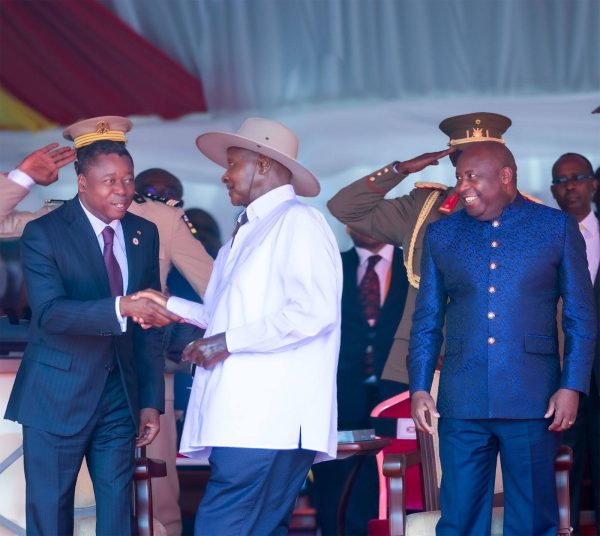
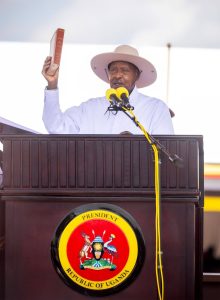
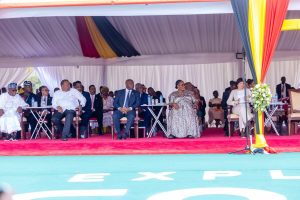
The scorching Kampala sun cast a golden glow over Tuesday’s inauguration ceremony, where official smiles and firm handshakes masked the weight of pressing African challenges. On May 12, 2026, the President of the Togolese Council arrived in Uganda as a guest of honor to celebrate President Yoweri Museveni’s re-election, but his presence carried a deeper purpose: accelerating a critical humanitarian mission for millions across Africa—the restoration of peace in the Great Lakes region.
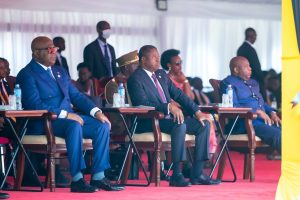
Kampala’s streets buzzed with republican fervor, alive with traditional songs and military parades. The ceremony, themed ‘Safeguarding achievements and advancing toward upper-middle-income status’, drew African heads of state and government alongside delegations from Europe, Asia, and the Americas. Yet beneath the pomp and official rhetoric, a bond of shared history and political trust between Faure Gnassingbé and his Ugandan counterpart shone through. By extending his warm congratulations to President Museveni on this new term, the Togolese leader reaffirmed a partnership built on mutual respect. Museveni reciprocated the sentiment, emphasizing how this visit underscored the enduring economic and political ties between Lomé and Kampala.
Great Lakes peace efforts take center stage in diplomatic talks
Behind the celebratory façade, the harsh realities of continental security soon dominated discussions. This visit to Kampala was more than a ceremonial gesture—it carried the urgent mission of restoring stability to the Great Lakes region. As the African Union’s special envoy for the crisis in eastern Democratic Republic of the Congo (DRC), Faure Gnassingbé understands that every diplomatic breakthrough saves lives. In Uganda, he seized the opportunity to reaffirm his unwavering commitment to pursuing relentless consultations with all stakeholders in the Great Lakes area.
Uganda’s strategic position in the region makes it a key partner in these efforts. President Museveni, well-versed in regional dynamics, praised Faure Gnassingbé’s ‘constructive diplomacy’—a Togolese approach rooted in quiet dialogue, mutual listening, and a resolute rejection of confrontational posturing. This method has time and again proven effective in defusing tensions and fostering collaboration.
A partnership built on consistency and trust
Within the corridors of Uganda’s presidency, officials recalled that the two leaders share a long-standing rapport. Their last one-on-one meeting took place just months earlier, on February 3, 2026, in Entebbe. This frequent and candid exchange highlights Togo’s growing role as a key facilitator and active contributor to peacebuilding across the continent.
As the festivities in Kampala drew to a close, the work of diplomacy pressed on. For Faure Gnassingbé, the return to Lomé would be marked by the knowledge that a robust bridge now connects West and East Africa, united in a shared vision of continental stability and development. This mission underscores, once again, Togo’s dedication to advancing African-led peace initiatives and fostering collaborative governance for a brighter future.