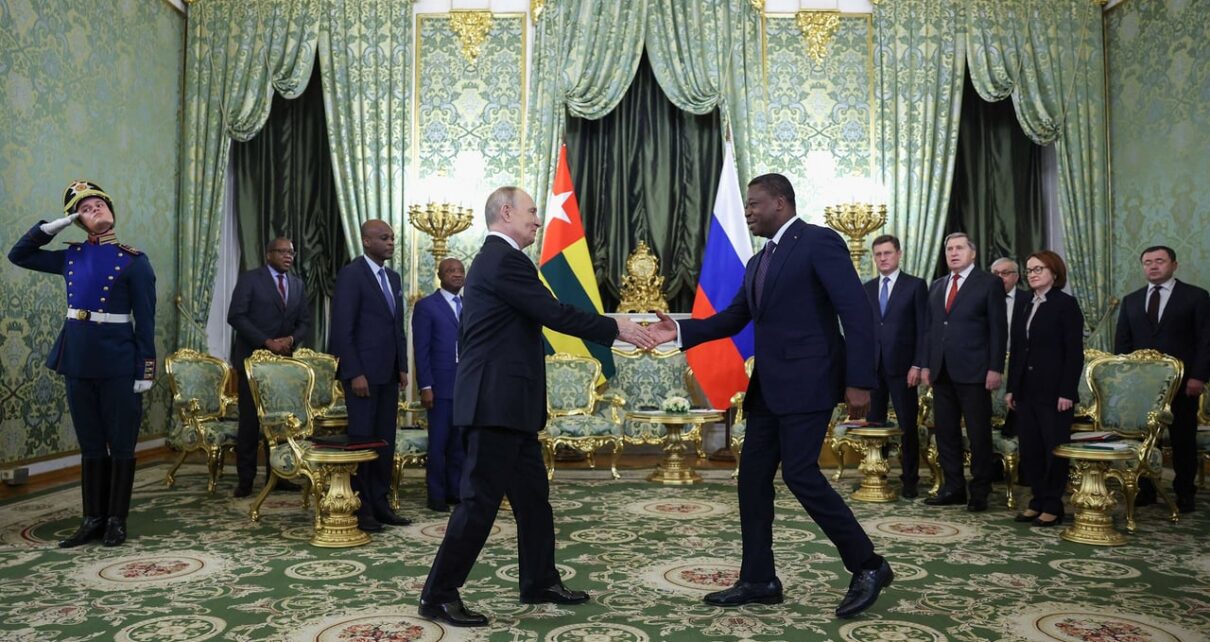
In a quiet but strategic move, Togo has begun reshaping its security partnerships in the face of rising jihadist threats across the Sahel. The country, long seen as a stabilizing force in West Africa, is now reaching out beyond its traditional allies in new directions that have raised eyebrows on the international stage.
From secret deals to open cooperation
For years, Lomé has operated largely under the radar, relying on discreet support from partners like Turkey to bolster its counterterrorism efforts. The cooperation included air support and specialized training, but recent developments suggest a broader recalibration of Togo’s defense strategy. Since 2025, a new player has entered the scene: Russia’s Africa Corps, a private military entity whose presence in the region is already reshaping power dynamics.
A new chapter in regional security
The shift comes as jihadist groups intensify their operations in neighboring countries, pushing instability closer to Togo’s borders. While official statements remain measured, diplomatic and military observers note a clear pattern. The Africa Corps, known for its rapid deployments and pragmatic approach, appears to be filling a gap left by declining Western support in parts of the Sahel. Meanwhile, Ankara’s role—once confined to training and intelligence—has expanded into logistical and operational support.
What this means for Togo’s future
The implications are significant. By welcoming both mercenary units and foreign naval assets, Togo is signaling a willingness to diversify its alliances beyond traditional partners. This could enhance its military capabilities but also introduces risks—political, operational, and reputational. Observers are already debating whether this pivot will stabilize the region or complicate existing security frameworks.