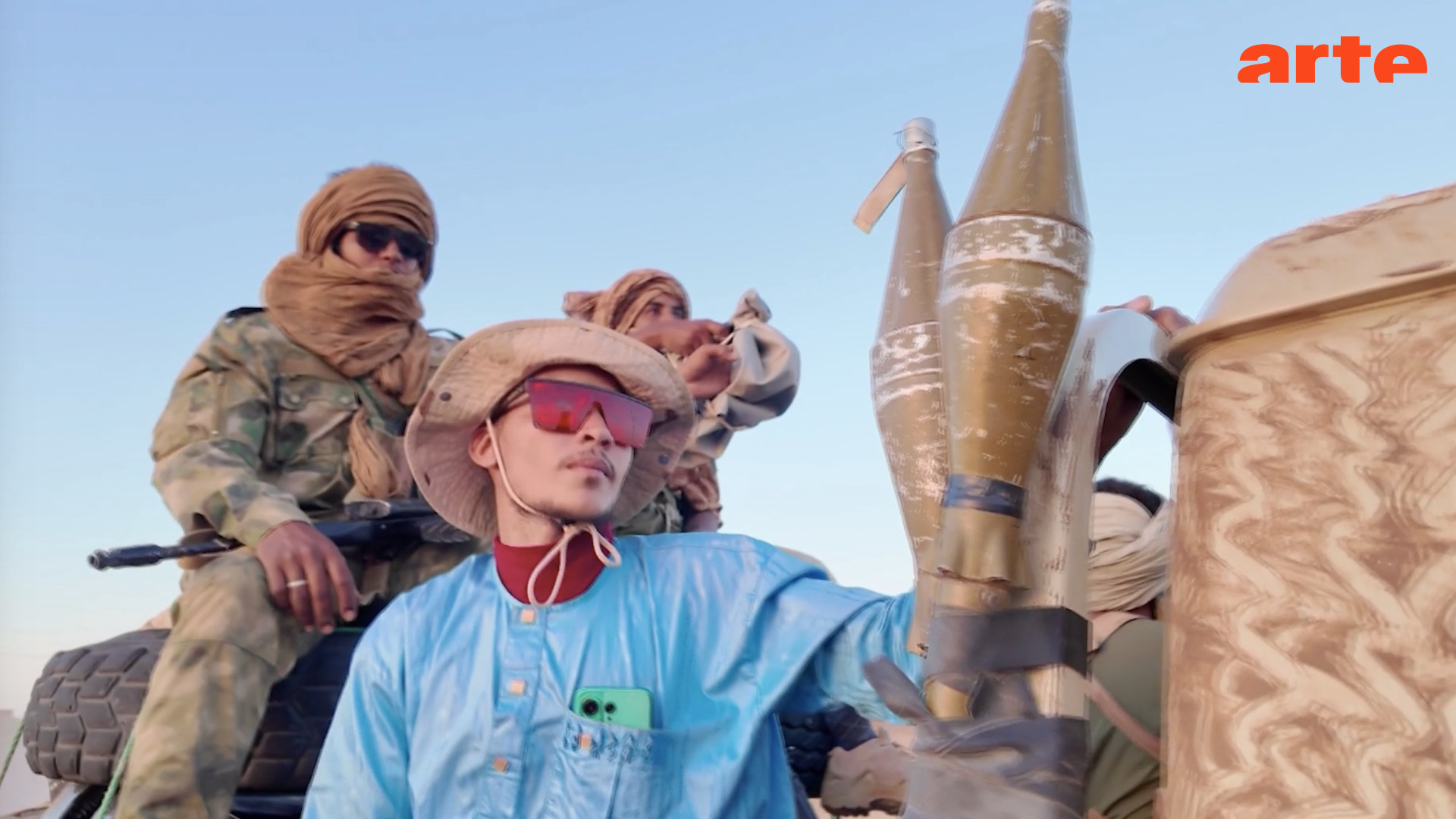
In late April, a synchronized offensive by armed groups in the Sahel reshaped the power dynamics in northern Mali. The coordinated assault, involving the Support Group for Islam and Muslims (JNIM)—an Al-Qaeda-linked faction—and the Azauad Liberation Front (FLA), a Tuareg rebel movement, overwhelmed Malian government forces and their Russian allies, the Africa Corps. The outcome was decisive: several key cities fell under rebel control, including Kidal, a strategic stronghold that government troops had reclaimed in late 2023.
Residents of Kidal were forced to evacuate as the fighting intensified. The rebels, now allied with JNIM, are bracing for a potential counteroffensive by the Malian authorities. This shifting landscape has raised concerns about the humanitarian impact on civilians caught in the crossfire of renewed conflict.
the rebel alliance and its implications
The alliance between the FLA and JNIM marks a significant escalation in the region’s instability. Once considered separate threats, their collaboration has created a formidable challenge for government forces. Eyewitnesses report that the rebels are consolidating their positions in Kidal, signaling a prolonged standoff with the Malian military.
- military setbacks: the combined force of JNIM and FLA rebels overpowered Malian troops and their Russian allies, demonstrating a shift in tactical advantage.
- humanitarian crisis: the evacuation of Kidal’s population highlights the immediate toll on civilians, with fears of further displacement as tensions rise.
- strategic concerns: the rebels’ control of Kidal could embolden their broader campaign, potentially threatening other regions in northern Mali.
a city transformed: Kidal under new leadership
Kidal, long a flashpoint in Mali’s conflict, now finds itself under the control of groups that had been pushed back in previous years. The city’s fall underscores the fragility of recent military gains and raises questions about the government’s ability to secure the region without external support.
The rebels’ presence in Kidal is not just a military matter; it reflects deeper ethnic and political grievances in northern Mali. The FLA’s alliance with JNIM suggests a convergence of local and transnational militant agendas, complicating efforts to restore stability.
what lies ahead?
The coming weeks will be critical as both sides assess their next moves. The Malian government, backed by its Russian allies, may attempt to retake Kidal, while the rebels could seek to expand their influence. For the people of northern Mali, the uncertainty poses a grave risk to their safety and livelihoods.
The situation in Kidal is a stark reminder of the challenges facing Mali as it grapples with insurgency, shifting alliances, and the humanitarian fallout of prolonged conflict.