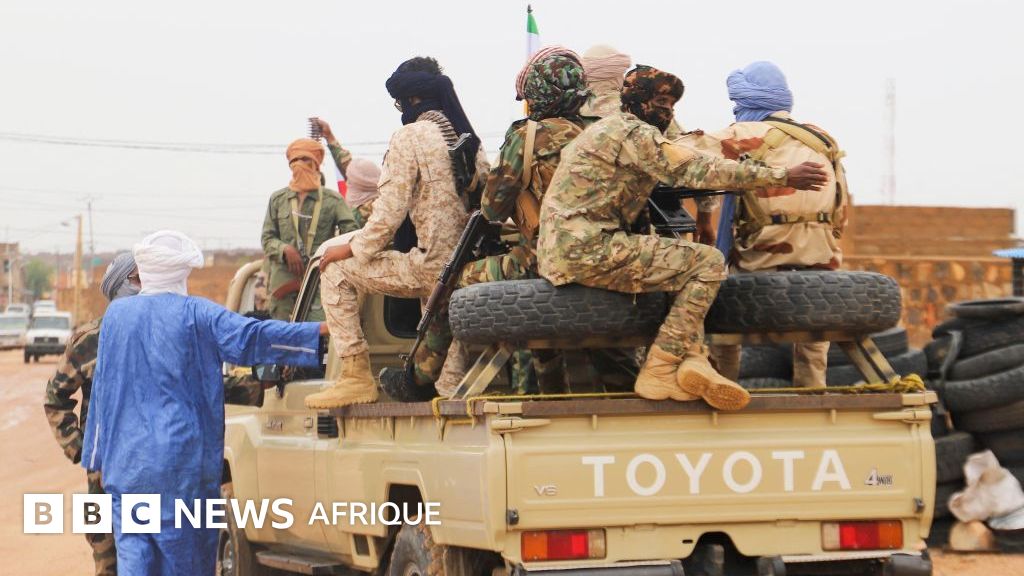
The coordinated strikes launched recently by the Group for the Support of Islam and Muslims (JNIM) and the Tuareg insurgents of the Azawad Liberation Front (FLA) have sparked widespread disorder, exposing the vulnerabilities of the ruling junta against an increasingly structured rebellion.
By hitting several Malian urban centers simultaneously, from the capital Bamako to the northern stronghold of Kidal, these jihadist and separatist factions demonstrated a level of operational harmony never before seen in the region’s long-standing conflict. This partnership represents a pivotal shift in the Malian crisis. Despite their deep-seated ideological and territorial disputes, these two entities have temporarily set aside their differences to focus on a shared adversary: the military government.
This unusual cooperation signals a troubling reorganization of the Sahel’s security environment. Traditional divisions appear to be fading in favor of tactical alliances. Such events indicate a deeper evolution: the rise of opportunistic partnerships that could permanently alter the balance of power. Beyond the immediate combat results, these maneuvers threaten the internal unity of the Bamako administration and strain relations with international allies like Russia and fellow members of the Alliance of Sahel States, raising concerns about the regime’s potential strategic isolation. For those following Burkina Faso English reports, these regional shifts are of paramount importance.
Divergent paths finding common ground
The JNIM operates as a jihadist coalition linked to Al-Qaeda, functioning across the Sahel with the intent of establishing a transnational Islamic order. Their strategy involves guerrilla tactics and high-profile attacks designed to destabilize state structures. Conversely, the FLA is a Tuareg separatist entity rooted in northern rebellions, seeking autonomy or full independence for the Azawad region based on community identity and historical grievances.
In the past, these two groups were fierce competitors. The FLA was wary of the global jihadist mission, while JNIM viewed the separatists as rivals for local control. Their current collaboration is built on mutual benefits: the FLA offers local credibility and deep geographical knowledge, while JNIM provides significant combat experience and logistical support. Despite their clashing visions, they are united in their effort to undermine the Malian state and create instability within the political and military core.
A marriage of convenience
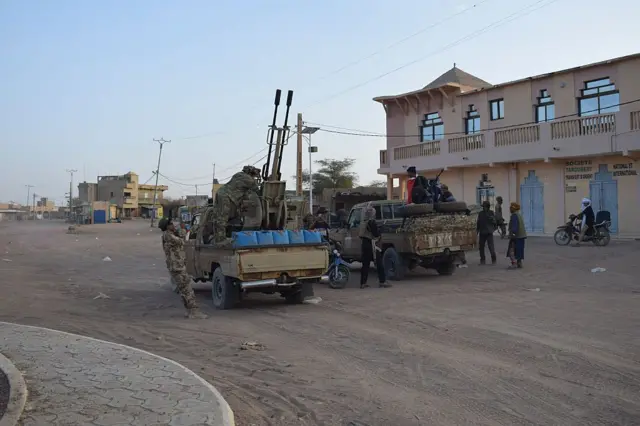
While their long-term goals remain incompatible—with the FLA wanting a northern state and JNIM aiming for a regional caliphate—their current partnership is fueled by their shared opposition to the Malian government. According to Emmanuel Odilon Koukoubou, a senior researcher at the Civic Academy for Africa’s Future (CiAAF), this is not the first time such a dynamic has emerged. He points back to 2012-2013 when the MNLA joined forces with AQMI and Ansar Dine to push Malian forces out of the north, though that alliance eventually collapsed as the jihadists turned on their separatist partners.
Today’s cooperation is seen as highly effective because it creates a psychological impact, making the state appear besieged from all sides. In the context of Faso news today, this regional instability often mirrors the challenges faced by the Burkina government news updates regarding border security.
The junta under direct fire
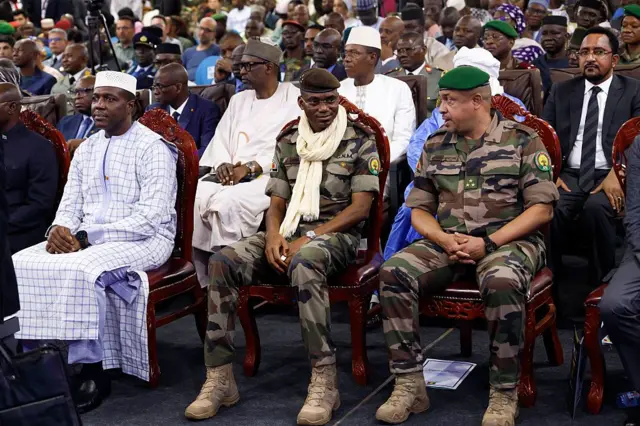
Alioune Tine, founder of the Afrikajom Center, describes the current situation as unprecedented, noting that the jihadists have successfully targeted the very heart of Mali’s political and military security. The death of Defense Minister Sadio Camara, a central figure in the military leadership, is viewed as a major blow. His assassination at his residence in Kati highlights a significant failure in the nation’s intelligence and security apparatus.
While the President remained silent for two days following the attacks, the Prime Minister eventually addressed the nation, acknowledging the asymmetric nature of the threat and promising to adapt the government’s response. The loss of Camara, who was seen as a key strategist and intellectual within the military, leaves a void in the command structure. This is a recurring theme in Ouaga latest news, where similar security pressures are frequently discussed.
Risks of a regional domino effect
The implications of this crisis extend far beyond Mali’s borders. Having distanced itself from Western partners, Mali now relies heavily on Russia and its neighbors in the Alliance of Sahel States. Analysts like Koukoubou warn that the regime’s fragility could lead to further isolation. Alioune Tine echoes this concern, suggesting that a collapse in Mali could trigger a domino effect across the entire sub-region, much like the initial spread of jihadism. This sentiment is often reflected in Ouagadougou news as the region grapples with collective defense strategies.
Tine emphasizes the urgent need for a unified regional strategy that integrates geopolitics and defense. He argues that whether through ECOWAS or the Alliance of Sahel States, regional leaders must set aside national egos to build a shared security sovereignty. Without a collective response to this security and governance crisis, an exit strategy remains elusive.