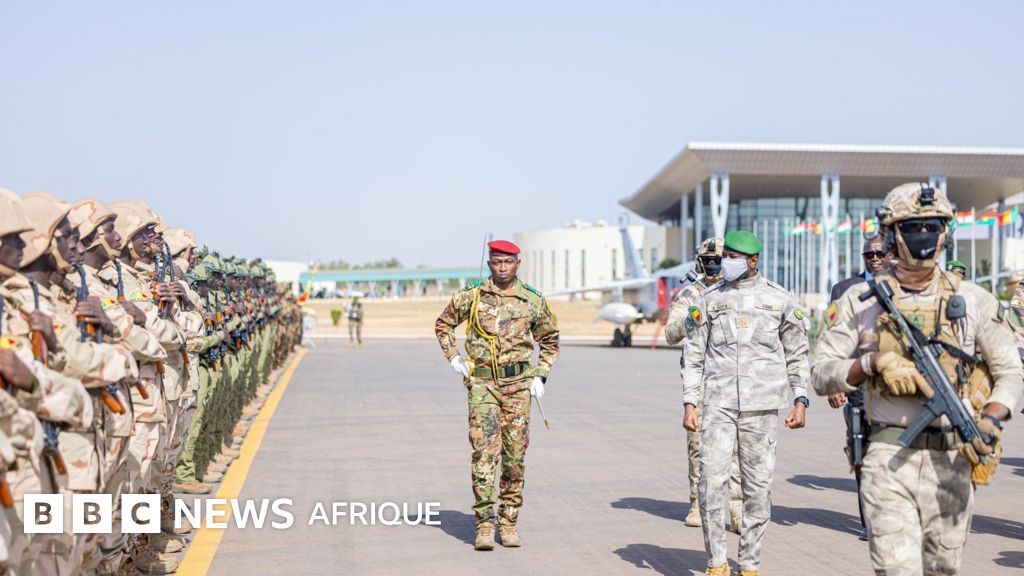
what is the unified force AES and why does it matter?
The unified force AES (FU-AES) represents a historic milestone in military cooperation between Mali, Burkina Faso, and Niger. Established to address escalating security challenges, this multinational force brings together 5,000 troops under the command of General Daouda Traoré from Burkina Faso.
The creation of this force follows years of cross-border attacks by armed groups and the growing threat of jihadist movements. By pooling resources and intelligence, the three nations aim to strengthen their collective defense capabilities and restore stability in a region plagued by insecurity.
key objectives of the unified force AES
The primary mission of the unified force AES is to combat terrorism and organized crime across the Sahel. However, its ambitions extend beyond military operations. The force seeks to:
- neutralize jihadist leaders and dismantle their operational structures
- secure vulnerable border areas prone to attacks and infiltration
- enhance intelligence sharing among member states
- coordinate joint military operations for greater impact
- protect civilian populations from armed groups and criminal networks
military achievements in the first year
Since its inception, the unified force AES has conducted major operations such as Yéréko I and Yéréko II, which resulted in the neutralization of several terrorist leaders and the destruction of their hideouts. These successes were made possible through improved coordination and shared intelligence between the armed forces of the three countries.
However, challenges remain. Armed groups continue to operate in the tri-border region, and threats like fuel blockades imposed by groups like JNIM demonstrate the ongoing vulnerability of these states.
how can the unified force AES succeed long-term?
For the unified force AES to achieve sustainable success, experts emphasize the need for a strategic approach that goes beyond tactical operations. Fiacre Vidjenagninou, a senior researcher at the Behanzin Institute in Cotonou and the Egmont Institute in Brussels, highlights critical factors for its effectiveness:
1. focusing on high-impact zones
Rather than spreading efforts thinly, the force should concentrate on areas where terrorist groups are most organized. A targeted approach ensures maximum impact with available resources.
2. implementing a rapid-response intelligence-action cycle
The force must adopt a collect-merge-strike methodology: gather intelligence, centralize it, execute targeted strikes swiftly, and maintain control over the territory. This approach prevents enemy groups from regrouping and restarting their activities.
3. securing and holding territory
Tactical strikes alone are insufficient. The force must establish a lasting presence in liberated areas by controlling key axes, protecting markets, and safeguarding villages. This builds trust with local populations and ensures long-term stability.
4. integrating governance and community engagement
A military force can win battles, but lasting peace requires governance. Addressing local conflicts, ensuring justice, and protecting civilians from exactions are essential to prevent the resurgence of violence.
Vidjenagninou warns: “A force may capture territory, but without minimal governance, it cannot achieve stabilization.”
challenges and the path forward
While the unified force AES is a significant political and strategic achievement, its success hinges on overcoming several hurdles:
- coordination and trust: expanding the force to include more countries could complicate decision-making due to differing interests and doctrines.
- sustainable funding: operating a multinational force requires consistent financial and logistical support.
- public trust: the force must demonstrate tangible results to gain the confidence of local populations.
Vidjenagninou suggests a phased approach: “First, prove the concept works with the three founding members. Then, gradually expand cooperation with neighboring countries through coordinated operations and cross-border pursuit agreements.”
the role of the AES summit in Bamako
The recent summit in Bamako served as a platform to evaluate progress, address challenges, and outline future strategies. Key discussions included:
- the operationalization of the FU-AES and its integration into regional defense frameworks
- the establishment of the Television of the AES, based in Bamako, and the Daandè Liptako radio station in Ouagadougou
- the launch of the Confederation Investment and Development Bank (BCID), with an initial capital of 500 billion CFA francs
- the appointment of a new president for the AES confederation
These initiatives underscore the commitment of the three nations to build a unified and resilient Sahel region.
historical context: the birth of the AES
The Alliance of Sahel States (AES), which evolved into a confederation in July 2024, was formed in response to geopolitical shifts in the region. Following coups in Mali (2020), Burkina Faso (2022), and Niger (2023), the three countries faced sanctions and threats of military intervention from the Economic Community of West African States (ECOWAS).
By forming the AES, these nations sought to assert their sovereignty and pursue alternative security and development paths. The unified force is a cornerstone of this vision, reflecting a commitment to mutual defense and regional cooperation.