why the us is prioritizing security ties with Sahel juntas over democracy
AFP via Getty Images
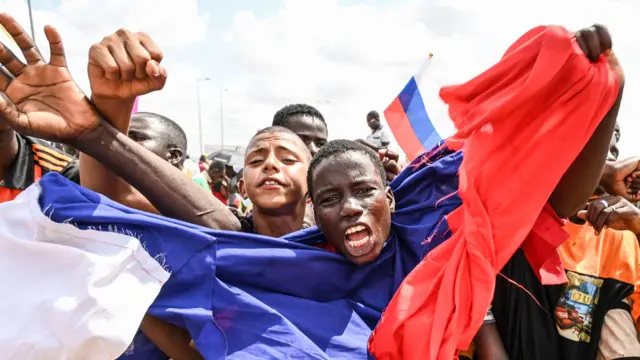
The United States is recalibrating its approach toward three West African nations—Burkina Faso, Mali, and Niger—that have recently pivoted away from traditional allies toward Russia. This strategic shift underscores Washington’s growing focus on counterterrorism and resource security in the Sahel region, even as these countries’ military-led governments face international criticism over democratic backsliding.
a new era of us engagement in the Sahel
In a significant policy reversal, the U.S. Department of State announced that Nick Checker, head of its Bureau of African Affairs, will visit Bamako to reaffirm American respect for Mali’s sovereignty and explore a “new path” in bilateral relations. This move signals a willingness to move beyond past political disagreements and prioritize shared security and economic interests with Burkina Faso and Niger.
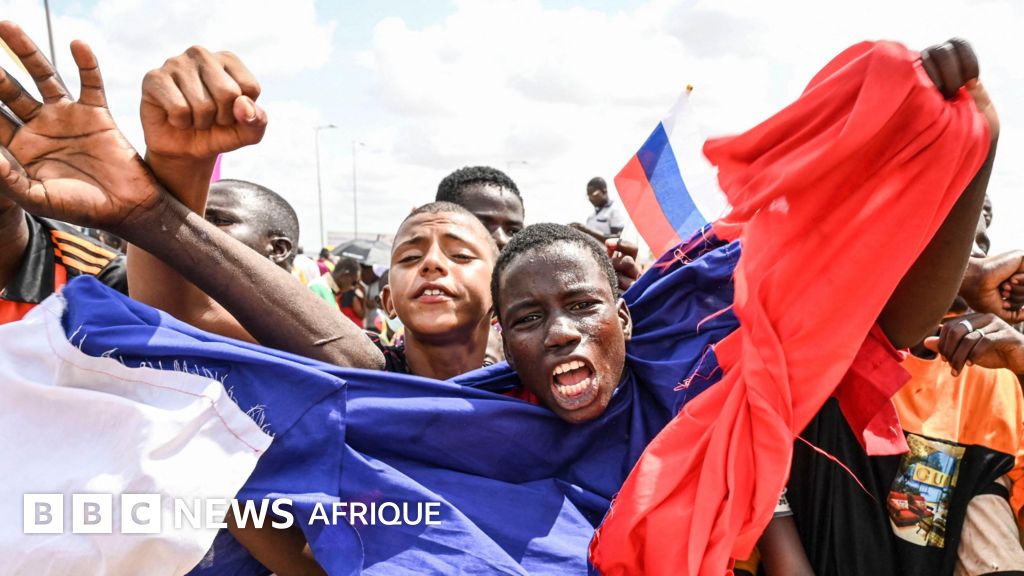
Notably absent from the agenda is the long-standing U.S. emphasis on democracy and human rights. Since military coups toppled elected leaders in these countries between 2020 and 2023—most recently in Niger, where President Mohamed Bazoum remains detained—the Biden administration had suspended military cooperation. However, the current White House stance suggests a pragmatic shift under the Trump administration’s influence.
security and resources drive us priorities
The U.S. strategy now centers on combating Islamist insurgencies that have destabilized the Sahel, a region stretching across the southern Sahara. With over half of global terrorism-related fatalities occurring here, the threat is no longer confined to local concerns. U.S. officials warn that ungoverned spaces could become havens for terrorist groups like the Islamic State in the Greater Sahara (ISGS), which operates along the “tri-border” region shared by Mali, Burkina Faso, and Niger.
Beyond security, Washington is concerned about protecting critical mineral supplies. The Sahel is rich in gold, and Niger holds Africa’s second-largest uranium reserves—vital for nuclear energy and defense. After seizing control of a key uranium mine from French operator Orano, Niger’s junta is now considering partnering with Russia in the sector. The U.S. aims to counterbalance Moscow’s growing influence while ensuring continued access to these resources.
balancing Russia’s expanding footprint
Moscow has strengthened its ties with the Sahel juntas through military support, including around 1,000 private security contractors in Mali and smaller contingents in Burkina Faso and Niger. While allegations of human rights abuses persist, the U.S. appears less concerned about Russia’s role than its European allies or the ECOWAS regional bloc. Instead, Washington seeks to offer an alternative partnership without committing ground troops—focusing on intelligence sharing, potential arms supplies, and training.
navigating regional alliances
The three juntas have distanced themselves from ECOWAS after withdrawing from the bloc last year, forming their own Alliance of Sahel States (AES). This exit removed diplomatic pressure to restore civilian rule, allowing neighboring countries like Benin, Togo, Ghana, and Ivory Coast to explore pragmatic cooperation with the juntas to address shared security threats. The U.S. sees an opportunity to leverage its intelligence and logistical support to help these nations combat cross-border militant movements.
However, experts caution that military solutions alone cannot resolve the Sahel’s crises. As France’s decade-long deployment demonstrated, sustainable stability requires addressing deep-rooted socioeconomic and governance challenges in one of the world’s poorest regions.
what’s next for us-Sahel relations?
While the U.S. avoids reopening its drone base in Agadez—closed after Washington pressured Niger to restore democracy—it may provide enhanced security assistance. The focus remains on targeted interventions, such as intelligence support and limited arms transfers, to weaken militant groups like ISGS. Yet, without broader political and economic reforms, the long-term outlook for the Sahel remains uncertain.
As geopolitical rivalries intensify, the U.S. approach reflects a delicate balance: countering terrorism and resource competition while avoiding entanglement in local conflicts. Whether this strategy can deliver lasting stability in the Sahel will depend on both military effectiveness and Washington’s willingness to engage beyond security concerns.