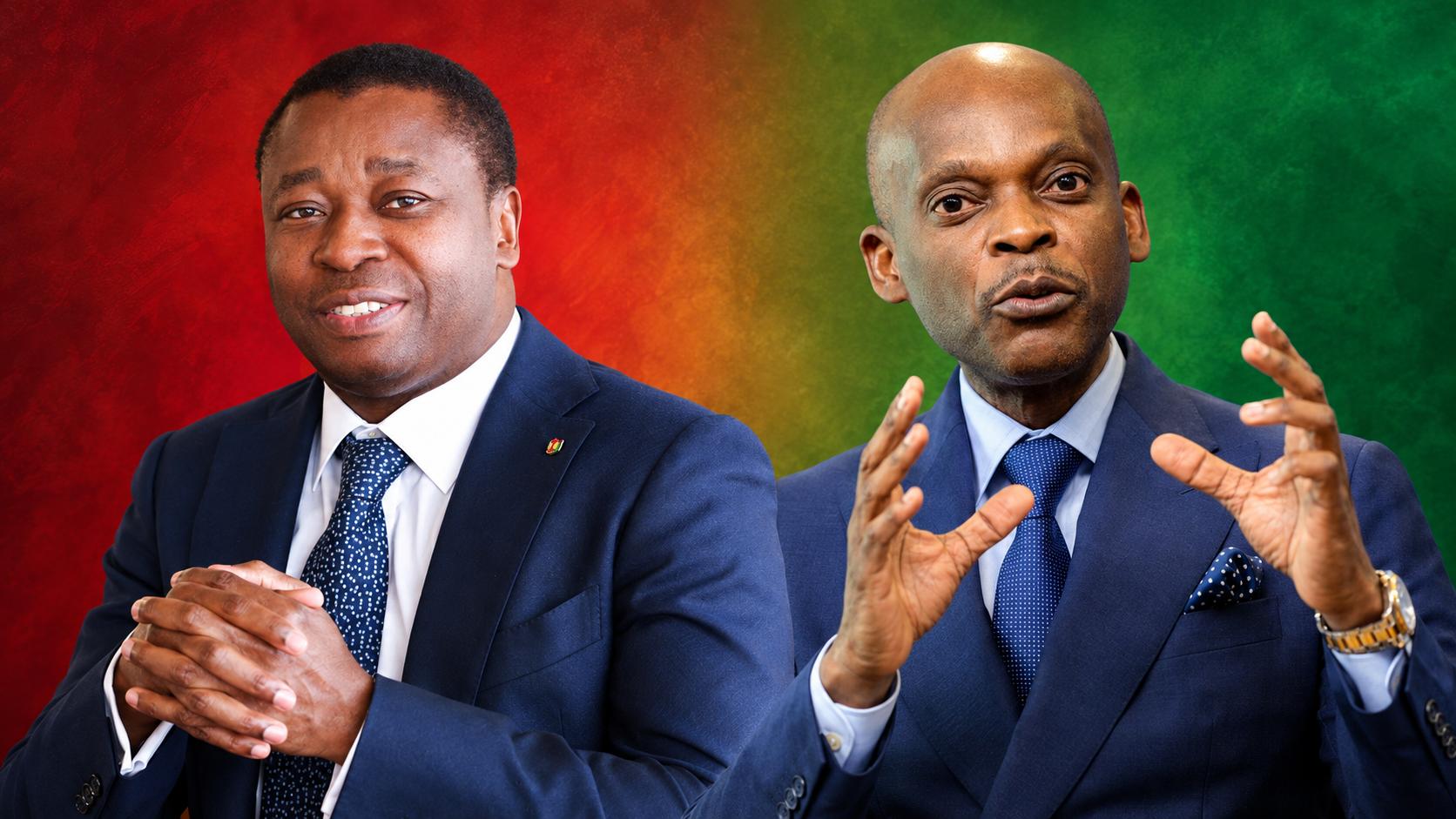
While citizens in Togo struggle with a suffocating economic crisis and skyrocketing living costs, the government’s lavish spending on international prestige has ignited public fury. Investigations into sovereignty budgets and foreign influence contracts reveal that lobbying, voting, and promoting the “new map of Africa” at the United Nations cost Togolese taxpayers an estimated 2 million US dollars.
For months, the Togolese foreign ministry directed intense energy toward championing this cartographic initiative. Yet, behind the triumphant announcements celebrating the international influence of Togo, the financial reality of the campaign shows a massive consumption of public funds for a purely symbolic achievement.
Breaking down the diplomatic bills
Where did these 2 million dollars from the public treasury go? An examination of diplomatic and logistical operations reveals exactly how these state resources were allocated:
- International lobbying and strategic consulting firms: To place this resolution on the UN General Assembly agenda and gain support from Western and Asian governments, Lomé hired specialized influence firms in corporate diplomacy and crisis communication. The state employed public relations agencies based in Paris, which typically serve African presidencies, as well as American lobbying firms in Washington D.C. registered under the Foreign Agents Registration Act (FARA) to introduce Togolese diplomats to English-speaking policymakers. These strategic consulting fees were paid in foreign currencies, totaling hundreds of thousands of dollars.
- Diplomatic tours by Robert Dussey: The Minister of Foreign Affairs engaged in numerous first-class trips and luxury hotel stays in New York, Paris, Geneva, and various African capitals to conduct personal lobbying. Chartered flights, high per diems, and representation costs for official delegations made up a massive portion of the expenses.
- Showy receptions and support-building events: Official banquets, diplomatic gifts, and fully funded accommodation for international experts and delegates during preparatory sessions caused secondary expenses to skyrocket.
- Public relations agencies and media campaigns: Funding targeted media outreach, publishing sponsored opinion pieces, and organizing academic conferences to validate the cartographic initiative.
Ignoring urgent social needs for international image
Civil society advocates and economic analysts argue that wasting such financial resources is indefensible given the country’s domestic realities. This 2 million dollar sum, equivalent to over one billion CFA francs, could have been used to supply basic medical equipment to hospitals in Kara, Dapaong, or Adetikopé, construct new classrooms, or fund relief programs for vulnerable households.
By prioritizing vanity operations and expensive foreign consulting firms over the essential needs of its population, the Togolese leadership highlights a massive disconnect between its desire for global prestige and the daily survival of the Togolese people.