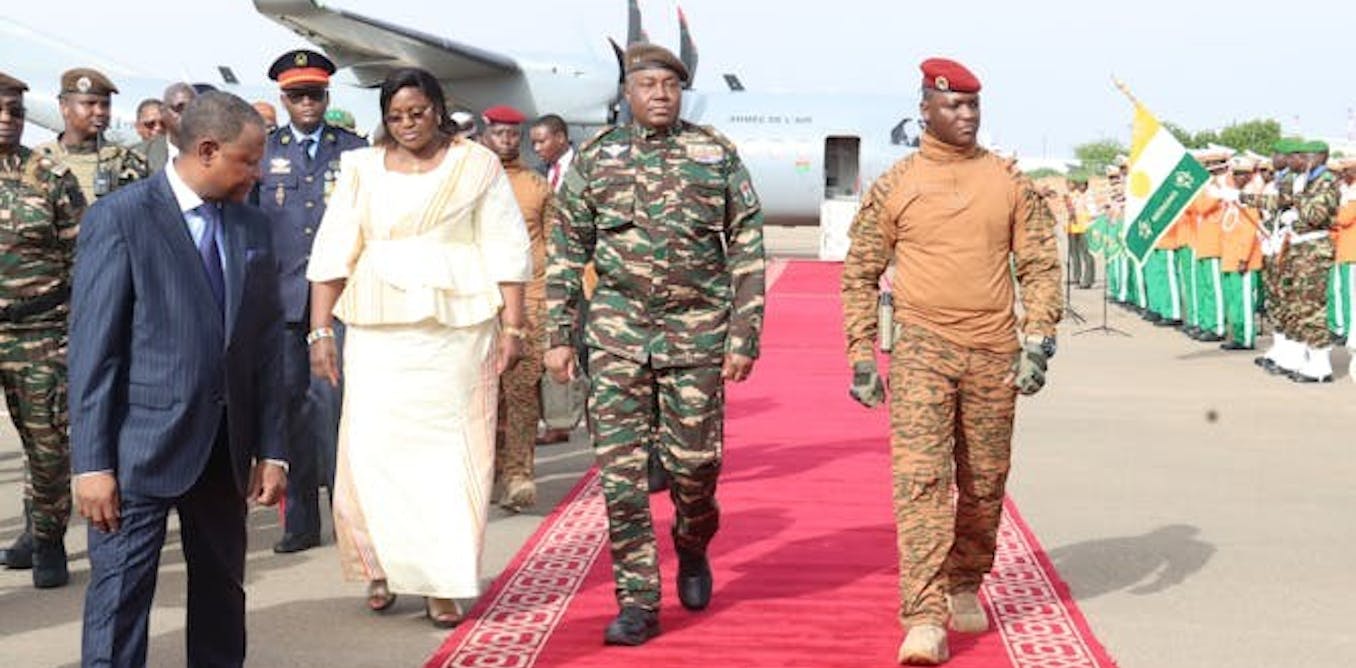
The closing days of January 2026 signaled the definitive end of organized political pluralism in Burkina Faso. On January 29, the administration led by Captain Ibrahim Traoré officially disbanded every political party in the nation, including the very groups that had championed his rise to power during the September 2022 coup.
While political activities had been on hold since Traoré took the reins, the junta described this latest decree as a vital “restructuring” of the state intended to heal national fractures. This Burkina government news reflects a growing trend of power consolidation in the region.
In practical terms, this decision erases the remaining avenues for independent civic engagement and centralizes total authority under Traoré. Furthermore, the state has moved to confiscate all assets belonging to the dissolved organizations. For those following Ouagadougou news, this represents a significant shift in the country’s internal landscape.
Although the military rulers initially enjoyed vibrant civilian support, this crackdown seems at odds with their previous promises of popular mobilization and national rebirth. Yet, for those tracking Faso news today, such a development was largely foreseeable.
Across the Sahel and various parts of the continent, civilian advocates for military intervention are finding that their early enthusiasm rarely leads to long-term political sway. Coups that launch with the blessing of the masses frequently conclude with the junta marginalizing or actively silencing the same groups that helped solidify their initial control. This is a historical pattern that has persisted for decades.
Extensive academic study of military takeovers, particularly the recent surge of coups in Africa, highlights a recurring theme: once in control, military figures have little incentive to share the spotlight. Civilian groups are often used as tools during the first days of a takeover to provide crowds and a facade of legitimacy, making the coup appear as a response to public outcry.
However, these allies soon become liabilities. They possess their own leadership structures, loyal constituencies, and specific demands for a return to constitutional order. They are prone to criticizing delays or organizing their own followers—an independence that juntas find threatening. This Burkina Faso English report clarifies that initial civilian fervor should never be mistaken for a permanent seat at the table.
The myth of lasting influence for civilian supporters
Contrary to the idea that coups are purely military affairs, these takeovers often draw support from specific segments of the population. In many instances, civilians actively invite military interference, viewing it as a solution to political stagnation.
This was clearly seen in the latest Ouaga latest news cycles regarding the Sahel. From Mali to Niger, military actions were met with celebrations by civil society groups and political factions. For the putschists, these partnerships offer immediate visibility and a ready-made support base.
Yet, a secondary pattern is just as prevalent. While civilian groups expect to maintain a voice in the post-coup era, juntas regularly push their former partners to the fringes or subject them to outright repression.
History is full of such examples. Following the 1969 coup in Sudan, the Communist Party backed Colonel Jaafar Nimeiri. Within months, Nimeiri began purging them from the government, eventually destroying the party through a violent crackdown in 1971.
A similar story unfolded after the 2013 coup in Egypt. The Tamarod protest movement gave its blessing to General Abdelfattah el-Sisi’s takeover, only to see their influence vanish as the military tightened its grip on the country.
Disillusionment among Sahelian coup advocates
Today, many civilian entities that cheered for recent takeovers in the Sahel are facing the same harsh reality as their predecessors. In Mali, the M5-RFP coalition—which included opposition parties and religious figures like Mahmoud Dicko—has become a harsh critic of Colonel Assimi Goïta.
This group was originally the loudest supporter of the August 2020 intervention against Ibrahim Boubacar Keïta. However, the military junta quickly sidelined the M5-RFP during the transition. When Goïta launched another coup in 2021, the movement’s influence was effectively neutralized.
The 2021 coup in Guinea followed a nearly identical script. Opponents of Alpha Condé initially praised General Mamady Doumbouya, lobbying international bodies like CEDEAO to avoid sanctions in hopes of leading the transition. Instead, the junta excluded them from power, later arresting party members who dared to protest.
The recent dissolution of parties in Burkina Faso is simply the latest chapter in this historical narrative. It serves as a stark reminder that political support from outside the barracks rarely translates into lasting authority once the military has established its rule.