How African leaders are turning Paris into a stage for real policy impact
The 2026 Paris Peace Forum arrives at a critical moment. As geopolitical tensions escalate and economic rivalries intensify, African nations are leveraging this high-profile platform to advocate for solutions that address their pressing national and regional priorities. The participation of Senegal and Benin underscores Africa’s growing ambition to move beyond mere dialogue and secure tangible influence over global decision-making processes.
The Senegalese president’s strategic Paris agenda: security, sovereignty, and development
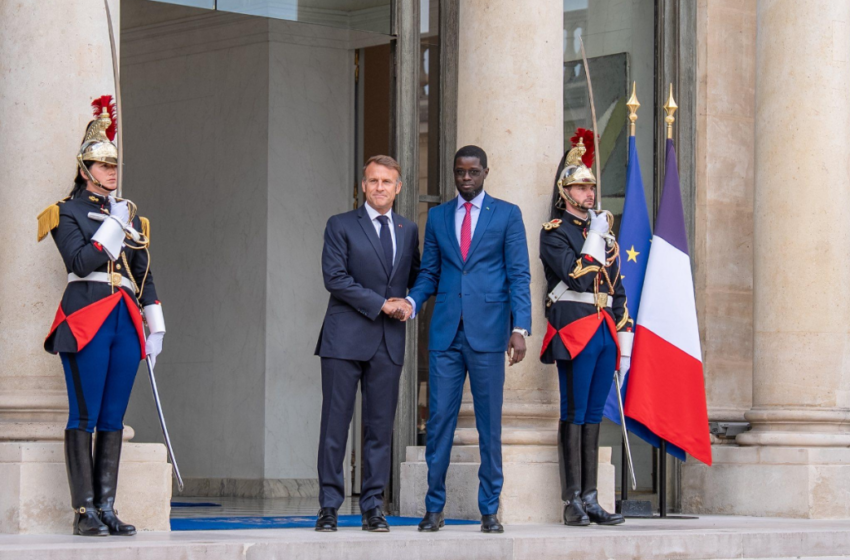
Senegal’s engagement at the forum is spearheaded by President Bassirou Diomaye Faye, who met with French President Emmanuel Macron ahead of the opening. This bilateral meeting signals Dakar’s commitment to reinforcing its diplomatic leverage while defending a vision of international cooperation rooted in mutual respect and African strategic interests.
Faye’s agenda reflects multifaceted priorities. At the top of the list is security in West Africa and the Sahel, where fragile states face growing threats from terrorism and armed groups. Senegal is pushing for coordinated regional responses that prioritize long-term stabilization over short-term interventions. Equally urgent is Senegal’s call for reform in global governance institutions. Dakar insists that African nations must have a stronger voice in shaping development financing, crisis management, and multilateral decision-making mechanisms.
The stakes are clear: Senegal doesn’t just want to be consulted—it wants to help design the solutions that will define Africa’s future on the continent and beyond.
Benin’s digital sovereignty push: how AI and tech could redefine African economic independence
While Senegal focuses on geopolitical positioning, Benin brings a forward-looking technological dimension to the forum. Represented by Digital Transformation and Innovation Minister Mahuna Akplogan, Benin is championing the idea that sovereignty in the 21st century is inseparable from technological autonomy.
The country’s national AI strategy represents a bold step toward reducing dependency on foreign tech infrastructures and data systems. By investing in homegrown digital solutions—from governance platforms to industrial automation—Africa can build resilient economies that are less vulnerable to external pressures. At the forum, Benin is advocating for global regulatory frameworks that support equitable access to emerging technologies, ensuring that innovation benefits all nations, not just the traditional powers.
This tech-first approach reflects a broader continental shift: Africa is no longer content to adopt solutions designed elsewhere. It is asserting its right to lead in areas where it has unique advantages, including talent, resource access, and demographic potential.
The global forum’s unexpected African influence: a turning point for multilateralism
The Paris Peace Forum has evolved into a genuinely multipolar space, with heads of state from across Africa, Asia, Europe, and the Americas converging to address shared challenges. The 2026 edition is no exception. Leaders from France, Senegal, Lithuania, Timor-Leste, Slovakia, and beyond are taking part, signaling that the forum has moved beyond a Western-centric platform and now reflects global realities.
But what makes this year distinctive is the proactive role of African delegations—not just as observers, but as agenda setters. From climate adaptation funding to digital rights, African priorities are increasingly shaping the agenda. This shift is not accidental. It is the result of years of strategic diplomacy by nations like Senegal and Benin, which are now translating vocal advocacy into visible policy influence.
From dialogue to action: what Senegal and Benin expect from Paris
The real measure of success will not be how many speeches were made, but how many commitments translate into concrete outcomes. Senegal seeks to advance partnerships on security, trade, and energy transition, with a focus on projects that deliver measurable benefits to West African citizens. Benin, meanwhile, aims to secure international allies in its push for digital infrastructure investment and AI workforce development. Both countries are calling for a new model of international cooperation—one that equitably redistributes power, technology, and opportunity.
As the forum concludes, one thing is evident: Africa is no longer waiting to be invited to the table of global governance. It is building its own seats, inviting the world to share them, and demanding that the future of peace, prosperity, and sovereignty be written in collaboration with African voices and visions.
Key takeaways from the Senegalese and Beninese delegations
- Senegal: Securing stronger African representation in key decision-making bodies, particularly in security and development financing.
- Senegal: Advocating for a Sahel stabilization strategy rooted in regional cooperation, not unilateral interventions.
- Benin: Promoting global AI governance standards that prevent digital monopolies and ensure fair access to technology.
- Benin: Pioneering public-private partnerships to fund digital public infrastructure and upskill African tech talent.
- Both: Pushing for a new era of international cooperation based on mutual respect, shared sovereignty, and inclusive economic growth.