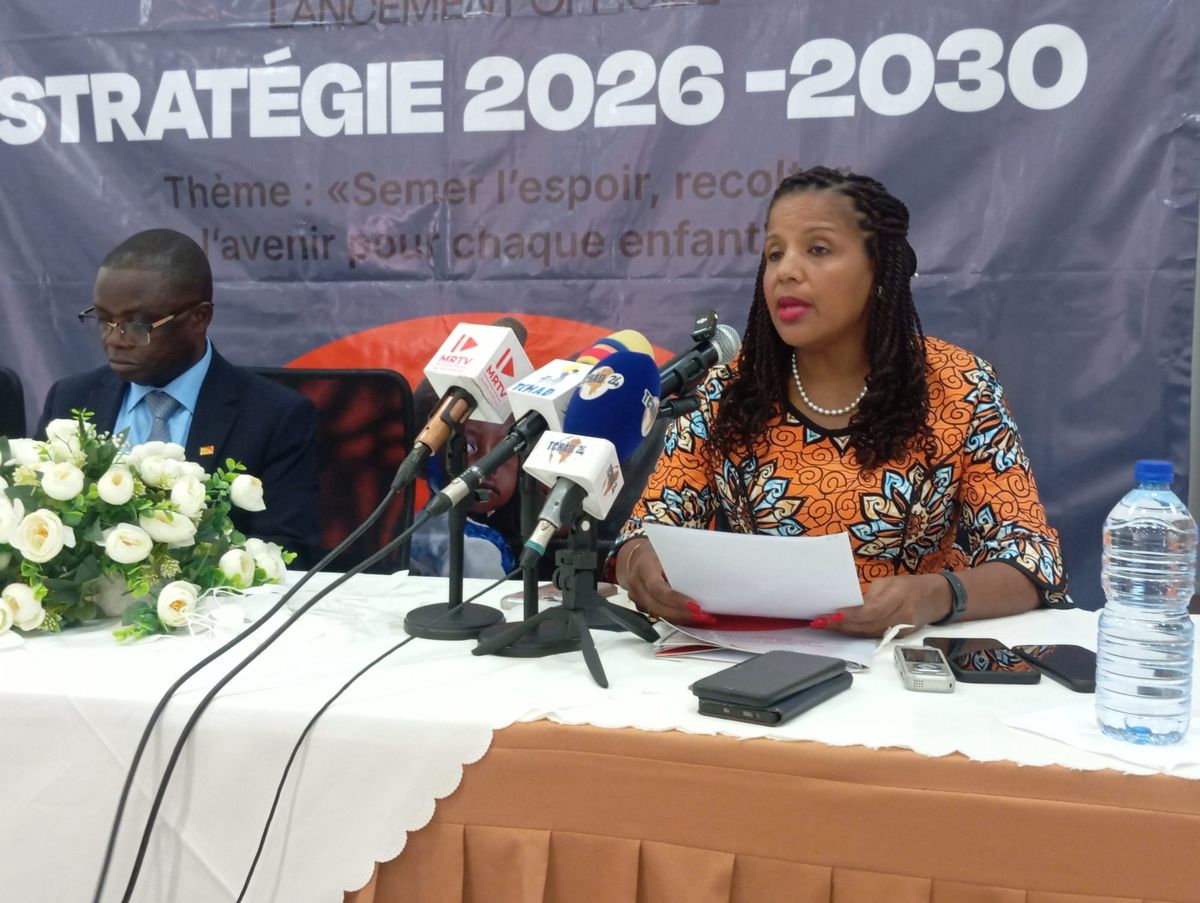
World Vision Tchad has rolled out its ambitious 2026-2030 national strategy, marking a significant step forward in transforming the lives of the nation’s youngest citizens. The initiative, unveiled during a high-profile press conference in N’Djamena, sets out to directly impact 3.29 million children by the end of the decade, with a special focus on 3.09 million of the most at-risk youth. This transformative plan integrates humanitarian aid, sustainable development, and peacebuilding efforts into a unified framework designed to address the country’s most pressing challenges.
a comprehensive roadmap for children’s futures
The newly launched strategy prioritizes critical sectors such as health, nutrition, education, child protection, and climate resilience. Each intervention is carefully structured to ensure long-term sustainability while responding to urgent humanitarian needs. The approach aligns with international development benchmarks, including the African Union’s Agenda 2063 and the Sustainable Development Goals (SDGs)—particularly targets 1, 2, 3, 4, 5, 6, 13, and 16—while also supporting the Tchad Vision 2030 national development agenda.
community-driven action and cultural integration
During the launch event, Carla Dominique Denizard, World Vision’s Regional Director for West Africa, emphasized the organization’s commitment to an integrated Humanitarian-Development-Peace Nexus approach. This model connects emergency response with long-term development and peacebuilding efforts, ensuring that interventions are both immediate and sustainable. Denizard highlighted the importance of leveraging local cultural and spiritual values to create meaningful, lasting change. “Every child in Tchad deserves a life of abundance,” she stated, underscoring the need for strong partnerships, grassroots mobilization, and community ownership.
addressing Tchad’s most urgent challenges
World Vision Tchad’s National Director, Édouard Ngoy Wangoy, described the strategy launch as a “historic milestone” for the organization and for the country’s children. He noted that this plan represents a 20% increase in ambition compared to previous cycles, reflecting a bold commitment to scale up impact. “Our goal is clear: to ensure that every child in Tchad not only survives but thrives,” he explained. He also pointed to the country’s persistent struggles with deep-rooted poverty, widespread malnutrition, recurring humanitarian crises, and the escalating effects of climate change—challenges that disproportionately affect the most vulnerable populations.
Nearly 42% of Tchad’s population lives below the poverty line, according to internal data shared during the event. This stark reality underscores the urgent need for targeted interventions that combine immediate relief with systemic change. The 2026-2030 strategy zeroes in on key priorities, including integrated nutrition and health programs with a strong focus on maternal and child health, the expansion of the Unlock Literacy initiative to strengthen early-grade reading skills, and robust child protection measures to shield youth from violence and exploitation. Additionally, the plan prioritizes building community resilience against climate-related shocks, recognizing that environmental degradation is a growing threat to stability and development.
a call for unified collaboration
In closing, World Vision Tchad’s leadership issued a powerful appeal to national stakeholders. They urged government authorities, technical and financial partners, civil society organizations, religious and community leaders, and media outlets to join forces in supporting the strategy’s implementation. “Collective action is not optional—it is essential,” the team emphasized. By aligning efforts across sectors, they believe Tchad can turn current challenges into sustainable opportunities for its children, ensuring a future where every young citizen is safe, nourished, educated, and empowered to reach their full potential.