Had the initial forty-five minutes of the World Cup semifinal clash between England and Argentina been the entirety of the match, few would have contested the outcome. However, there would have been virtually nothing noteworthy to recount from that period. Across the first half, including three minutes of added time, both national teams managed a combined total of merely three shots, none of which were on target, culminating in a dismal joint Expected Goals (xG) figure of just 0.08.
Argentina maintained 56% of ball possession, yet this control primarily manifested as safe ball circulation. They boasted a 90% pass completion rate, but this translated into only two shots on goal and a complete absence of genuine attacking spark within England’s penalty area.
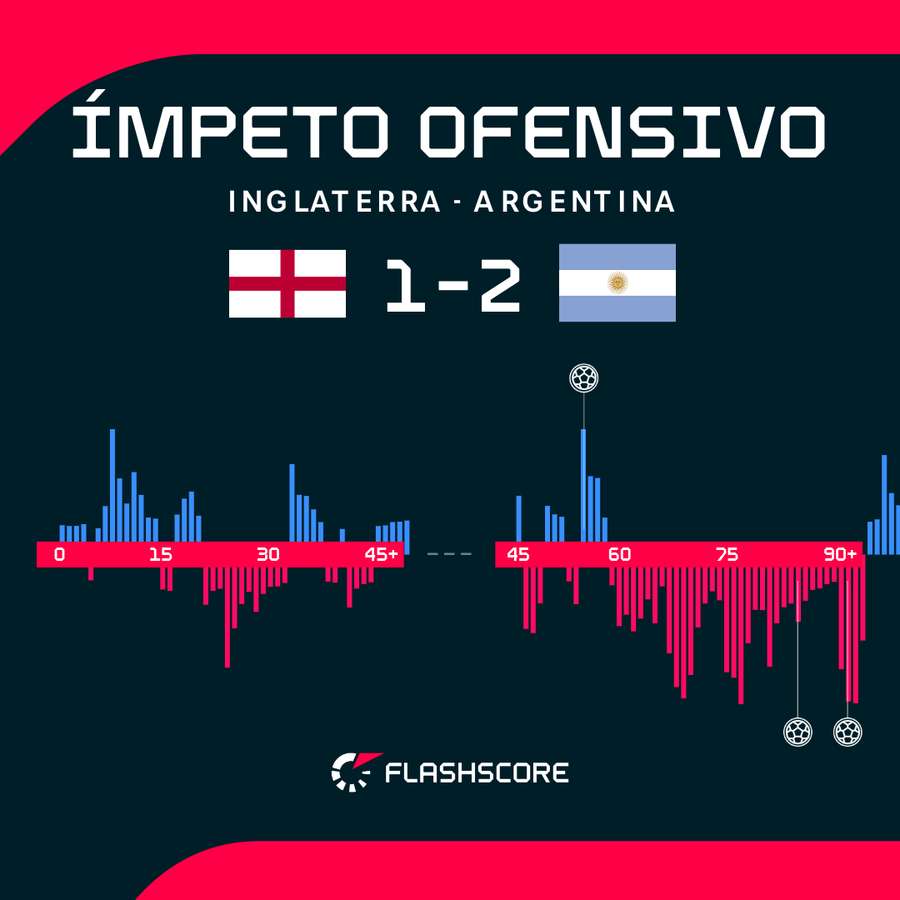
The second half, however, unveiled an entirely different encounter. A staggering 17 shots were registered in total – more than five times the volume of the opening period – with Argentina alone accounting for 13 of them. The Albiceleste significantly boosted their xG to 1.81 during these final 45 minutes, effectively generating almost their entire match total (1.84 overall) in that period.
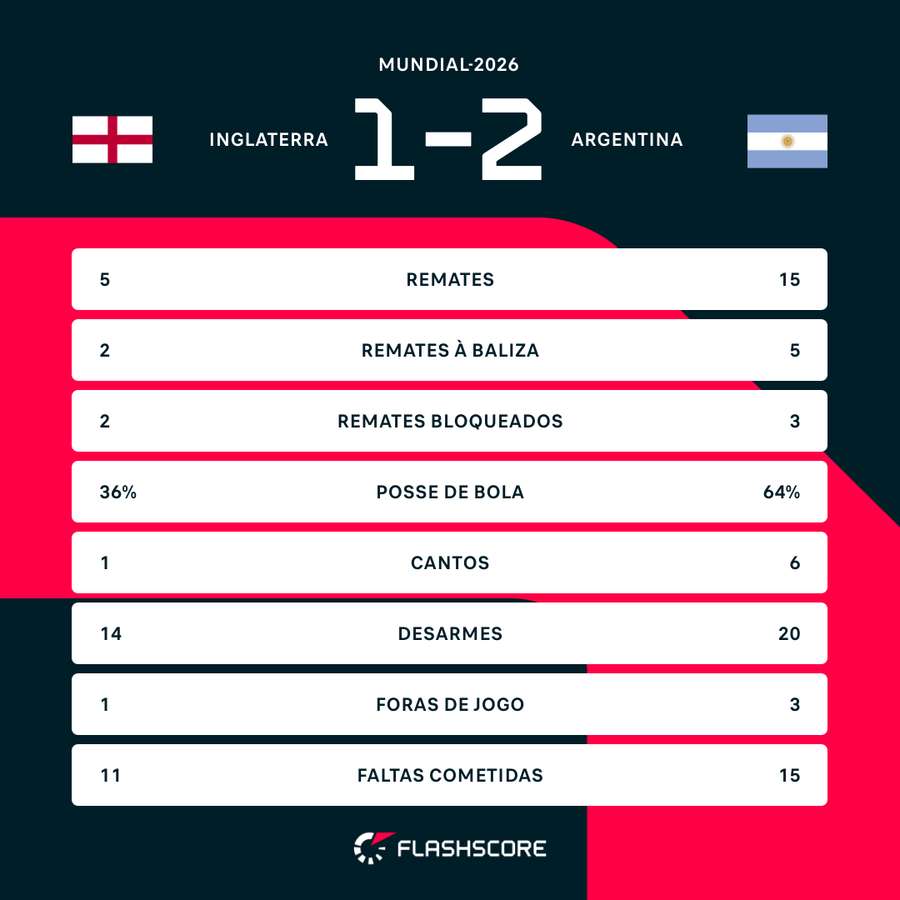
Argentina’s possession soared from 56% to a commanding 73%, and their passing accuracy in the final third became even more precise, achieving an 89% success rate compared to 74% in the first half. This dramatic transformation was no accident; it was a direct consequence of the contrasting tactical approaches adopted by both teams.
After Anthony Gordon opened the scoring for England in the 54th minute, the English side opted to manage their slender lead rather than aggressively pursue an extension of it. In practical terms, this meant a significant withdrawal of their defensive lines. Manager Thomas Tuchel’s substitutions underscored this strategy: he introduced Ezri Konsa, Dan Burn, and Nico O’Reilly, all players with distinctly defensive profiles, which inevitably diminished the team’s ability to transition into attack.
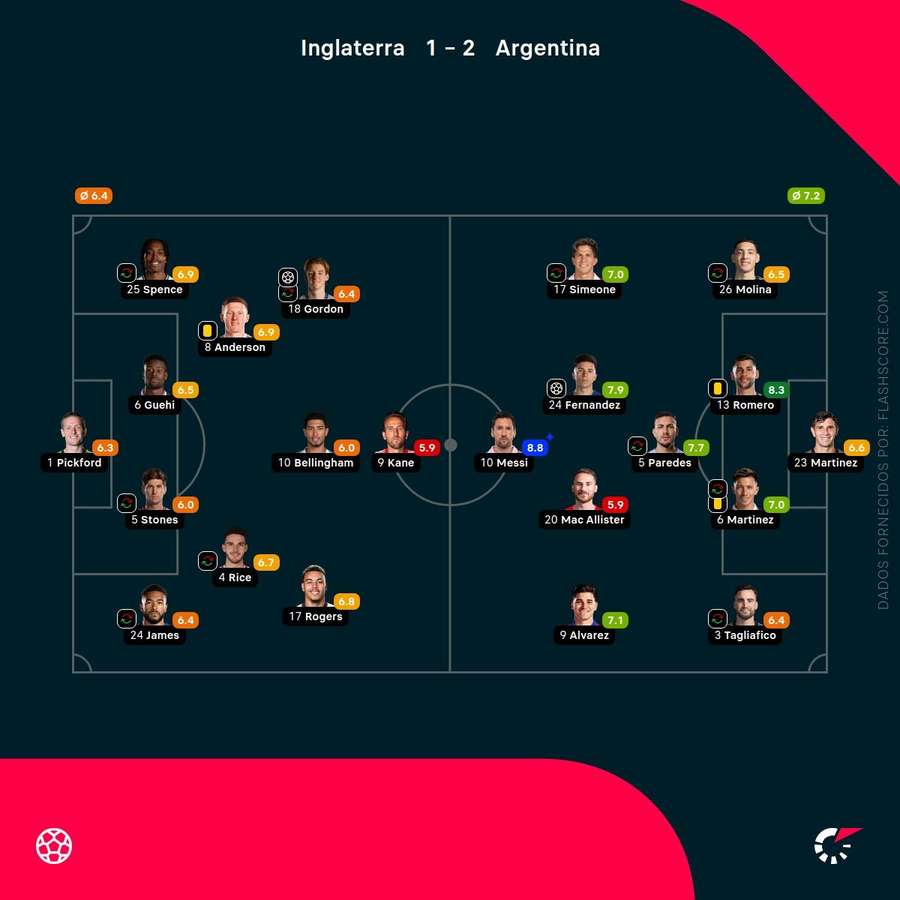
Conversely, Argentina’s approach was distinctly offensive. Coach Scaloni injected fresh impetus into his squad with unequivocally attacking choices such as Nico González, Gonzalo Montiel, Rodrigo De Paul, Nicolás Otamendi, and most notably, Lautaro Martínez, who entered the fray in the 81st minute and orchestrated the turnaround just eleven minutes later.
The outcome of this stark imbalance in intentions was a suffocating pressure that steadily intensified. Argentina ultimately converted their overwhelming domination into goals during the final quarter-hour: Enzo Fernández netted the equalizer in the 85th minute, and Lautaro Martínez completed the stunning comeback in the 90th+2 minute.
However, the path to victory had been evident for over half an hour, with an England side increasingly pinned back in their own territory and utterly incapable of defending the advantage Gordon had secured.
The match concluded with a 2-1 victory for Argentina, but the overall shot count (5 for England versus 15 for Argentina across the entire game), almost exclusively concentrated in Argentina’s one-sided second half, illustrates better than any other statistic why this dramatic turnaround eventually became inevitable.