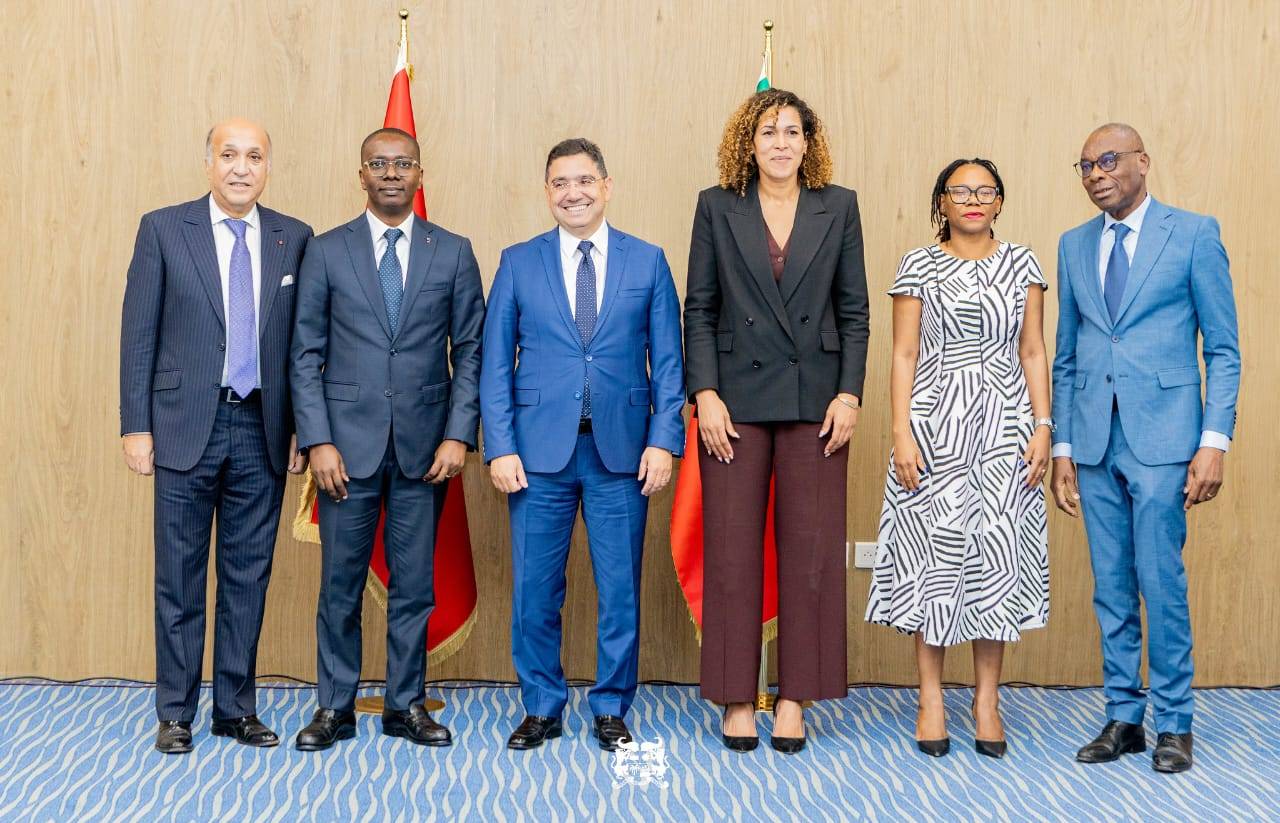
The Bénin and Morocco have taken a giant leap forward in their bilateral relations with the conclusion of the 7th session of the Mixed Commission for Cooperation in Cotonou. This landmark gathering not only underscored a renewed diplomatic momentum but also laid the foundation for a robust South-South partnership poised to reshape the economic landscape of West Africa.
A new chapter in Bénin-Morocco relations
The high-profile event, held in Cotonou, brought together key decision-makers from both nations, including Sèdami Medegan Fagla, Benin’s Minister of Higher Education, and a high-powered Moroccan delegation led by Nasser Bourita, the country’s Minister of Foreign Affairs, African Cooperation, and Moroccans Residing Abroad. The discussions reflected a deepening trust and alignment of strategic visions between the two governments.
Nasser Bourita praised Benin’s political maturity and President Romuald Wadagni‘s forward-thinking economic policies, emphasizing Morocco’s eagerness to position itself as a pivotal partner in Benin’s development journey. The tone set during the session was one of collaboration, ambition, and shared prosperity, setting the stage for transformative cooperation.
Economic synergy takes center stage
Beyond diplomatic niceties, the session zeroed in on tangible outcomes—value creation, financial attractiveness, and international trade enhancement. The global economic uncertainty has only reinforced the importance of South-South cooperation as a catalyst for growth. Hugues Oscar Lokossou, Benin’s Minister Delegate for External Resource Mobilization and Debt Management, articulated this vision:
« Our South-South cooperation model with Morocco isn’t just an abstract concept—it’s a practical solution to the shared aspirations of our peoples. By pooling our strengths, talents, and resources, we’re building a future of shared prosperity. »
The economic dividends of this partnership are expected to ripple across Benin’s entrepreneurial ecosystem. By fostering closer ties between financial institutions, easing market access, and streamlining business travel, the two nations are crafting an enabling environment for foreign direct investment. Morocco’s expertise in banking, port logistics, and agri-food industries presents a compelling complement to Benin’s economic modernization drive.
14 strategic agreements to redefine the future
The crowning achievement of the session was the signing of 14 comprehensive cooperation agreements, covering a wide spectrum of sectors. These legally binding commitments are set to modernize and expand the existing framework, making it one of the most robust bilateral arrangements in the region.
The agreements span multiple domains:
- Economic and trade sectors: Facilitating smoother trade flows, protecting investments, and encouraging joint ventures.
- Education and research: Boosting academic mobility through expanded scholarship programs and technical training initiatives.
- Security and culture: Strengthening collaboration in security, sports, and cultural exchanges to ensure holistic development.
A roadmap for tangible results
The momentum generated in Cotonou is already being translated into action. Corinne Amori Brunet, Benin’s Minister of Foreign Affairs for Afrodescendant Integration, stressed the urgency of converting these agreements into on-the-ground projects:
« We are not just here to sign papers—we are here to deliver results. I look forward to seeing these agreements come to life in the coming months. And yes, Rabat will be our next stop to advance these initiatives. »
The decision to hold the next meeting in Rabat signals a commitment to sustained collaboration. This partnership is no longer just rhetoric; it’s a structured roadmap with measurable outcomes expected in the short and medium term.
A blueprint for continental integration?
The Bénin–Morocco alliance serves as a compelling case study for pragmatic African integration. By balancing economic interests, security imperatives, and cultural exchange, the two nations are demonstrating that bilateral cooperation can deliver tangible benefits. As implementation begins, all eyes are on the first wave of financial and industrial dividends that this historic partnership is set to unleash.