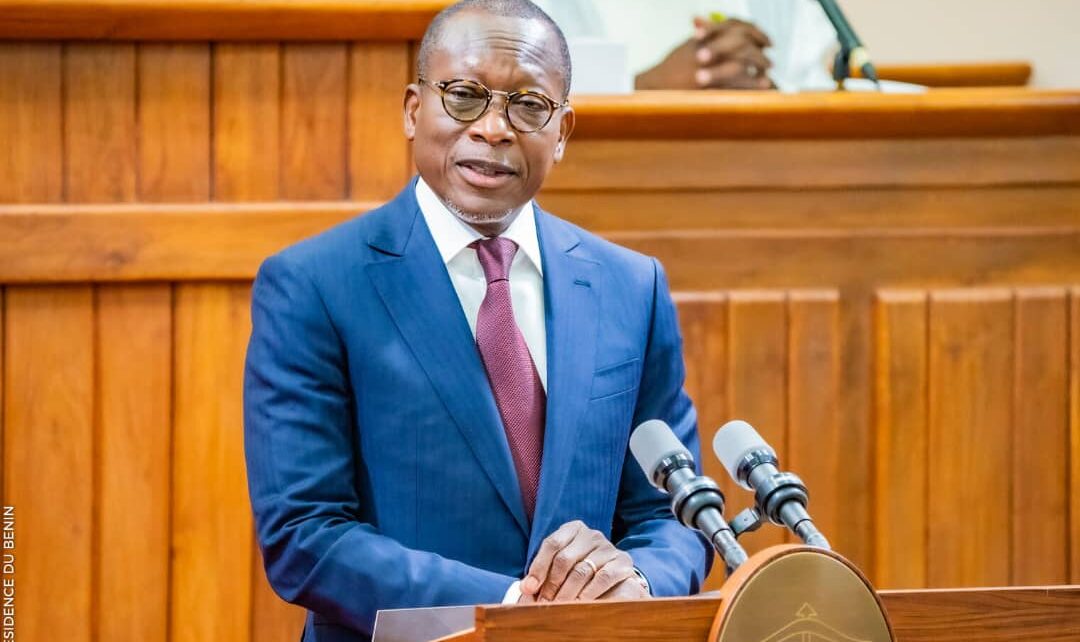
Bénin’s political landscape has witnessed a dramatic shift as Patrice Talon reclaims a central role in the country’s governance by securing the presidency of the Senate. Just days after handing over power to his successor, Romuald Wadagni, Talon’s election underscores the evolving dynamics of national leadership.
In a decisive vote during the inaugural session of Bénin’s newly restructured upper house, Talon was elected as the first-ever president of the Senate. The former head of state, whose tenure at the helm of the nation spanned a decade, now assumes the second-highest position in the country’s hierarchy under the revised constitutional framework.
From the presidency to the Senate
Patrice Talon’s ascension to the Senate presidency marks a strategic pivot in his political career. Observers had long anticipated his return to prominence, given his deep-rooted influence within the Nouveau Départ movement. The new Senate, born from constitutional reforms, serves as a critical institution for legislative oversight and governance.
A new phase in Bénin’s political evolution
With Talon at the helm of the Senate, the institution gains a seasoned leader with extensive executive experience. As the second-highest authority in the state, he is poised to play a pivotal role in shaping legislative agendas and monitoring government actions. His deep understanding of national priorities positions him to guide the Senate through its formative years, ensuring continuity and stability in Bénin’s democratic processes.
Implications for Bénin’s future
The Senate presidency under Talon’s leadership is expected to reinforce checks and balances within the government. His ability to bridge legislative and executive functions could redefine how policies are crafted and implemented, fostering a more collaborative political environment. As Bénin continues to navigate its post-transition phase, Talon’s role will be instrumental in maintaining the momentum of reform and progress.