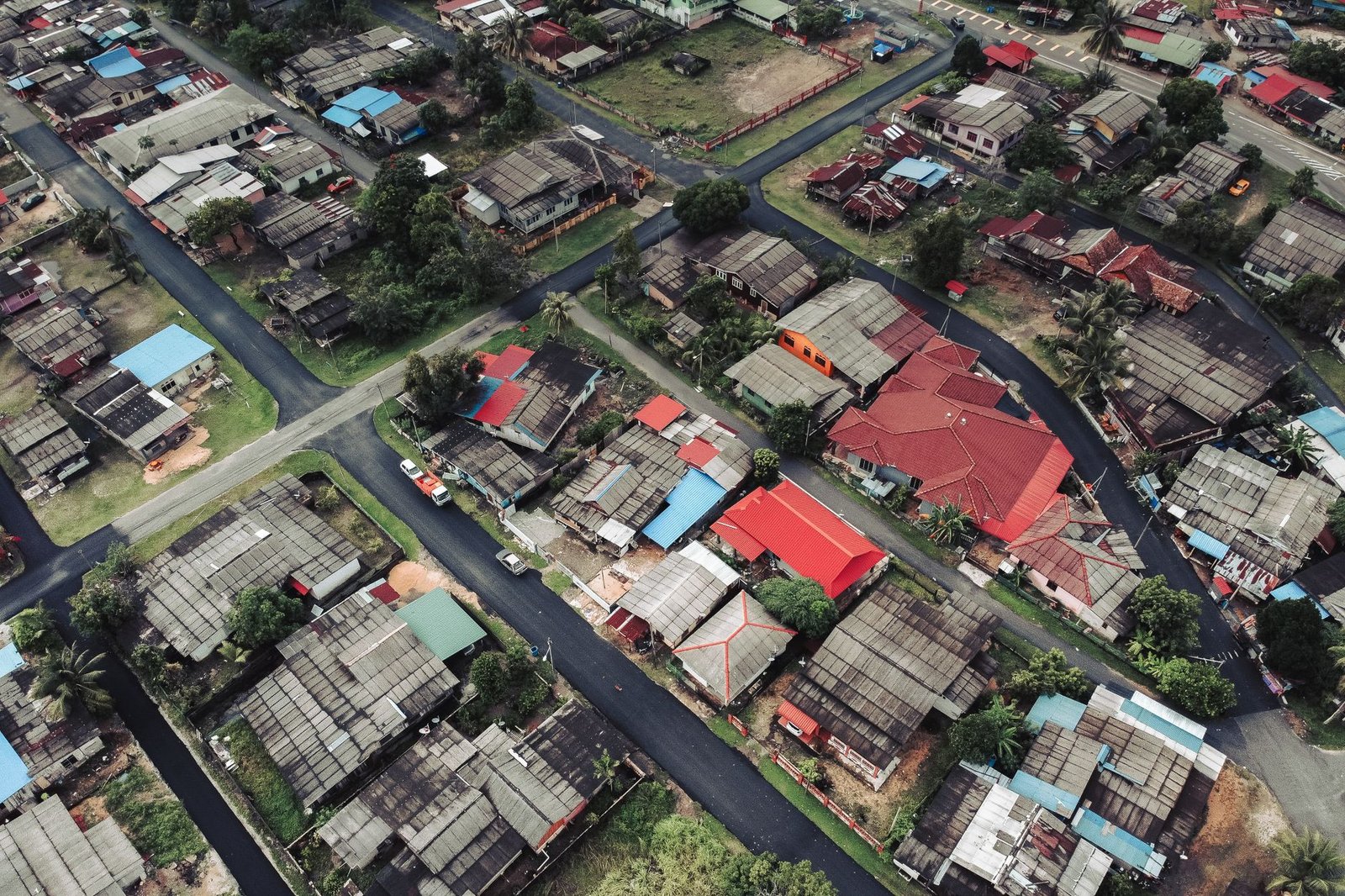
The fourth national recensement au Cameroun (population census) is currently experiencing significant turbulence. Originally slated to conclude on May 29, the comprehensive population and housing count has been extended by two months through a decree signed by Prime Minister Joseph Dion Ngute. Far from alleviating concerns, this decision has intensified criticism from various civil society organizations, which are highlighting major organizational shortcomings in a statistical exercise deemed vital for public policy formulation.
Philippe Nanga, coordinator of the non-governmental organization Un Monde Avenir, did not mince words, describing a “general cacophony” surrounding a process he considers paramount for national planning. The community leader particularly emphasized a telling example of the logistical disarray: in Douala, the nation’s economic hub, census agents reportedly abandoned their duties after just ten days in the field, having received no remuneration whatsoever.
A strategic statistical operation under pressure
For any nation, a census serves as the bedrock of public administration. It directly influences electoral redistricting, the allocation of budgetary resources to local authorities, the appropriate sizing of educational and healthcare infrastructure, and the credibility of macroeconomic projections. Cameroon, whose last official population count was conducted in 2005, has for several years been grappling with a lack of updated demographic data. Therefore, the stakes for this fourth edition extended far beyond a mere numerical update.
The two-month extension implicitly reveals the extent of the difficulties encountered on the ground. These challenges have mounted since the operation’s launch, including incomplete coverage of rural areas, delays in equipment delivery, and insufficient training for some enumerators. The social unrest triggered by agents in Douala further underscores a more fundamental fragility: that of the payment chain and human resource management for an undertaking of such magnitude.
Civil society monitors a crucial process
Through Un Monde Avenir, Philippe Nanga represents a segment of Cameroonian citizen organizations that rigorously scrutinize significant institutional processes. His public statements aim less at discrediting the operation and more at demanding accountability for its execution. Beneath the criticism lies a fundamental question: will the results generated under these conditions be statistically reliable and politically undeniable? This is not a trivial concern in a country where disputes over official figures, whether demographic or electoral, are recurrent.
The extension mandated by the Prime Minister’s office theoretically provides an opportunity for recovery. However, this hinges on adequate financial resources being made available. NGOs observing the process warn of the risk that a rushed operation could ultimately provide only a partial snapshot of the Cameroonian population. Moreover, international donors like the World Bank and the United Nations Population Fund (UNFPA), which traditionally support such exercises across the continent, are also closely monitoring the methodological rigor of national censuses.
A clear message to public authorities
Beyond the specific case of Cameroon, this debate highlights a common challenge faced by several Francophone African states: organizing comprehensive censuses within contexts marked by tight budgetary constraints, difficult-to-access territories, and security challenges in certain regions. Cameroon’s previous census in 2005 also experienced successive delays before its final results were published in 2010. Two decades later, the country still struggles to adhere to feasible timelines for its statistical operations.
Nevertheless, Philippe Nanga’s public intervention could significantly influence the public discourse as the extended deadline approaches. Authorities are expected to ensure transparency in the process, regularize outstanding payments owed to field agents, and communicate intermediate indicators. Failing this, the fourth census risks being remembered in Cameroonian administrative history more for its shortcomings than for its scientific contributions.