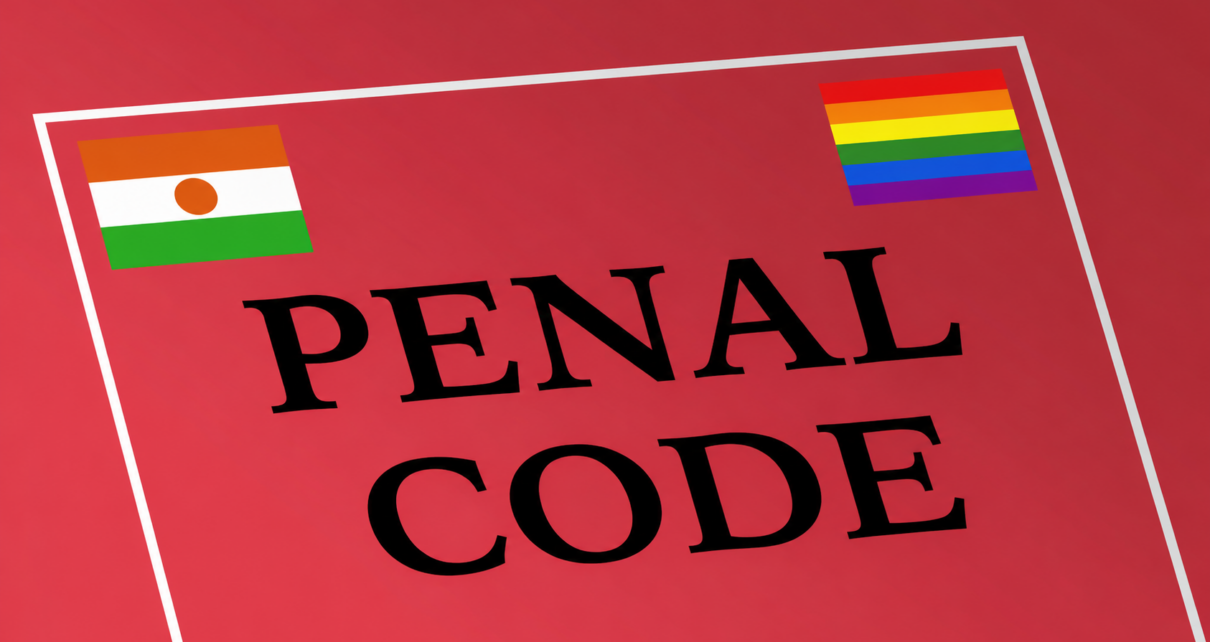
The Republic of Niger has enacted sweeping legal reforms that criminalize same-sex relationships and LGBTQIA+ activism, marking a significant departure from its previously ambiguous legal stance. The new Penal Code, quietly promulgated in February under military rule, introduces unprecedented penalties, including lengthy prison sentences and substantial fines.
Key provisions of the revised Penal Code
The legislation, now publicly accessible following its official publication, expands beyond mere prohibition to include a broad range of discriminatory measures:
- Core offenses: Individuals engaging in or attempting to commit “indecent or unnatural acts” or LGBTQIA+-related practices face imprisonment ranging from five to ten years.
- Aggravated penalties: In specific circumstances, sentences may escalate to a maximum of 20 years of imprisonment.
- Financial sanctions: Fines reaching up to 500 million West African CFA francs (approximately €750,000) are imposed, with no provisions for leniency or suspension.
- Targeting activism and support: The law criminalizes participation in or support for LGBTQIA+ organizations, including financing, management, or membership. Witnesses to same-sex marriages or unions are also liable under the same severe penalties.
Government rationale: sovereignty and cultural preservation
The military-led administration, under General Abdourahamane Tiani, frames the reforms as a defense of national values. Justice Minister Alio Daouda has defended the measures, stating:
« This legislation aligns our legal framework with the cultural and social values of Niger. »
The government’s stance reflects a broader sovereignist agenda, rejecting what it describes as foreign cultural impositions. This hardening of societal norms is not new; since 2024, authorities have removed sex education modules from school curricula and banned applications promoting reproductive health awareness, citing their incompatibility with the country’s predominantly Muslim and conservative society.
Regional wave of repression
The Nigerien initiative is part of a broader regional trend, as several West African nations have intensified legal crackdowns on LGBTQIA+ rights in recent years:
- Senegal (May 2026): Amendments to existing laws doubled prison sentences for “unnatural acts,” raising the maximum penalty to ten years.
- Burkina Faso (2025): Formalized criminalization of homosexuality, with a maximum sentence of five years in prison.
- Ghana (2024–2026): Following prolonged legislative debate, the country now imposes three to five-year prison terms for same-sex relations and related advocacy.
Human rights organizations sound the alarm
The enforcement of the new Penal Code has triggered widespread concern among human rights organizations, both locally and internationally. Advocates warn that the legislation exacerbates risks for an already marginalized community, including increased exposure to violence, false accusations, and extortion.
Humanitarian actors on the ground caution that the measures may further marginalize vulnerable populations, particularly in HIV prevention and healthcare access, pushing individuals into greater secrecy and denial of essential services. With over 30 African countries now criminalizing same-sex relationships, Niger’s alignment with the region’s most repressive legal frameworks underscores a growing trend of institutionalized discrimination.