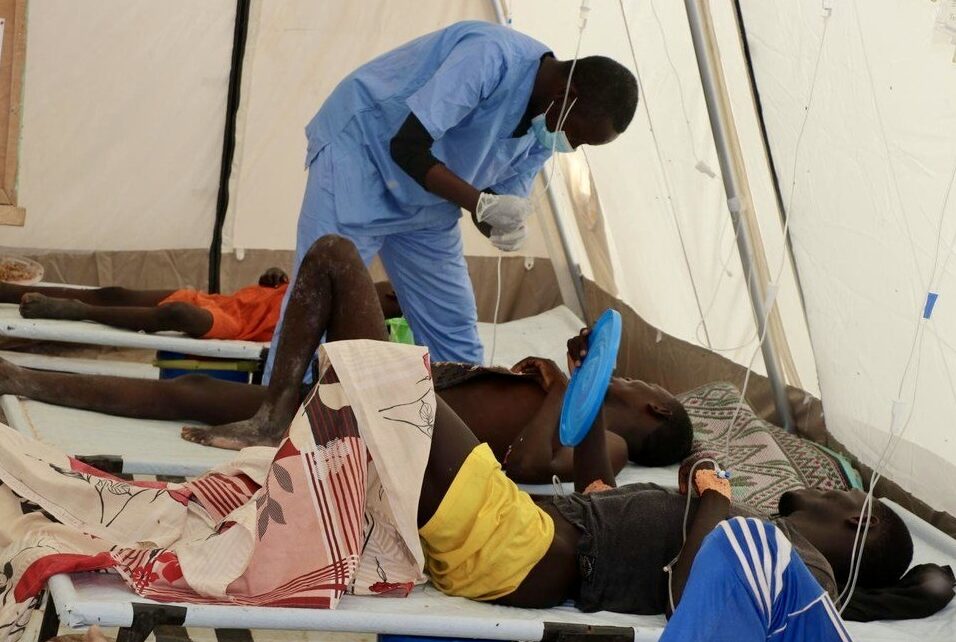
Cholera surge in Chad: N’Djamena faces alarming death toll
The cholera epidemic in Chad continues to escalate, with 320 confirmed cases and 15 fatalities reported by August 8. In just 72 hours, 52 new infections emerged, intensifying concerns across the nation. The capital, N’Djamena, now stands at the epicenter of this crisis, accounting for the highest mortality rate despite fewer cases than other regions.
Out of 92 recorded infections in N’Djamena, eight have resulted in death—a fatality rate of 8.7%, far exceeding the national average. Nationwide, the lethality rate has climbed to 4.7%, more than quadruple the 1% threshold considered manageable with proper healthcare intervention. Hadjer-Lamis province leads in case numbers with 168 infections and five deaths, while the Lac region reports 60 cases and two fatalities, reflecting lethality rates of 3% and 3.3% respectively. Laboratory tests further confirm the outbreak’s severity, with 56% of analyzed samples testing positive for Vibrio cholerae.
Demographic shift: younger victims dominate the crisis
Health authorities have identified a distressing trend: the median age of infected individuals is a mere 10 years. Over 80% of patients arrive with severe dehydration, a life-threatening complication requiring urgent care. With a national attack rate of 13.3 cases per 100,000 people, the outbreak’s rapid spread demands immediate attention.
Vaccination drive races against time
As of August 8, health teams have successfully vaccinated 143,367 people across high-risk zones, covering 89.1% of the targeted population. Yet critical challenges persist. Inadequate access to clean water, poor sanitation infrastructure, open defecation, and high population density in urban areas fuel transmission. In the Lac province, logistical hurdles hinder disease tracking, patient follow-ups, and public health interventions, further complicating containment efforts.
Public health measures to curb the spread
The Ministry of Public Health urges strict adherence to preventive measures: frequent handwashing with soap and clean water, drinking only boiled or treated water, and seeking immediate medical care at the first sign of acute diarrhea. Cholera, an acute intestinal infection, spreads through contaminated food or water. Without prompt treatment, severe dehydration can lead to fatal outcomes within hours.
With the outbreak showing no signs of abating, coordinated action among health authorities, communities, and international partners remains vital to curb further loss of life and restore stability in Chad’s most affected regions.