French military cooperation returns to Chad: Déby’s sovereignty at stake
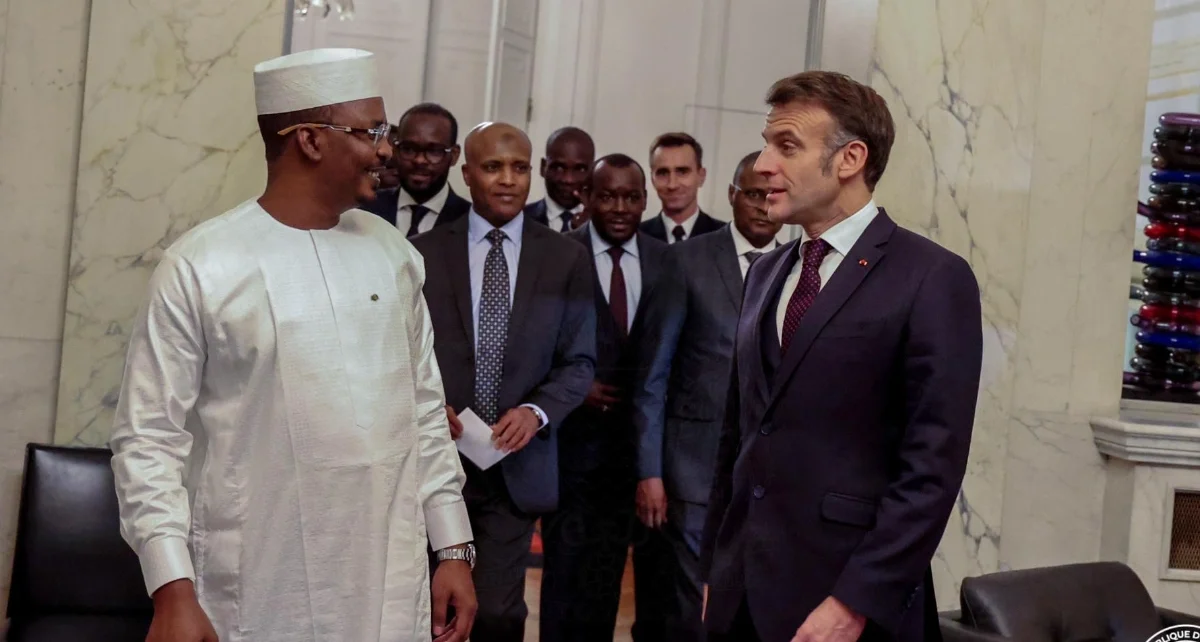
A recent analysis has sparked intense debate after revealing the return of several French military officers to N’Djamena in mid-April, reviving bilateral defense ties less than two years after France’s full withdrawal from Chad.
Military ties revived: what it means for Chad’s sovereignty
The announcement of renewed French military cooperation with Chad has reignited public debate. While Paris insists this is not a return to permanent bases, the mere resumption of joint operations and intelligence sharing raises serious questions about its impact on President Mahamat Idriss Déby Itno’s credibility and the nationalist stance he has championed since taking office.
From withdrawal to rapprochement: a strategic about-face
Following France’s complete military departure in 2024, President Déby framed the move as a triumph of national sovereignty and a step toward strategic independence. He positioned it as part of a broader push for self-reliance, aligning with the growing panafricanist momentum sweeping across the continent. Yet the return of French officers—even in a limited capacity—risks undermining that narrative, especially since public pressure and the perceived failure of foreign troop presence were key justifications for their removal.
Regional perception at risk
Over the past two years, Chad has burnished its image as a regional security leader, relying on partnerships with neighbors and diversified international alliances. Déby has also positioned himself as a key mediator in Sahel stabilization efforts. Analysts warn that renewed reliance on French intelligence could erode this reputation, signaling that N’Djamena still depends on its former colonial power despite calls for autonomy.
The decision to expel French forces was widely seen as a popular victory against foreign interference. Any perceived backsliding could fuel public discontent, particularly among those who viewed the withdrawal as an irreversible achievement of sovereignty.
France’s shifting stance: from critic to partner
This new chapter comes amid a complex backdrop. France, now returning as a security partner, had previously been a major source of pressure on the Déby regime. In 2024, French authorities pursued high-profile corruption cases involving the president and his family, alleging embezzlement of public funds for luxury hotels, vehicles, and attire. These investigations resurfaced in March 2026, with speculation of asset freezes targeting presidential associates.
Beyond legal actions, France hosted a major opposition gathering in Nantes in late 2025, uniting political and armed factions against Déby’s government. French lawyers also played a central role in supporting opposition leader Succès Masra, facilitating his medical evacuation to France and amplifying his case in French and European institutions.
Security gains vs. political fallout
Chad faces mounting security threats along its borders with Libya, Sudan, and the Lake Chad region. While enhanced cooperation with France may bolster counter-terrorism and regional stability, the political cost could be steep. Déby’s legitimacy rests on a sovereignty-first narrative; any perceived rapprochement with France risks weakening his stance and emboldening critics who question his commitment to independence.
The fundamental dilemma remains: how can Chad justify rekindling ties with a partner that has openly hosted its opposition, targeted its leadership through legal and media channels, and exerted pressure across multiple fronts—only to now be recast as indispensable to national security?