Senegal homosexuality report sparks fierce debate and accusations of bias
An investigative segment on Senegal’s LGBTQ+ community has ignited intense backlash, with critics accusing the broadcaster of spreading misinformation and distorting local realities. The controversial production, aired on national television, presents testimonies that have drawn sharp scrutiny and provoked a national conversation about the treatment of sexual minorities in the country.
Central to the controversy is a claim aired in the documentary that some Senegalese people are taught to believe that killing a homosexual could guarantee entry into paradise. This assertion has been met with widespread disbelief and outrage, with many questioning its factual basis and intent.
Public outcry on social media
The segment has prompted a storm of responses across digital platforms. “I am Senegalese, and this is the first time I’ve ever heard such a thing,” wrote one user. Another declared, “These are lies,” arguing that the portrayal unfairly tarnishes the nation’s image. The debate has extended beyond personal convictions, touching on broader issues of media ethics and national pride.
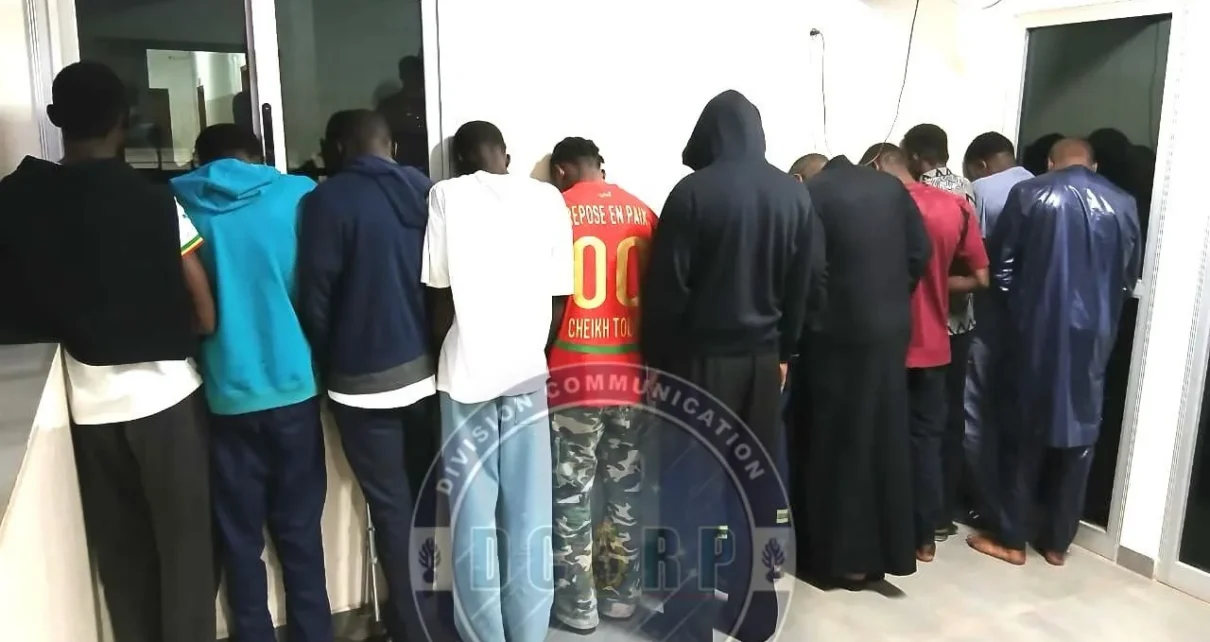
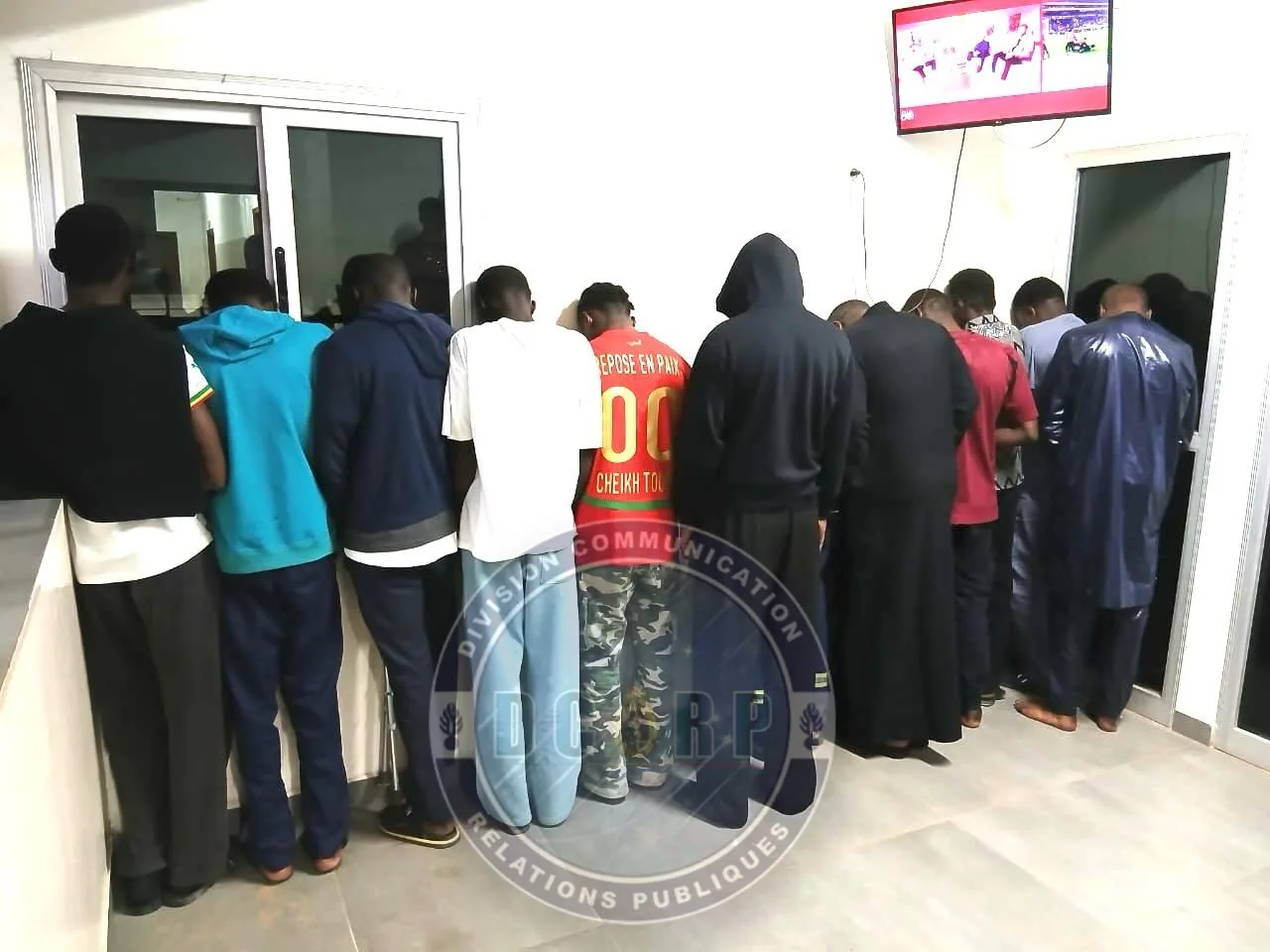
Critics have also highlighted what they see as a skewed portrayal of recent legal cases involving alleged violations of public health laws. While the report emphasizes anti-LGBTQ+ violence, detractors point out that individuals have been arrested and charged not solely on the basis of sexual orientation, but for the deliberate transmission of HIV, a separate criminal offense under Senegalese law.
Adding to the controversy, health officials from the National AIDS Control Center were interviewed, yet the segment made no mention of the legal charges tied to public health violations—fueling perceptions of a one-sided narrative.
Many Senegalese observers describe the coverage as a case of media bias, arguing that it overshadows legal realities and perpetuates harmful stereotypes. The debate continues to unfold, reflecting deeper tensions between freedom of expression, cultural values, and human rights in Senegal.