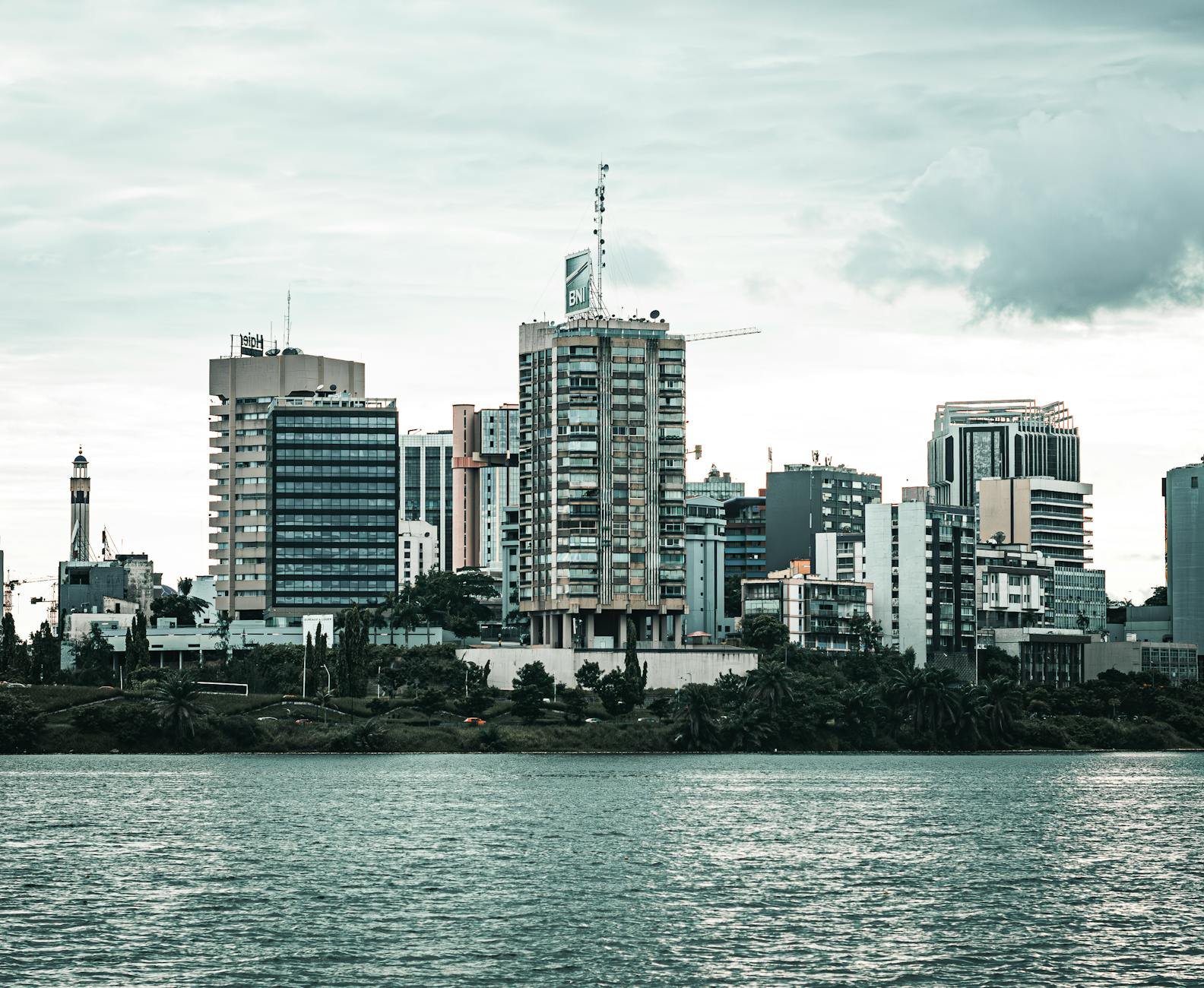
The newly unveiled Côte d’Ivoire National Development Plan (NDP) 2026-2030 marks a bold leap forward in the country’s economic strategy. With a colossal budget of $209 billion, this roadmap aims to pivot Abidjan’s economy from its historical reliance on raw agricultural commodities toward a more diversified, industrial, and service-driven growth model. The core objective is clear: propel the nation’s per capita GDP from $3,148 in 2025 to $4,500 within five years.
Building on a decade of robust growth, during which the Ivorian economy consistently expanded at 6-7% annually, the government acknowledges that past performance alone has not sufficiently addressed structural challenges like unemployment and poverty. The 2026-2030 plan directly confronts these gaps, embedding ambitious social and economic targets into its framework.
Aligning economic growth with social progress
The new NDP introduces three pivotal social benchmarks: doubling formal employment, reducing poverty to below 20%, and raising life expectancy to 65 years. These goals reflect a deliberate shift toward inclusive growth, where economic gains translate into tangible improvements for households. A critical hurdle remains the dominance of the informal sector, which still accounts for the majority of jobs. Addressing this will require not only policy reforms but also a strategic upgrade in key agricultural value chains—particularly cocoa, cashew, and rubber processing—to create higher-value employment opportunities.
Securing the $209 billion funding puzzle
Funding the NDP’s massive budget demands a balanced mix of domestic resources, private sector mobilization, multilateral support, and sovereign debt instruments. Côte d’Ivoire’s strong reputation as a regional debt issuer—bolstered by successful eurobond issuances—provides some financial flexibility. However, rising global interest rates and public debt sustainability concerns necessitate careful fiscal discipline. The private sector’s role will be pivotal, especially in financing large-scale infrastructure projects in energy, transport, and digitalization through public-private partnerships. Meanwhile, the government’s social programs—spanning health, education, and basic services—will command a significant share of direct public investment.
Navigating regional headwinds
The plan’s success is not isolated from West Africa’s evolving landscape. Côte d’Ivoire, the region’s economic powerhouse, must navigate shifting dynamics within the Economic Community of West African States (ECOWAS), withdrawals by Sahelian states, and persistent security threats in neighboring areas. As the largest economy in the West African Economic and Monetary Union (WAEMU), Abidjan’s ability to maintain stability and absorb external shocks will be instrumental in sustaining investor confidence.
The credibility of the 2026-2030 NDP hinges on rigorous execution and transparent progress reviews. Past plans have sometimes faltered due to mismatches between lofty goals and actual funding disbursements. Additionally, the upcoming electoral cycle could influence the pace of structural reforms, particularly in taxation and land governance. Efficient implementation will separate ambition from reality in this transformative vision for Côte d’Ivoire’s future.