Wedding ceremonies in N’Djamena, Chad, are undergoing a cultural shift that is drawing both fascination and concern. Traditional Tchadian marriage practices are gradually giving way to customs borrowed from neighboring Sudan, prompting questions about the future of local heritage.
Modern celebrations overshadowing age-old traditions
The evolution is most visible in urban centers like N’Djamena, where couples are increasingly adopting Sudanese-inspired rituals. One notable change is the application of henné not only on the bride but also on the groom’s hands and feet. The groom is often paraded in a procession to the bride’s home, where he carries her into the venue before repeating the gesture upon arrival at their new residence days later. Another common practice involves the groom presenting jewelry to his wife during a public gathering with both families present. These customs, once unfamiliar in Chad, now dominate many social gatherings.
Contrasting with Tchadian marital customs
Traditional Tchadian marriages followed a far more subdued path. After the dowry was settled, the couple maintained limited contact before the wedding day. On the day itself, the bride would leave her family home escorted by her mother and grandmother, who offered guidance on patience, household responsibility, and marital harmony. A week after the wedding, neighbors would be entrusted with the role of mentoring the new bride, correcting errors and encouraging positive behavior—strengthening community bonds in the process.
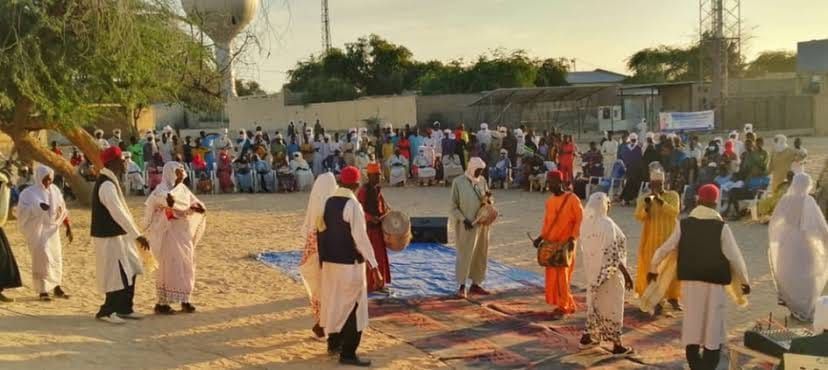
This system placed great emphasis on passing down wisdom through storytelling, drumming, and songs performed by griots, the traditional oral historians. These elements were not just entertainment; they were lessons in cultural identity. Today, however, modern music, elaborate stage setups, and imported rituals are taking center stage, leaving some elders worried about the erosion of these teachings.
Cultural fusion or cultural loss?
In districts across N’Djamena, it is now common to see weddings where every detail—from décor to attire to the sequence of events—mirrors Sudanese traditions. The line between the two cultures is blurring, with guests sometimes struggling to identify whether a ceremony is Tchadian or Sudanese in origin.
A village elder from the Bololo neighborhood expressed his concerns: « In the past, a Tchadian wedding was like a school. Elders spoke, the youth listened, and everyone left with a lesson. Now, the focus is on spectacle over substance. »
Maman Azma, a mother and founder of the Lamy Fortain association, echoed these sentiments: « Our daughters are embracing foreign customs, yet they know little of the traditions their grandmothers practiced. If we don’t teach them, they will vanish. »
Yet not everyone views the changes negatively. One recently married man stated, « We adopt what we find beautiful from other cultures. That doesn’t mean we reject our own. The goal is to preserve the values of marriage, not the rituals themselves. »
Balancing openness and preservation
As Chad’s urban centers continue to evolve, the challenge lies in maintaining a balance between cultural openness and the preservation of local identity. Experts in heritage conservation emphasize that the solution is not to resist foreign influences but to ensure that Tchadian traditions remain a living, taught part of daily life—so that future generations can recognize them as their own.