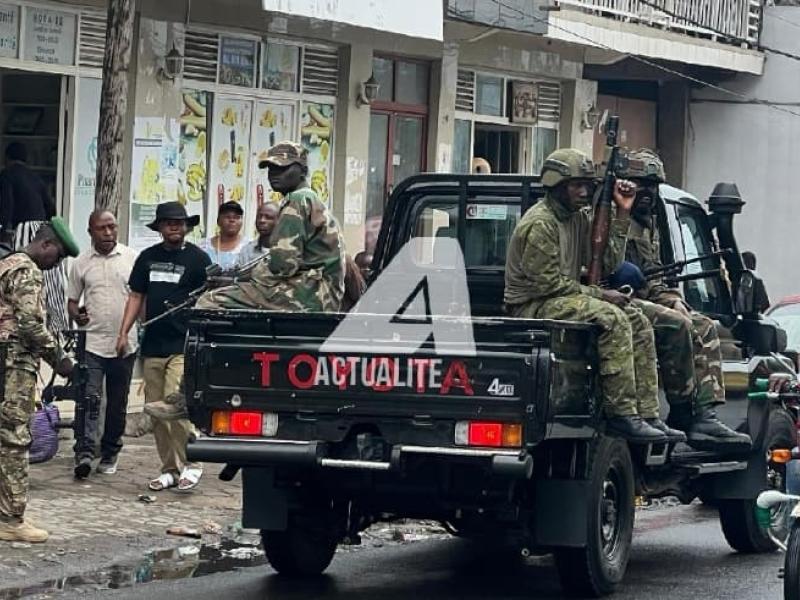
Eastern DRC conflict: Russia accuses Ukraine of backing M23 rebels
In a fresh twist to the escalating conflict in Eastern Democratic Republic of Congo (DRC), Moscow has leveled serious allegations against Kiev, accusing it of providing military support to the M23 rebel group. The accusations were made by Sergei Lavrov, Russia’s Foreign Minister, during a joint press conference with his Burundian counterpart in Bujumbura on July 10, 2026.
Russia points finger at Kiev amid regional tensions
The Russian diplomat condemned what he described as blatant foreign interference in African affairs, specifically targeting Kinshasa’s ongoing struggle against the M23 rebels in the North Kivu and South Kivu provinces. According to Lavrov, the M23 is not only backed by Rwanda but also receives covert support from Ukrainian operatives.
Lavrov stated: « We are witnessing alarming attempts to interfere in African sovereign matters, particularly in the Democratic Republic of Congo. The legitimate authorities in Kinshasa, with support from Bujumbura, are confronting an aggression spearheaded by the M23 group, which is receiving backing from foreign actors, including Ukrainians. We are fully aware of this, and our Burundian partners share this assessment. »
The Russian Foreign Minister further alleged that Kiev’s involvement in African conflicts is part of a broader strategy to undermine governments aligned with Moscow while expanding Ukraine’s influence on the continent. « Ukrainian operatives are increasingly present in multiple African conflicts, » Lavrov asserted. « Their goal is to bolster forces opposing legitimate governments solely to position themselves as key players in Africa and create complications for countries friendly to Russia. »
International concerns over drone warfare in DRC
The accusations come at a time when the use of armed drones in the DRC conflict has raised serious concerns among the international community. Anna Evstigneeva, Russia’s acting ambassador to the United Nations, highlighted the growing humanitarian crisis during a UN Security Council briefing on June 26, 2026.
Evstigneeva specifically referenced a drone strike in Goma on March 11, which resulted in the death of an UNICEF staff member. She also expressed Moscow’s deep concern over reports of foreign mercenaries operating in the region—some of whom allegedly gained military experience in Ukraine before being recruited as drone operators or trainers.
Evstigneeva warned: « We are particularly troubled by reports of foreign mercenaries, including individuals with combat experience in Ukraine, who are now serving as drone instructors or operators in the DRC conflict. »
Diplomatic deadlock persists amid stalled peace efforts
Despite multiple peace initiatives, including the Washington Agreement and negotiations mediated by Qatar in Doha, the security and humanitarian situation in Eastern DRC continues to deteriorate. Disputes over the interpretation of the Washington Agreement between Kinshasa and Kigali have further hindered progress, while the Montreux talks in Switzerland failed to yield significant breakthroughs.
The stalled diplomatic process has left regional and international stakeholders struggling to find a viable solution. Calls for adherence to peace commitments have so far yielded little tangible progress, with each party clinging to its own interpretation of the agreements, thereby perpetuating the impasse.
As the conflict rages on, the international community remains divided over the best path forward, with accusations and counter-accusations complicating efforts to broker a lasting peace.
Caption: M23 rebels in Goma, Eastern DRC.