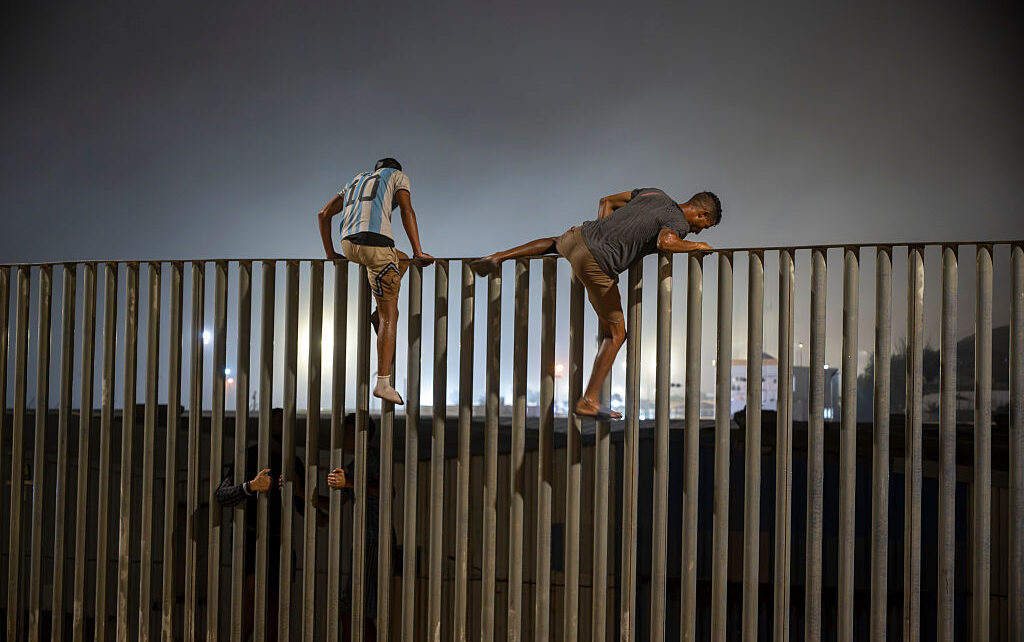
European leaders are navigating a delicate diplomatic balance following a sudden surge of migrants into Spain’s North African enclave of Ceuta, with Madrid urging its EU counterparts to refrain from publicly condemning Morocco for its role in the crisis.
The mass entry of over 72,000 people in a short period has raised urgent questions about border control and cooperation with Rabat, a key partner in managing migration flows and counterterrorism efforts. Spain’s Interior Minister, Fernando Grande-Marlaska, emphasized this week that assigning blame may not be the solution during a crisis response meeting.
« There isn’t necessarily anyone to blame, » he told reporters, deflecting direct criticism of Morocco as officials avoided direct accusations against the North African nation.
Diplomatic caution amid rising tensions
While German Chancellor Friedrich Merz openly called on Morocco to take responsibility for the situation, other EU leaders remained cautious. Analysts and media reports have questioned how such a large crossing could occur without some relaxation of the kingdom’s typically strict border controls.
European Commission President Ursula von der Leyen reiterated the EU’s stance that migrants should not be used as political leverage—without naming Morocco directly. She also hinted at the possibility of increased financial support to strengthen cooperation with Rabat, signaling a preference for dialogue over confrontation.
Role of misinformation in fueling the crisis
Instead of focusing on geopolitical tensions, EU officials and Moroccan authorities have pointed to misinformation and disinformation as major factors in the crisis. Spanish and Moroccan officials have cited false claims circulating on social media, including rumors of a Spanish Supreme Court ruling that supposedly prevented immediate deportations of irregular migrants arriving by sea.
Morocco’s Interior Ministry spokesperson, Rachid Khalfi, attributed the situation to « the exploitation of digital spaces, » arguing that misleading narratives created the perception that entry into Europe via Ceuta was both easy and consequence-free. The government also criticized Spain for failing to anticipate the fallout from its legal decisions.
Europol, the EU’s law enforcement agency, is now investigating potential disinformation campaigns linked to the events. EU ambassadors and migration ministers have discussed the need for improved intelligence sharing to counter false narratives, with some reports suggesting Russian-linked actors may have amplified misinformation to exploit the situation politically.
Frontex, the EU’s border agency, is also considering expanding its mandate in an upcoming policy review to monitor and counter disinformation spread on social media platforms.
Despite these efforts, no independent investigations have confirmed a coordinated campaign prior to the recent border surge.