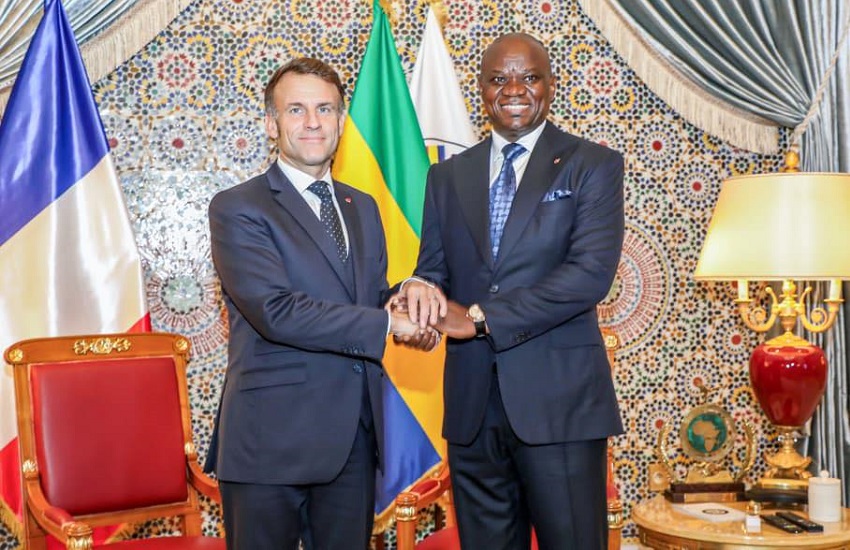
France – Gabon: a strategic return reshaping bilateral ties
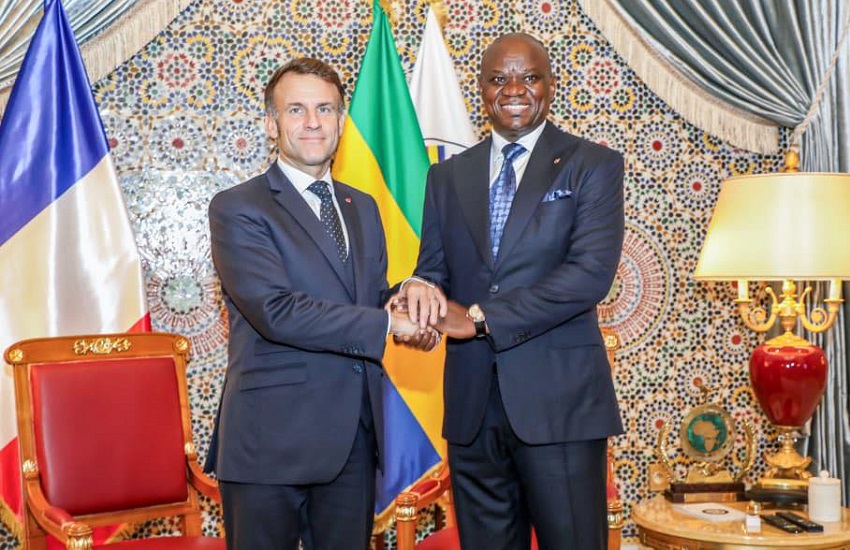
Libreville, June 4, 2026 — The upcoming state visit by Gabonese President Brice Clotaire Oligui Nguema to France on July 20 marks more than just another diplomatic engagement. It signals a deliberate shift in how Libreville and Paris are recalibrating their partnership amid shifting geopolitical currents across Central Africa and the wider continent.
Announced during an interview with international media, this high-profile trip comes at a pivotal moment when African nations are reassessing their relationships with former colonial powers. Unlike some neighbors who have distanced themselves from France, Gabon is charting a distinct course—one built on mutual strategic interests and renewed cooperation.
Brice Clotaire Oligui Nguema has been unambiguous about this direction. In recent statements, he emphasized that Franco-Gabonese relations remain “in excellent shape,” rejecting any notion of tension between the two countries. The upcoming visit is poised to solidify this stance, potentially becoming one of the defining diplomatic moments of his presidency so far.
From historical ties to a modern partnership
Since gaining independence in 1960, Gabon and France have maintained one of Africa’s most enduring diplomatic relationships. Under leaders like Léon Mba, Omar Bongo Ondimba, and Ali Bongo Ondimba, cooperation spanned security, economics, education, infrastructure, and defense. For decades, Gabon stood as one of France’s most reliable allies on the continent.
Yet today’s world demands a new approach. The rise of global players such as China, the United Arab Emirates, Turkey, and India has reshaped power dynamics. African nations, including Gabon, now prioritize greater sovereignty in resource management and foreign policy decisions. This evolution is reshaping the Franco-Gabonese alliance from a historically one-sided model into a partnership rooted in complementarity, skill-sharing, and local value creation.
Security cooperation: stability through evolution
One of the most closely watched aspects of the visit will be defense collaboration. When asked about the withdrawal of French troops from Gabon’s Camp de Gaulle, President Oligui Nguema clarified that this decision originated in Paris—not as a response to any disagreement between the two nations.
“We did not expel them,” he stated plainly. This clarification carries weight in today’s African context, where some nations have abruptly ended French military presence. Gabon’s approach remains pragmatic: maintaining a reduced French contingent focused on training Gabonese forces while gradually building national military autonomy.
The planned transformation of Camp de Gaulle into a national training center—with the facility renamed under a Gabonese designation—sends a clear message. It reflects a commitment to sovereignty that does not reject cooperation but instead redefines it on equitable terms.
Economic ties: moving toward shared prosperity
Beyond historical and security considerations, the economic dimension remains central. France remains a top foreign investor in Gabon, with French firms holding key positions in vital sectors. However, Libreville now seeks deeper local benefits from this partnership.
Recent discussions have centered on local processing of raw materials, job creation, and industrial development. The meeting between President Macron and Oligui Nguema aims to address these priorities with fresh perspective. The goal is no longer just attracting investment but fostering a collaboration that supports Gabon’s economic diversification while providing French enterprises with a stable and attractive operating environment.
Building a partnership for the 21st century
The July 20 state visit arrives at a defining crossroads. Gabon seeks to strengthen its sovereignty while preserving relationships that drive development. France, meanwhile, is redefining its role in Africa amid growing skepticism toward its historical influence.
The relationship is evolving beyond the unequal dynamics of the past. Both nations are now focused on constructing a more balanced partnership—one that respects sovereignty, upholds shared interests, and delivers mutual benefits. Success will be measured not by ceremonial gestures but by tangible progress toward this vision.
The challenge ahead is clear: can France and Gabon demonstrate that a modern, strategic partnership—grounded in mutual respect and aligned interests—can thrive in the 21st century? The answers may well emerge from the decisions made during this landmark visit.