Gabon officially unveiled its 2026–2035 energy plan in Cape Town, on the sidelines of the African Energy Forum, one of the continent’s key sector gatherings. The Gabonese delegation, led by Philippe Tonangoye, minister for universal access to water and energy, outlined the country’s strategic priorities before an audience spanning over 45 nations, international financial institutions, specialized funds, and top-tier industry players. Libreville’s stated goal is to reposition the country on Africa’s energy map and attract a share of the capital flowing across the continent.
A decade-long roadmap to close the energy gap
The presented plan covers ten years and aims to sustainably structure the national energy mix. Gabon, whose electricity generation remains heavily reliant on hydropower and thermal sources, seeks to diversify supply while expanding access to essential services. Universal electricity access remains a central challenge, especially in rural areas where connection rates lag far behind urban averages.
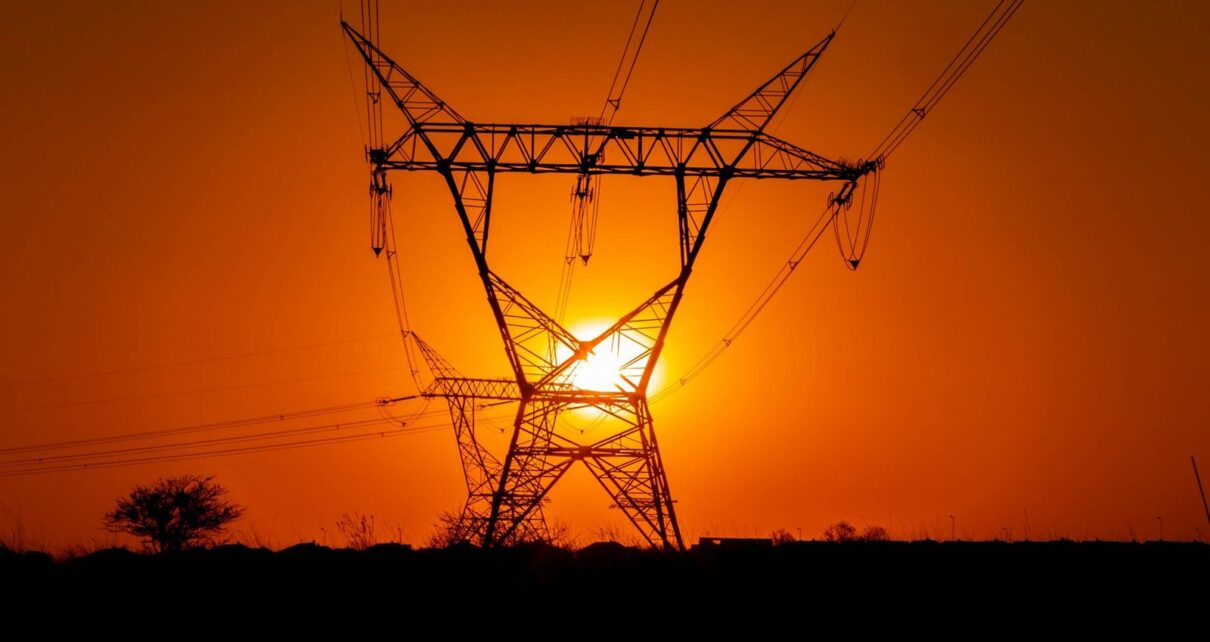
For Gabonese authorities, the stakes go beyond generation alone. Modernising the transmission and distribution network—whose ageing infrastructure hurts service quality and drives technical losses—is equally crucial. The plan rests on three pillars: boosting installed capacity, strengthening transport infrastructure, and deploying decentralised solutions for remote areas. This integrated approach aims to make the goal of universal access—a government priority—credible.
Cape Town as a showcase to attract financing
The choice of the African Energy Forum as a platform is no coincidence. Each year, the Cape Town event concentrates a significant share of public decision-makers, multilateral lenders, and investors active on the continent. For a country like Gabon, which must manage a tight fiscal space and watched public debt, mobilising concessional finance and private capital is a condition for the plan’s success.
Philippe Tonangoye used the forum to present upcoming investment opportunities, both in renewable generation and transitional thermal power. Gabon holds substantial unexploited hydropower potential—estimated by several studies at several gigawatts—alongside significant solar assets in parts of its territory. Natural gas also offers prospects, with local valorisation for electricity production forming a key government-backed axis.
The presence of international financial institutions and infrastructure funds at the meeting provides Libreville a direct channel to kick-start bilateral negotiations. Beyond announcements, turning the plan into bankable projects remains the real test. Lenders typically expect stable regulatory frameworks, competitive tenders, and tariff visibility before committing to long-term horizons.
Energy sovereignty and industrial trade-offs
The 2026–2035 plan fits into a broader push for economic sovereignty championed by the transitional authorities. Energy is a linchpin: reliable electricity underpins the development of local industrial value chains, notably in timber, mining, and hydrocarbon processing. Moving up the value chain in these sectors requires competitive and consistent power supply.
Yet this imperative must be reconciled with the country’s climate commitments, as Gabon presents itself as a model for forest preservation. The trade-off between swiftly deployable thermal capacity and accelerated renewables will likely shape investment decisions over the next decade. The Cape Town forum has opened this debate publicly, testing investor appetite for the Gabonese market.
The delegation led by Minister Philippe Tonangoye held side meetings with several partners on the margins of the event to prepare for the implementation of projects identified in the ten-year plan.