Gabon takes bold steps to regulate global tech giants
Libreville, Tuesday 14 July 2026 — Once seen as a borderless virtual space beyond national control, the digital economy now faces a new reality where governments worldwide are asserting their authority over citizen protection, content regulation, and the accountability of global tech platforms.
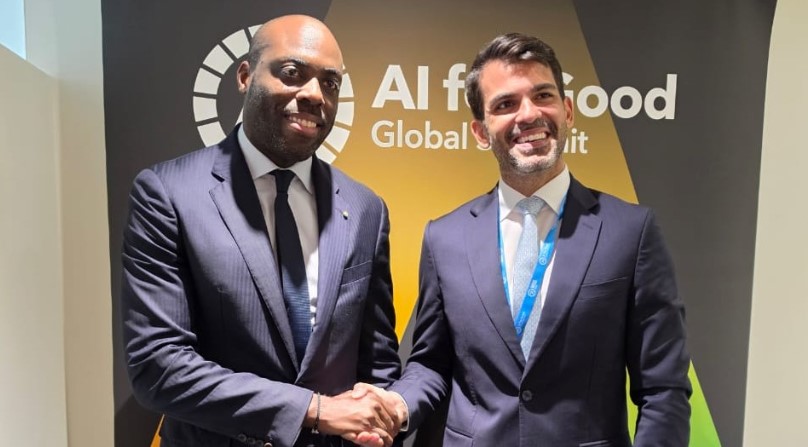
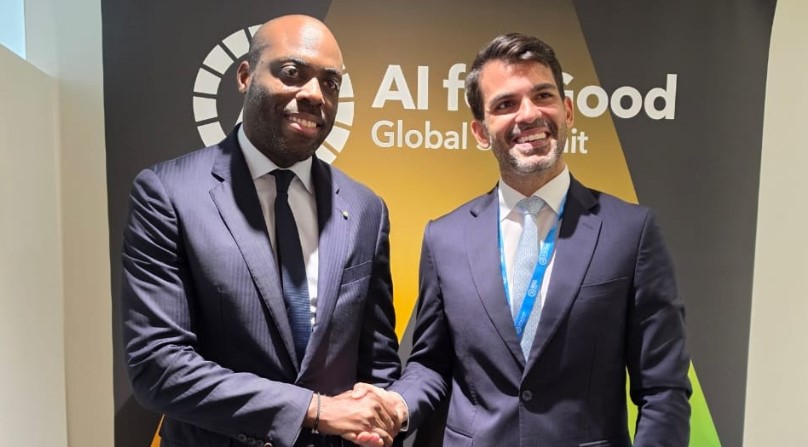
Geneva witnessed a pivotal moment when Gabon sent a clear message to tech giants during the AI for Good summit and the World Summit on the Information Society. The Gabonese delegation, led by Minister of Digital Economy Mark-Alexandre Doumba, engaged in direct talks with TikTok’s regional director, Emir Gelen, signaling a new phase in Libreville’s relationship with one of Africa’s most influential social platforms.
From conflict to collaboration
The high-level meeting followed months of strained relations after Gabon temporarily suspended several social networks in February 2026. Rather than escalating tensions, both sides chose to rebuild trust around a shared goal: fostering a safer, more responsible online environment. For Gabon, this goes beyond technology—it’s about addressing public safety challenges like misinformation, hate speech, cyberbullying, and the exposure of minors to harmful content.
Minister Doumba emphasized that protecting young Gabonese users’ mental health, combating digital violence, and preserving social cohesion are top priorities for the government. These concerns align with Gabon’s broader national digital sovereignty strategy, which seeks to balance innovation with regulation.
TikTok reveals its Gabon moderation efforts
In response to Gabon’s concerns, TikTok provided transparency through hard data. During the Geneva discussions, the platform revealed it had removed 23,504 videos and posts deemed sensitive or violating community guidelines in Gabon during the first quarter of 2026. More impressively, nearly 99.8% of these were detected automatically before any user reports, and 92.9% were removed before being viewed.
These figures highlight TikTok’s heavy reliance on artificial intelligence for real-time content filtering and removal—a system designed to meet growing regulatory demands from governments worldwide.
Digital sovereignty takes center stage
The Geneva meeting coincided with Gabon’s recent adoption of stricter laws governing digital platforms. A new ordinance grants international platforms one year to comply with national requirements on safety, data protection, and content moderation.
Libreville’s stance is unambiguous: technology must operate within a framework of social responsibility. Global tech giants can no longer act as passive content hosts; they must now be accountable for societal stability, information security, and the protection of vulnerable populations.
Gabon’s approach reflects a global trend, with countries from the European Union to Brazil and Australia imposing new rules on tech giants. Rather than confrontation, Libreville advocates for a co-regulatory model based on dialogue, shared responsibility, and measurable outcomes.
With over 70% of Africa’s population under 30, the battle for digital sovereignty will shape the continent’s political, economic, and cultural future. Gabon’s Geneva meeting could mark the beginning of a new digital governance doctrine—one that promotes innovation while ensuring accountability, empowers platforms while holding them responsible, and aligns national interests with global digital progress.
The Gabonese government has now opened a pivotal chapter that could inspire other African nations facing similar challenges.