Gabon’s economic transformation: SONOCO enters agribusiness to boost food sovereignty
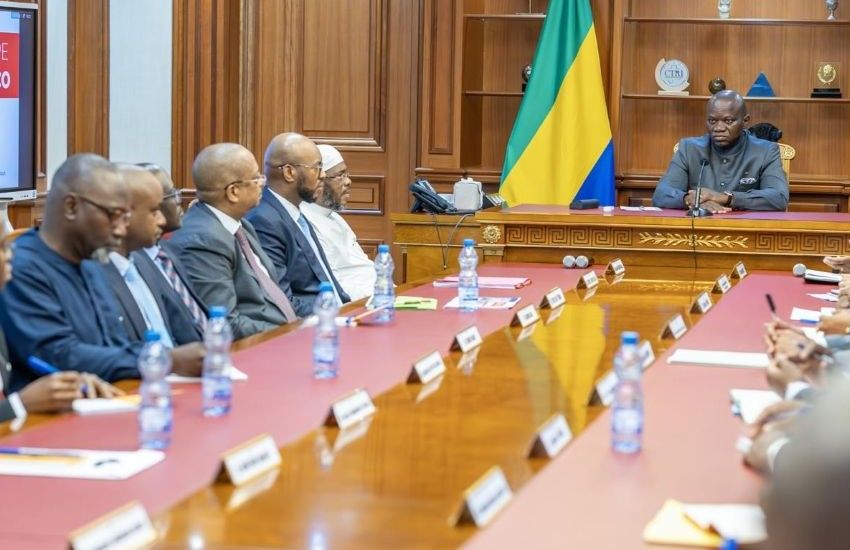
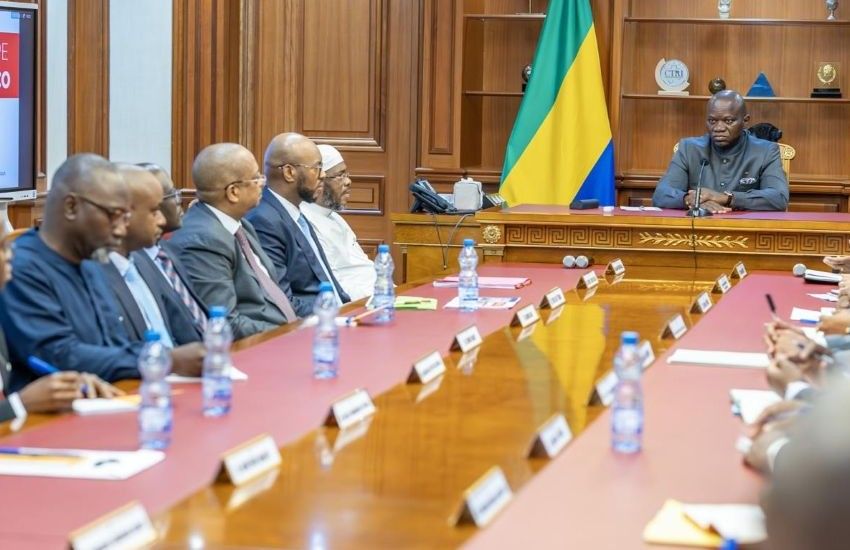
Libreville, Wednesday, June 10, 2026 – Gabon is potentially opening a pivotal new chapter in its economic transformation. President Brice Clotaire Oligui Nguema recently met with a delegation from the Guinean group SONOCO, led by its General Director Abdoul Karim Diallo. This high-level meeting solidifies an ambitious vision articulated weeks earlier at the Kigali Forum: to forge a new development model anchored in productive sovereignty, robust cooperation among African economies, and the creation of wealth across the continent.
Far from a mere diplomatic exchange, this encounter signifies a concrete response to Gabon’s call for African investors to support its economic reorientation. The commitment from SONOCO, one of West Africa’s most significant private conglomerates, sends a powerful message. It reflects the growing confidence among African economic players in Gabon as the nation vigorously pursues its diversification strategy.
The drive for food sovereignty
The strategic choice of the agribusiness sector is highly significant. For several years, food security has emerged as a critical challenge for African economies. Despite vast agricultural potential, many nations remain heavily reliant on imports to feed their populations. Gabon is no exception, with a substantial portion of its poultry consumption still imported, placing a considerable strain on the national trade balance.
SONOCO’s proposed project directly addresses this critical issue. Its ambition extends beyond simply establishing production units; the Guinean group plans to replicate an integrated model already proven effective in multiple African countries. This strategy is built upon comprehensive control of the entire value chain.
The initiative encompasses local cultivation of plant-based raw materials for animal feed, the construction of a cutting-edge poultry feed manufacturing facility, the establishment of hatcheries, brooding houses, laying farms, broiler chicken breeding sites, and an industrial abattoir designed to meet international standards.
A large-scale industrial sector
This integrated approach represents one of the program’s most strategic components. In many African countries, agricultural sectors suffer from fragmentation, which undermines their competitiveness. By overseeing every stage of production, SONOCO aims to ensure greater economic efficiency while bolstering the resilience of the entire supply chain.
The stated objectives underscore the project’s ambitious scope. With an anticipated annual production exceeding fifteen million broiler chickens, Gabon could achieve self-sufficiency in this segment, dramatically reducing its reliance on imports. For a nation that still imports a significant portion of its food requirements, the stakes are exceptionally high.
However, the expected impact transcends mere food provision. Similar to Guinea, where SONOCO’s developed sector already supports nearly four thousand jobs, the Gabonese project is poised to generate several thousand direct and indirect employment opportunities across agriculture, livestock farming, industrial processing, transport, logistics, and various services.
This dynamic perfectly aligns with the economic vision championed by Gabonese authorities. The aim is no longer solely to exploit national resources but to transform them locally, generate greater added value, and foster an industrial framework capable of sustaining long-term growth.
A symbol of Africa investing in Africa
Another crucial dimension of this partnership lies in its geopolitical significance. At a time when African states are striving to enhance intra-African trade, the collaboration between Libreville and Conakry exemplifies the emergence of a new economic paradigm: an Africa that invests within Africa, shares expertise, and builds its own value chains.
Administrative and land procedures are now actively underway with the relevant ministries, and the initial infrastructure is expected to become operational within the coming months. If this timeline holds, the SONOCO project could swiftly become one of the most visible symbols of Gabon’s new economic policy.
In a global landscape marked by food uncertainties, supply chain pressures, and the imperative to bolster local production, this initiative holds importance that extends beyond Gabon’s borders. It embodies a conviction increasingly shared across the continent: Africa’s economic sovereignty will depend as much on its mines and infrastructure as on its capacity to sustainably feed its people. The partnership between Gabon and SONOCO precisely follows this trajectory and could evolve into one of the most successful examples of South-South cooperation driving African economic transformation.