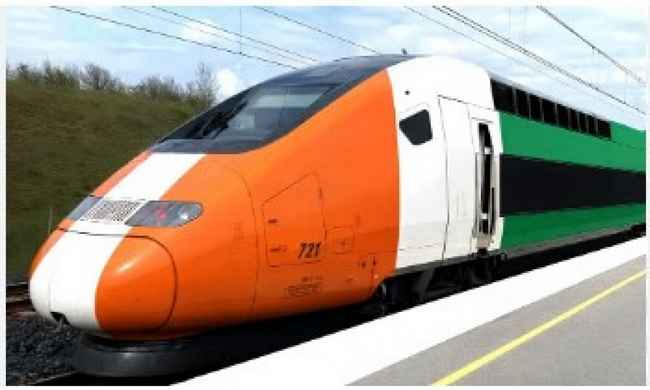
Ivory Coast plans high-speed rail to boost travel between Abidjan and Yamoussoukro
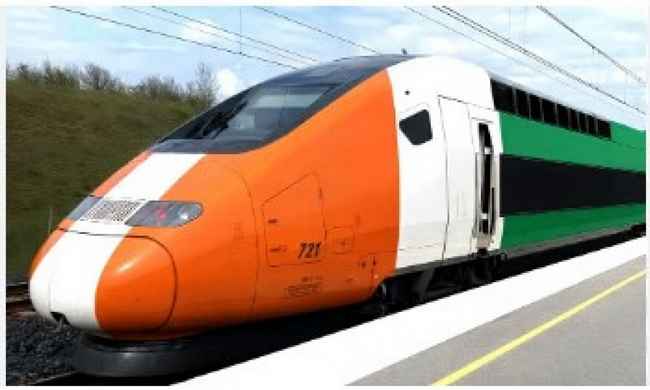
Ivory Coast is considering a bold infrastructure project that could position it as Africa’s second country with a high-speed rail network, following Morocco’s launch in 2018. The government is advancing plans for a 640km high-speed rail line connecting Abidjan, the economic capital, to Yamoussoukro, the political capital established by former President Félix Houphouët-Boigny. This route would cut travel time from nearly three hours by road to just 45 minutes by train.
Beyond Yamoussoukro and Abidjan, the project envisions extending services northward to key cities like Bouaké, the country’s second-largest urban center, as well as Korhogo and Ferkessédougou. While feasibility and financing studies are ongoing, the initiative aligns with broader goals to enhance regional connectivity and economic growth.
The high-speed rail could play a strategic role in Ivory Coast’s aspirations, including its potential bid to host the 2038 FIFA World Cup. Though competition remains fierce—Morocco is already set to host the 2030 tournament—the project underscores the nation’s commitment to modernizing its infrastructure.
Economic growth through enhanced transport infrastructure
Under the leadership of Prime Minister Robert Beugré Mambé, Ivory Coast has prioritized large-scale transport development as part of a €175 billion economic growth plan outlined in the 2026–2030 National Development Program. Alongside the high-speed rail, the government is investing in other critical projects, including a new Abidjan metro slated for completion in 2029, the expansion of road networks totaling 1,000km of highways, and the construction of two new airports in San Pedro and Bondoukou. President Alassane Ouattara, in office since 2011, aims to position these initiatives as pillars of the country’s economic and social modernization.