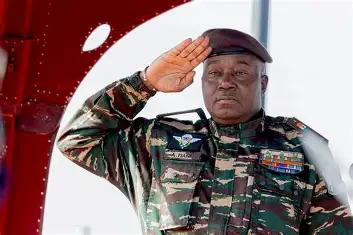
Addressing the assembled deputies and senators during his annual State of the Nation speech, the President emphatically stated, «The SEEG must undergo reform if we are to achieve a lasting resolution to this issue».
This declaration starkly highlights the perceived failure of the current operational model, as Gabon has endured years of continuous water and electricity disruptions.
The presidential initiative rests on two fundamental principles: disaggregating water management from electricity management, and further separating the functions of production, distribution, and commercialization. This structural reorganization, according to the head of state, promises more efficient and accountable governance of these vital services.
«Currently, a water leak can take up to three months to be repaired. If sector revenues were directly tied to the quality of water service, interventions would be significantly swifter», he elaborated, dismissing arguments that the water sector could not sustain itself without electricity revenues.
The prevailing operational deficiencies are attributed to «poor governance» within the public company. The President continued, «This moment of truth compels me to be frank with you. Beyond the technical problems, the persistent load shedding is due to the SEEG failing to compensate its operators».
However, responsibility is also shared with consumers. The head of state condemned «the incivility of users», citing detrimental practices such as non-payment of bills, concealment of meters, fraud, cable theft, transformer sabotage, and illegal direct connections.
The technical assessment paints a grim picture. Steve Saurel Legnongo, the provisional administrator of SEEG, estimated in early 2025 that «no significant structural investment has been made in the last two decades», even as energy consumption demands nearly doubled between 2010 and 2024.
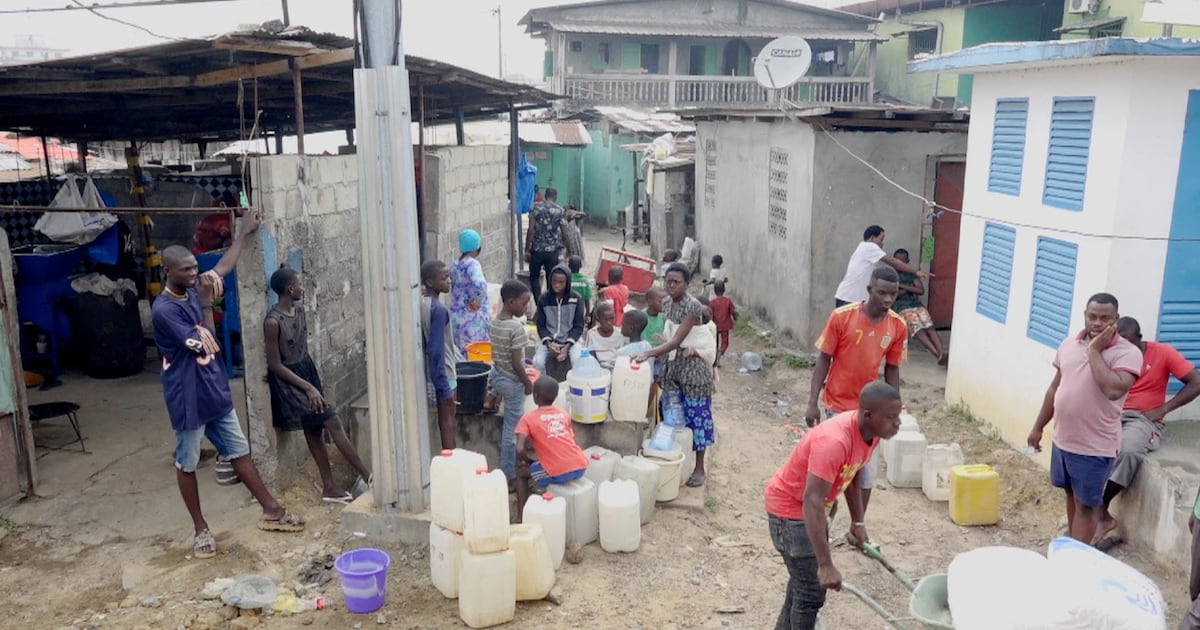
The ramifications for the populace are severe. The capital city regularly experiences rotating power outages, while water cuts in some areas extend for several months.
Subscribers to SEEG offered diverse perspectives when questioned. Mariam Yama, a subscriber, welcomed the proposed separation of the two sectors: «If water and electricity are managed separately, it implies two distinct entities focused on service efficiency. I believe this will help».
Nicole Esso, however, expressed more caution: «This isn’t a new issue. Water and power outages are widespread in Gabon. Equipment renewal simply hasn’t kept pace. I think we are perhaps prematurely impatient and pessimistic. The head of state is actively working on this; we should allow him to proceed».
Patrick Ruffin, a retired military officer, emphasized financial accountability: «The management of SEEG absolutely needs re-evaluation».
Cédric Pango, a corporate executive, raised a significant concern: «Within SEEG, it’s widely known that electricity operations are more profitable than water. The water sector has been neglected, lacking investment. In that sense, I understand the President’s approach. However, if we separate these two activities, with the water sector remaining unprofitable, we risk encountering even greater difficulties than before».
In recent years, authorities have already initiated steps to «alleviate the distress of the Gabonese people concerning this energy challenge».
In February 2025, the State finalized an agreement with the Turkish company Karpowership for the provision of 150 megawatts through two floating power plants, intended to supply the greater Libreville area. That same month, Gabon and Equatorial Guinea successfully interconnected their national electricity grids.
For Brice Clotaire Oligui Nguema, who assumed power following a coup in August 2023 before being elected with 94.85% of votes in April 2025, rectifying the nation’s electrical infrastructure is a crucial test of credibility.
The announced reform now requires concrete implementation, as residents of Libreville and across the country eagerly await tangible improvements.
Navigating technical hurdles, financial complexities, and the fight against fraud, the undertaking is monumental. Yet, for the population, the fundamental question remains: will the coming weeks finally signal an end to the recurrent outages, or will this simply be another chapter in a persistent public service crisis?