A decade of crisis marked by a symbolic shutdown
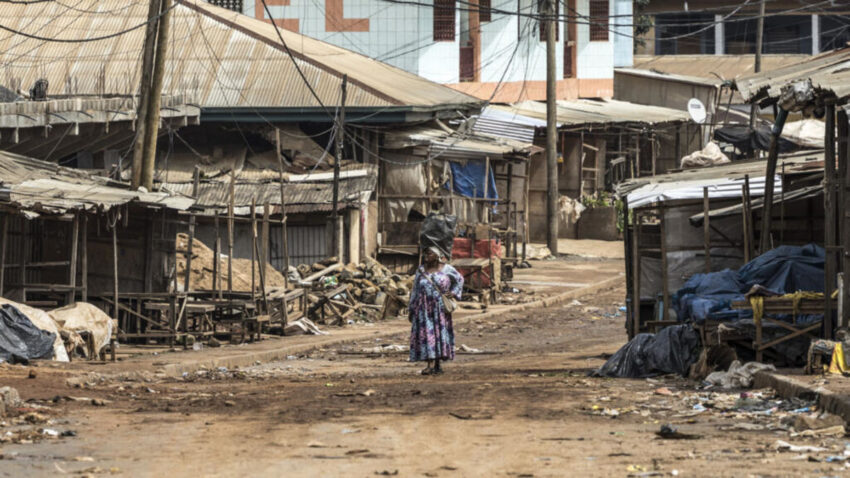
On October 1st, the anniversary of the 1961 reunification of French and British Cameroons, separatist groups in the North-West and South-West regions declared a ‘ghost town’ operation. In response, Cameroonian authorities deployed security forces across major cities, fearing unrest. By midday, no major incidents were reported, but daily life slowed to a halt as residents stayed indoors.
Security measures and the mood on the ground
In Bamenda, military tanks and patrols were visible at key intersections, described by locals as a deterrent. Similar scenes unfolded in Buea and surrounding towns. One resident said he managed a brief workout on quiet streets before returning home. The atmosphere remained tense but calm, with businesses shuttered and transport halted.
Social media debates reflect a decade of pain
On platforms like TikTok, panels featuring the blue and white colors of the separatist movement sparked discussions about the ten-year conflict. Khongor Félix Agbor, a lawyer and former detainee, published a reflection honoring ‘families who buried loved ones, the displaced, children whose education was interrupted, all those living in fear, and detainees of the anglophone crisis.’
Human toll of the anglophone crisis
According to NGOs, the crisis has claimed over 6,000 lives and displaced hundreds of thousands over the past decade. The ‘ghost town’ operation serves as a stark reminder of the ongoing struggle in Cameroon’s anglophone regions.