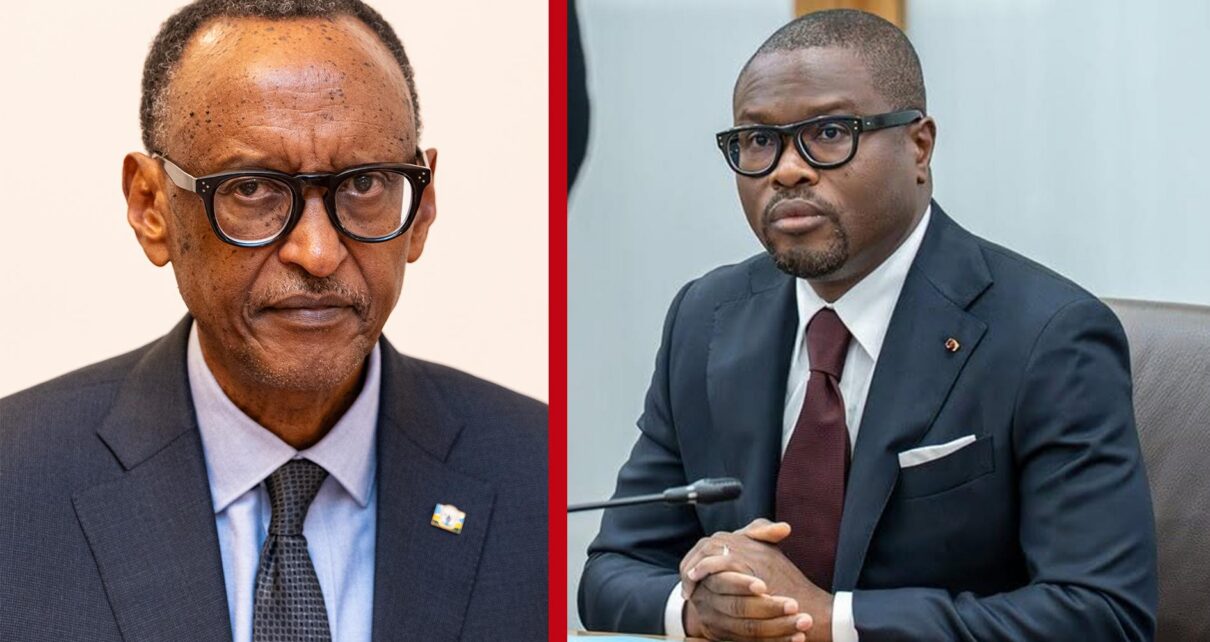
The Beninese Finance Minister Romuald Wadagni’s recent two-day visit to Kigali wasn’t just symbolic—it set in motion concrete steps that could redefine regional cooperation and economic growth for both nations. During the summit with Rwanda’s President Paul Kagame, Wadagni outlined a roadmap that goes beyond diplomacy, focusing on tangible outcomes that will impact citizens, businesses, and the broader West African economy.
Strengthening security ties to combat cross-border threats
At the heart of the discussions in Kigali was a renewed commitment to joint security initiatives. The Benin-Rwanda partnership has long focused on intelligence sharing and border protection, but this visit elevated those efforts to a new level. Both nations agreed to expand technical and logistical support, with a specific emphasis on preventing illicit trafficking and enhancing regional stability. This move comes as smuggling and border-related crimes remain persistent challenges in the Sahel region, making coordinated action critical for West African nations.
Economic cooperation takes center stage with Rwanda’s investment models
The Beninese delegation, led by Wadagni, explored Rwanda’s success in attracting foreign direct investment (FDI) and digitizing public services. These are areas where Benin aims to draw inspiration to boost its own economy. Rwanda’s reputation as a tech-driven and investor-friendly nation provided a blueprint for Benin as it seeks to modernize its administration and streamline business processes. The meeting highlighted opportunities for tech transfer, joint ventures, and increased intra-African trade, positioning both countries as key players in Africa’s economic transformation.
The human touch: honoring Rwanda’s past while investing in its future
True to diplomatic custom, Wadagni paid homage to Rwanda’s historic resilience by visiting the Gisozi Genocide Memorial. The solemn gesture underscored a message of unity and remembrance, but it also carried a forward-looking tone. By acknowledging Rwanda’s journey from turmoil to recovery, Wadagni framed the Benin-Rwanda partnership as part of a shared commitment to stability, prosperity, and sustainable development across the continent. This symbolic act reinforced the idea that strong diplomatic relations are built on both shared values and mutual progress.
What this means for Beninese businesses and investors
For Beninese entrepreneurs and multinational corporations eyeing expansion in Africa, the outcomes of this visit translate into real-world opportunities. Enhanced security cooperation will make business environments along the Benin-Rwanda trade corridors safer and more predictable. Meanwhile, Rwanda’s proven strategies in digital governance and investment attraction offer a playbook for Benin to refine its own policies and attract more capital. The strengthened axis also signals to global investors that West Africa is becoming a more cohesive and dynamic market for trade and innovation.
Citizens to feel the impact through improved services and stability
Beyond macroeconomic benefits, the average Beninese citizen is poised to see concrete improvements from this partnership. Digital transformation in public services, inspired by Rwanda’s models, could lead to faster, more transparent government processes. Enhanced border security will also contribute to safer communities and reduced risks for travelers and traders. Over time, increased trade between the two nations could drive job creation and foster socioeconomic growth in border regions.
A message to the region: Africa’s future is in unity and innovation
The Kigali visit was more than a bilateral meeting—it was a statement about the future of African cooperation. By prioritizing security, economic pragmatism, and shared values, Benin and Rwanda are positioning themselves as leaders in a new wave of intra-African partnerships. This dynamic is not only reshaping their own destinies but also serving as a potential model for other nations seeking sustainable growth amid global uncertainties.