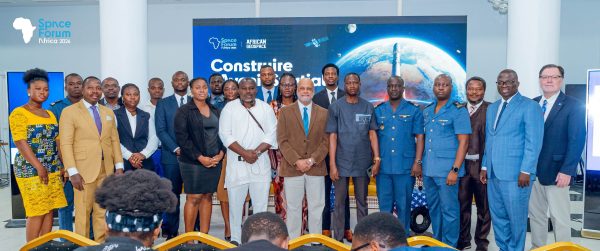
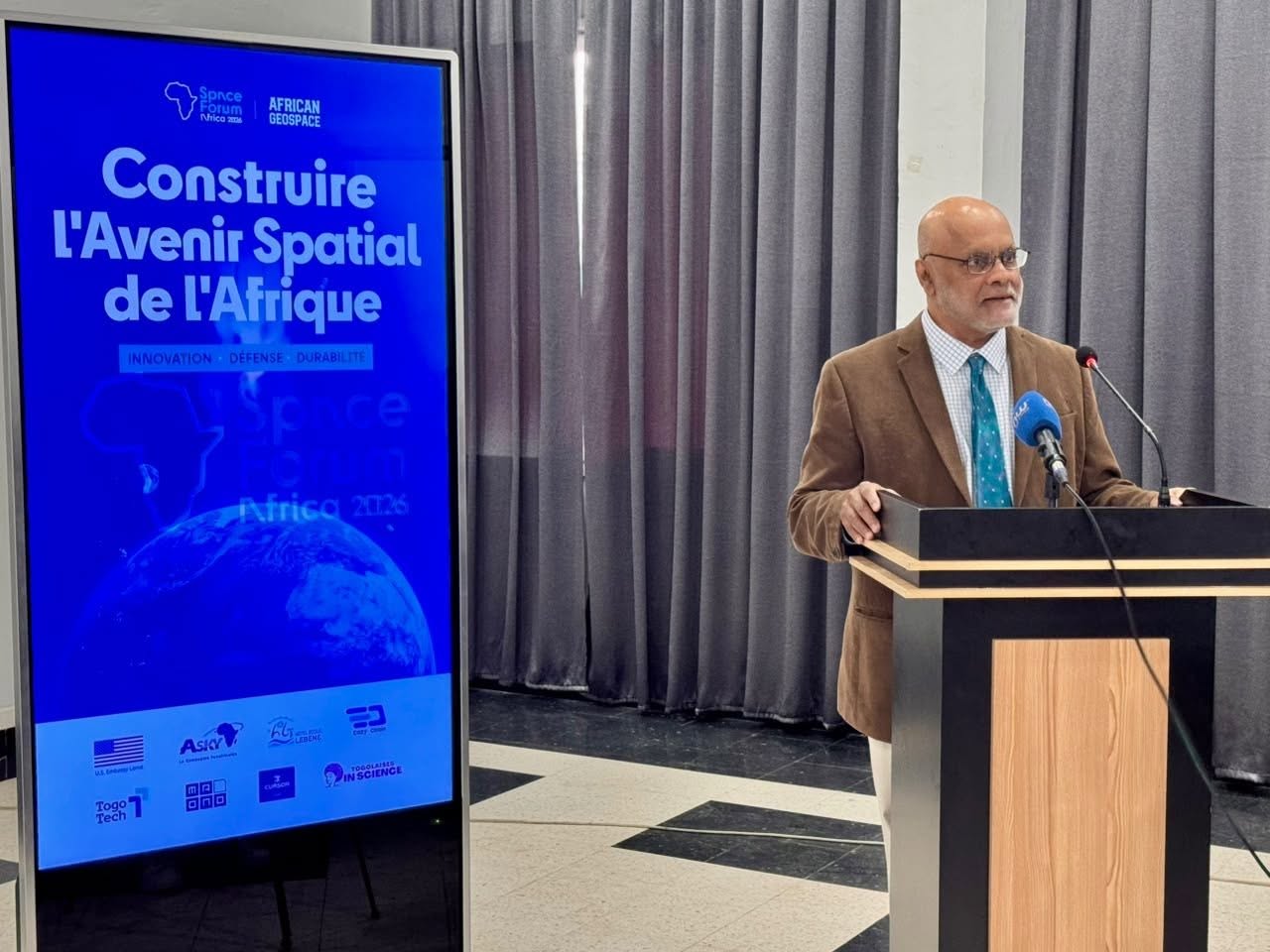
In Lomé, the Space Forum Africa 2026 shifted perspectives entirely. From July 28 to 30, policymakers, researchers, investors, and innovators gathered to explore a groundbreaking concept: space technologies now serve purposes far beyond Earth observation. These tools are driving agricultural productivity, disaster prevention, enhanced communications, and the creation of entirely new markets across the continent.
Traditionally, Africa’s space ambitions were framed around distant goals—launching satellites, funding scientific programs, or training specialized talent. But in Lomé, the conversation evolved. The focus shifted from whether Africa could reach space to how space could actively reshape Africa’s future.
advertisement
Supported by the U.S. Embassy in Lomé, the Space Forum Africa 2026 brought together stakeholders from across the space sector to address a shared mission: transforming space science and technology into tangible solutions for Africa’s most pressing challenges.
From orbit to field: leveraging satellite data for real-world impact
Key takeaways from the forum underscored a pivotal shift. Space is no longer just about scientific exploration or technological prestige—it’s about delivering practical benefits on the ground. Satellite data now powers critical activities such as agriculture, climate monitoring, disaster response, and communications infrastructure.
The real challenge, participants agreed, lies not in launching satellites but in harnessing orbital data to inform decisions on Earth. For African economies grappling with climate change, data scarcity, and forecasting limitations, these technologies offer a powerful tool for smarter, data-driven policymaking.
This transition also presents a unique opportunity for African tech startups. As space-derived data becomes more accessible, it fuels the development of localized solutions and high-value industries, fostering economic growth from within the continent.
Jim Adams and the NASA legacy shaping Africa’s space economy
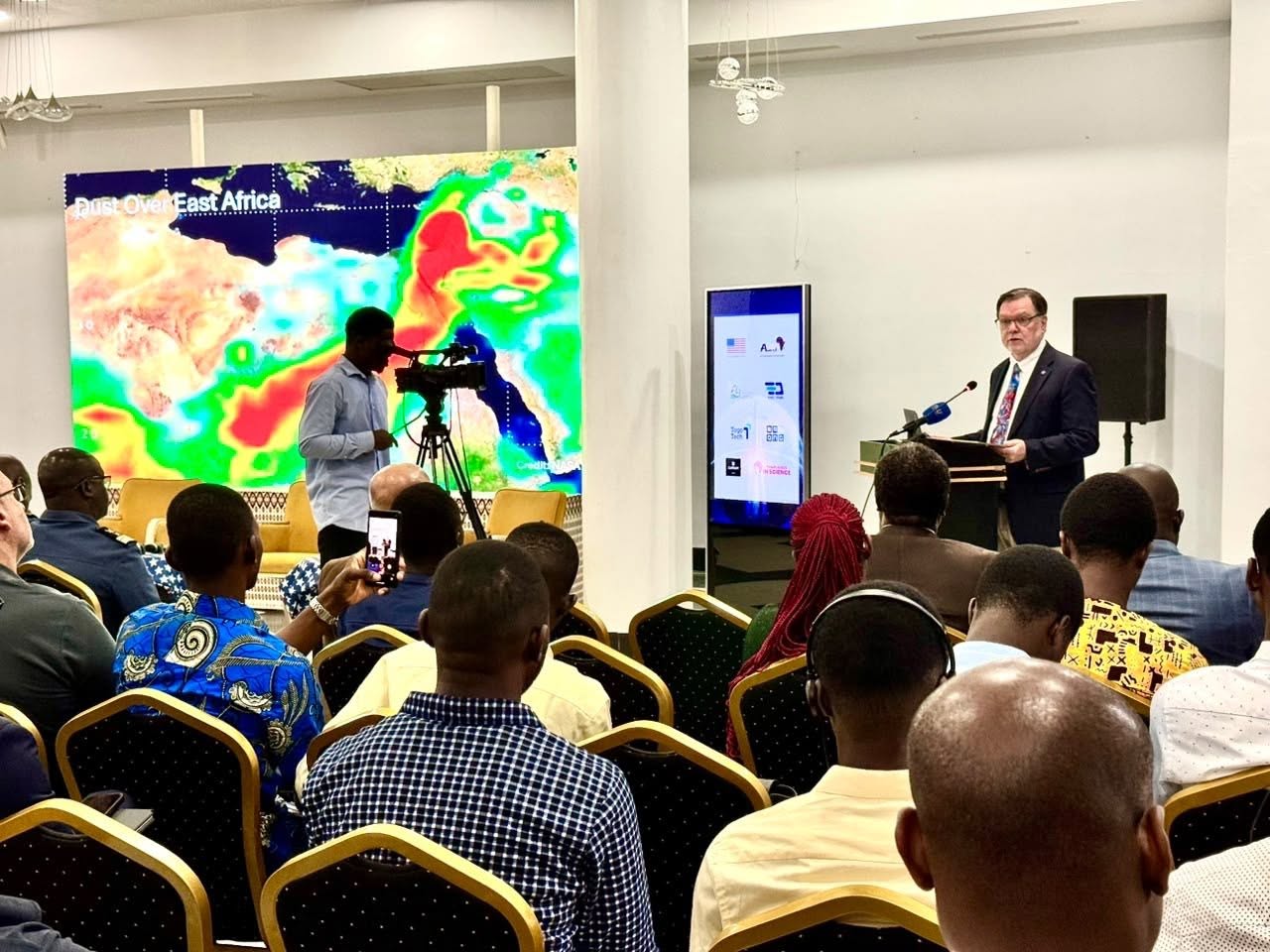
Keynote speaker Jim Adams, a veteran NASA engineer with over 40 years of experience in space exploration and satellite technologies, joined the forum as part of the U.S. State Department’s speaker program. His insights highlighted how space capabilities are already driving change in strategic sectors like agriculture, climate resilience, communications, and disaster management.
Yet his message went further: who will develop tomorrow’s space technologies, and who will capture their economic value? The discussion underscored that Africa’s space future depends not just on infrastructure but on building an ecosystem where innovation thrives and value is retained within the continent.
Building bridges: Africa-US partnerships for a thriving space economy
Developing Africa’s space economy requires more than advanced hardware or technical expertise—it demands robust connections between innovators on both sides of the Atlantic. The forum facilitated critical dialogue between African startups, institutions, and American space technology firms, fostering collaborations that transcend mere scientific cooperation.
This partnership model blends commercial diplomacy, investment flows, knowledge transfer, and market creation. For African entrepreneurs, the priority is no longer just adopting foreign technologies but leading their development. For international partners, the continent represents a frontier of untapped talent, unmet needs, and vast economic potential.
Space as an invisible engine of Africa’s resilience and growth
Perhaps the most transformative idea to emerge from the forum is the reframing of space as an invisible infrastructure. A satellite image can guide farmers in optimizing crop yields. Climate data can predict droughts or floods weeks in advance. Satellite communications can connect remote communities. Orbital observations can save lives during emergencies.
Space Forum Africa 2026 made it clear: the future of Africa’s space sector lies not in awe-inspiring launches, but in the quiet yet profound impact of space-derived solutions on daily life. The event in Lomé was a call to action—urging Africa to move from passive observation to active transformation, using space as a catalyst for sustainable development.
Washington and Lomé: expanding peaceful space innovation
The U.S. Embassy’s involvement in the forum reflects a broader commitment to fostering peaceful, responsible space exploration. As the United States marks 250 years of innovation, its partnership with African stakeholders signals a shared vision: building a future where space technology serves humanity, not just national prestige.
Yet the true opportunity lies in the connections being forged today. The next chapter in Africa’s space journey may not be defined by rockets lifting off, but by data-driven startups, cross-border partnerships, and solutions born from collaboration. In Lomé, the sky was not just watched—it was reimagined as a new frontier for development.
The champions league final kicks off in budapest on may 30 at 6pm, but parisian supporters will have the chance to watch the match together at the iconic parc des princes in Paris. this follows a similar arrangement made last year in munich when the club organized a public screening for its fans. Paris Saint-Germain […]
Le Sénat béninois a tenu sa séance inaugurale ce jeudi à Porto-Novo, marquant l’entrée officielle du pays dans un régime parlementaire bicaméral. Cette nouvelle chambre du Parlement, dont la création avait été actée par la révision constitutionnelle, s’ajoute à l’Assemblée nationale et redessine en profondeur le fonctionnement institutionnel du Bénin. Sa mise en place concrétise […]
Having contributed an impressive 14 goals and 13 assists across all competitions, Abde Ezzalzouli played a pivotal role in Real Betis securing a coveted spot in the upcoming Champions League. This exceptional performance has positioned the Moroccan winger as one of the most sought-after talents in the current summer transfer window. While both Chelsea and […]