In N’Djamena, struggling youth turn to sand trade to survive
In N’Djamena, young Chadians are turning to the sand trade to survive, highlighting growing poverty and rampant youth unemployment.
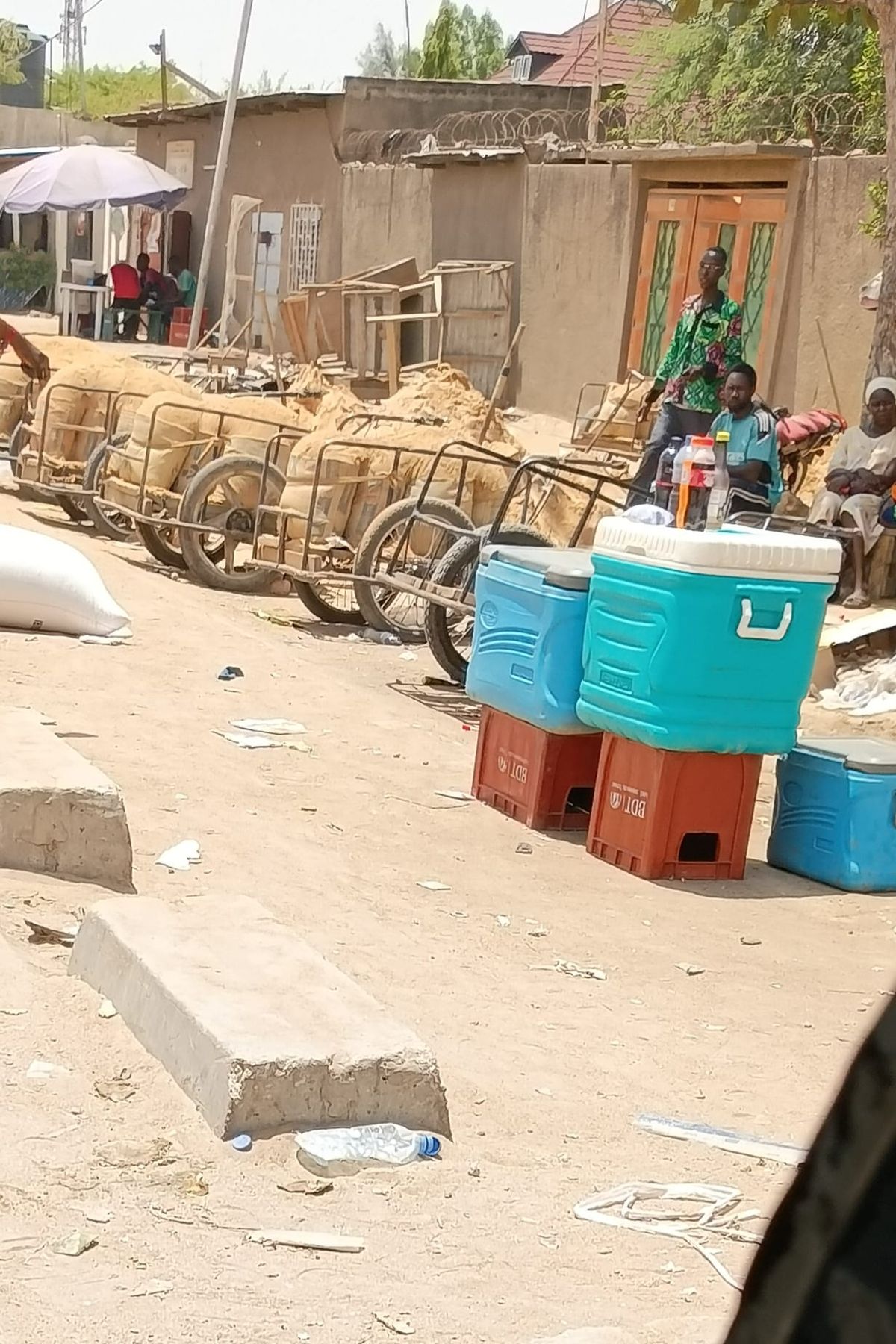
Unemployment is driving a desperate youth toward grueling labor. At the Emtoukoui market in the capital’s 7th district, dozens of young men have made sand trading their daily livelihood. It is a punishing job, far from office work, but essential for putting food on the table.
Recent macroeconomic projections indicate that poverty in Chad will reach 45.4% of the population, meaning roughly 9.5 million people live in extreme poverty.
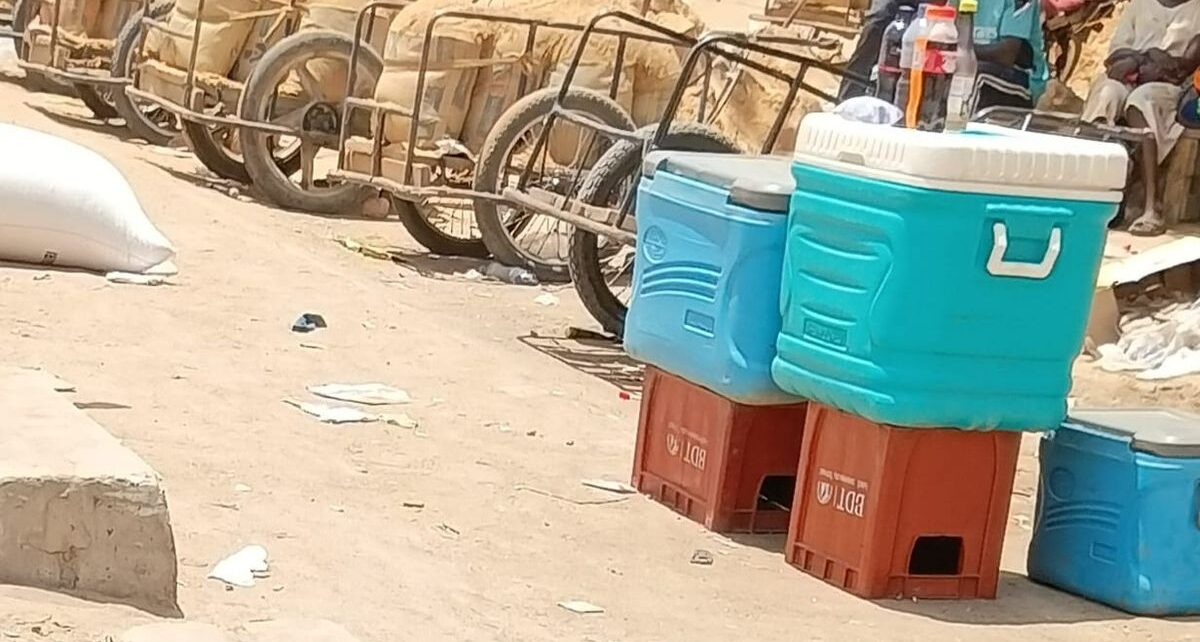
Under a scorching sun, along the paved road of the Emtoukoui market, the scene is unchanging. Loaded handcarts line the street, waiting desperately for a customer’s wave. Beside them, faces marked by fatigue and clear dejection scan for any potential buyer. This is not typical commerce; it is the trade of survival — the sand business.
In Chad, youth unemployment for those aged 15 to 24 stands at 30.3%. For the 15 to 30 age bracket, the overall rate is around 22%, while the unemployment rate among educated youth exceeds 60%.
A daily struggle by sheer strength
For these young people, many of whom have seen the doors of formal employment close, sand has become the only exploitable resource. The process is physical, repetitive, and exhausting. Sand is loaded into 50-kg sacks, then carried by hand or using the ubiquitous handcarts as they navigate neighborhoods offering their services.
“No one chooses this work out of passion, but out of necessity,” one of them says, his eyes averted, marked by the toll of an exhausting day. “We have to eat, we have to survive. So we dare, regardless of the hardship.” Most of these youth, with limited schooling, try to find a way out through this activity, but it is not easy.
An economy of improvisation
The economic model, if it can be called that, remains precarious and unpredictable. Depending on distance, route difficulty, or the customer’s bargaining power, the price per trip ranges from 2,000 to 5,000 CFA francs. A modest sum given the daily physical effort.
This situation alone illustrates the brutal reality for a portion of N’Djamena’s youth. In the absence of formal job opportunities, the informal sector becomes the last defense against misery, turning these young people into invisible laborers whose sweat builds the capital’s daily life, often in general indifference.
At Emtoukoui and elsewhere, these youth are not asking for charity, but for a chance. In the meantime, they continue to watch for the next customer, the handcart loaded, their faces hardened by the weight of an uncertain future.