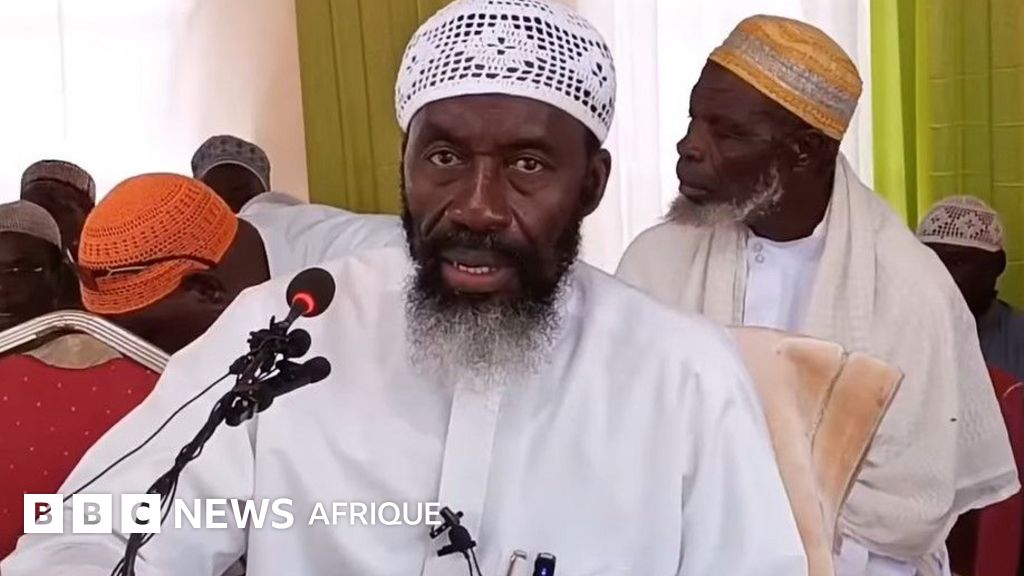
Mohamad Ishaq Kindo: what we know about the detention of Burkina Faso’s prominent imam
Ouagadougou, Burkina Faso — The arrest of Mohamad Ishaq Kindo, a leading Sunni imam and vocal critic of recent religious freedom legislation, has ignited tensions across the capital. On Tuesday, May 26, shortly before the Eid al-Adha celebrations, security forces took Kindo into custody under circumstances that remain officially undisclosed.
The Federation of Islamic Associations of Burkina Faso (FAIB) issued a statement within hours of the detention, confirming Kindo’s arrest. The organisation noted that the motives behind the operation were not yet publicly explained and announced it had initiated formal inquiries with authorities to seek clarity and a just resolution.
Witnesses described a highly confrontational scene. According to a close associate present during the interception around 2:00 PM local time, heavily armed security personnel—including police and masked soldiers—carried out the operation. The presence of civilians attempting to intervene reportedly escalated the situation, resulting in clashes and injuries among the imam’s followers.
Two days prior to his detention, Kindo had released a widely circulated recording in which he strongly criticised the newly adopted religious freedom bill, passed on March 19. In his remarks, he urged authorities to reassess the implications of their decisions before proceeding further, warning that no individual, regardless of rank or influence, possesses the authority to suppress public prayer.
public outrage and protest
News of the imam’s detention sparked immediate protests in Ouagadougou. Hundreds of demonstrators gathered in the streets, demanding his immediate release. However, the gathering was swiftly dispersed using tear gas, according to a resident who witnessed the events.
The FAIB issued a call for calm, urging Muslims to remain composed and avoid escalation during this sensitive period.
Despite the growing public discontent, no official statement has been issued regarding Kindo’s whereabouts or the legal basis for his arrest. The following day, coinciding with Eid al-Adha, the country’s president addressed the nation on social media. While acknowledging the sacrifices of security forces combating jihadist threats, he issued a stern warning to those attempting to undermine national stability. Any individual or group seeking to destabilise the nation will face full accountability for their actions, he declared.
new religious law fuels controversy
The legislative framework underpinning this controversy was adopted in a ministerial council on March 19, aiming to regulate religious practices and curb online extremism and hate speech. Mariem Sanogo, Director General of Religious, Customary, and Traditional Affairs, defended the law, stating it had been updated in response to rising radicalisation and violent extremism.
The law, which prohibits the construction of places of worship in public institutions—except in health facilities, prisons, military barracks, and camps—has drawn mixed reactions. While authorities argue it promotes national cohesion, critics view it as a restriction on religious expression.
Since the military-led government of Captain Ibrahim Traoré assumed power nearly four years ago, Burkina Faso has faced persistent security challenges from jihadist groups. The administration has defended its stringent measures as necessary to protect national security and combat terrorism.
silence persists amid uncertainty
As the Muslim community observes the Eid festivities, concern lingers over the fate of Mohamad Ishaq Kindo. With no official updates on his status, families, followers, and civil society organisations continue to seek answers, while authorities remain tight-lipped on the matter.