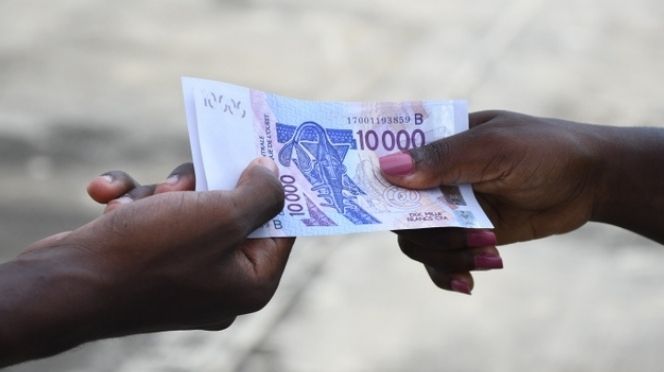
The 2024 Corruption Perception Index (CPI) from Transparency International, released on February 12, 2025, places Mali in 136th position out of 180 nations. With a stagnant score of 28 out of 100, the report highlights the country’s ongoing struggle against systemic corruption that continues to hinder national progress and governance.
According to the findings, Mali is grappling with a significant decline in the effectiveness of its oversight institutions. The report points to a lack of clarity in the awarding of public contracts and a lack of transparency in managing state funds, which fuels a widespread belief that corruption is deeply rooted in the system.
The public administration is particularly impacted by these issues. Essential services, including justice, health, and education, are frequently compromised by favoritism or the demand for bribes. This environment has deepened the rift between the state and its people, fostering a culture where the elite often act with impunity. These observations are mirrored in the local findings provided by the Office Central de Lutte contre l’Enrichissement Illicite (OCLEI) and the Bureau du Vérificateur Général.
Regional trends across West Africa
Mali’s situation reflects a broader trend across West Africa, where many nations struggle with weak governance and opaque financial management. Nigeria, the region’s largest economy, holds a score of 25 out of 100, largely due to the diversion of public resources within the oil industry. Burkina Faso, currently in a transition phase, scored 30 out of 100, failing to reach the critical 50-point threshold that separates corrupt administrations from those showing integrity.
In contrast, Ghana remains a regional leader in transparency with a score of 43 out of 100, despite experiencing a minor decline in its ranking.
Sub-Saharan Africa: A region under pressure
With an average score of just 32 out of 100, Sub-Saharan Africa remains one of the most corruption-prone regions globally. More than two-thirds of African countries scored below 50, indicating a widespread failure to implement effective anti-corruption measures.
Transparency International has also raised alarms regarding climate finance. As many African nations prepare to receive international aid to combat climate change, there is a serious risk that these funds could be embezzled. Without strict oversight, the most vulnerable populations may be deprived of the resources needed for survival and adaptation.
The lowest-ranked countries in the region include Somalia (11), South Sudan (13), and the Central African Republic (19), where long-term instability has led to the total breakdown of state institutions.
Global leaders in integrity
On the global stage, Nordic countries continue to set the standard for clean governance. Denmark remains the world’s most transparent nation with a score of 90, followed closely by Finland (88) and Norway (87). Other major economies like Germany (79) and Canada (75) also maintain high levels of public integrity despite facing their own internal debates.
The world’s most affected nations
At the bottom of the 2024 index are states suffering from severe crises and a lack of stable leadership, which allows corruption to flourish unchecked. These include:
- Somalia (11/100)
- South Sudan (13/100)
- Syria (14/100)
- Venezuela (14/100)
- Yemen (16/100)
These nations are characterized by civil unrest, institutional collapse, and total impunity for corrupt officials.
The report concludes by stressing the vital need for Mali to strengthen its anti-corruption frameworks. Key recommendations include enhancing the legal system, ensuring the absolute independence of the judiciary, and providing better safeguards for whistleblowers. Without these structural changes, corruption will continue to weaken institutions and erode public trust in the state.