Rumors spark concerns over potential migrant surge
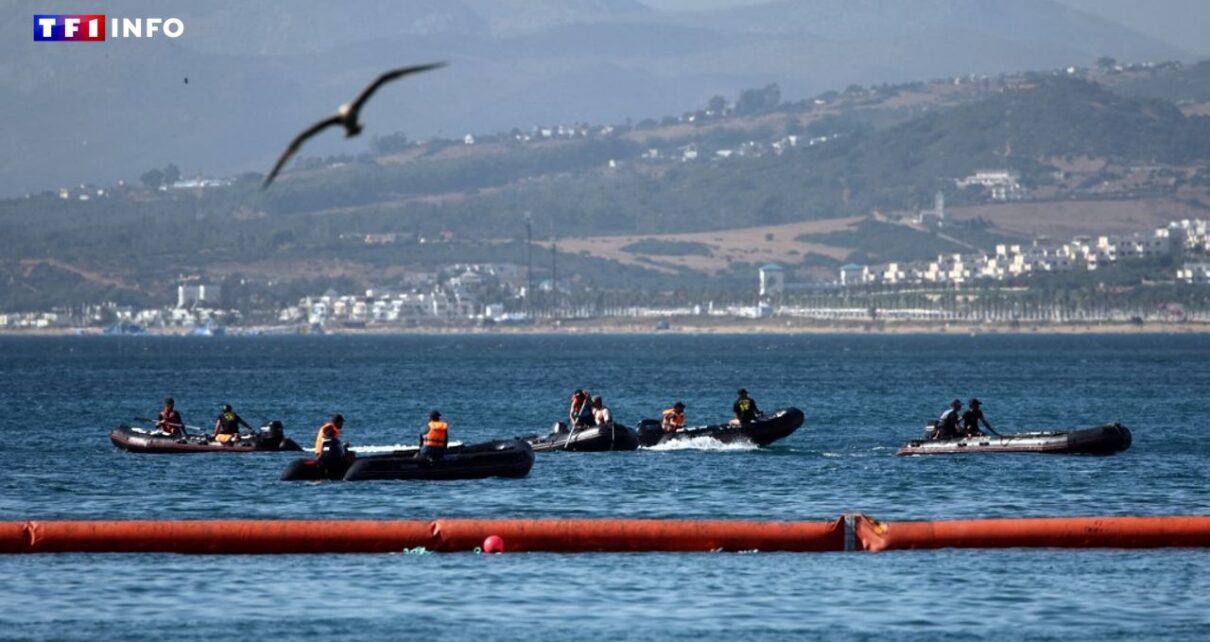
Concerns have escalated over a potential new wave of illegal migration into Spain’s North African enclave of Ceuta, following persistent social media claims that the border would open this Saturday, August 15. These unverified posts have gained traction over the past week, suggesting the Moroccan town of Fnideq would facilitate passage on what is a public holiday in Spain.
In response, Moroccan authorities have issued a firm statement, reassuring the public that all necessary precautions have been taken to prevent illegal crossings. Rachid El Khalfi, spokesperson for the Ministry of the Interior, emphasized that every measure is in place to intercept and deter any attempts to breach the border.
Legal action taken against organizers of illegal migration calls
Beyond border security, authorities have also cracked down on the spread of misinformation. Reports indicate that officials detected multiple online publications inciting collective, illegal migration not only toward Ceuta but also toward Melilla, Spain’s second North African enclave located 400 kilometers east. Those responsible for circulating such calls face legal consequences, with a group of individuals now under investigation following their recent arrests.
The surge in misleading posts comes amid a historic migration crisis. In late July, an unprecedented influx saw approximately 72,000 people illegally enter Ceuta within a matter of days—breaking records for such a short timeframe. Spanish Interior Ministry data reveals that around 70,000 of these migrants have since been returned to Morocco. However, the situation remains complex, as roughly 2,000 individuals, including over 1,000 unaccompanied minors, remain stranded in Ceuta, according to local Spanish administration reports.
Humanitarian toll of the migration crisis
The crisis has had devastating consequences. Moroccan officials report at least 11 deaths along their side of the border. On the Spanish side, Spanish forensic experts confirm at least 80 fatalities. Yet, Moroccan human rights NGOs, including the Moroccan Association for Human Rights, estimate the death toll to be significantly higher, with at least 141 lives lost during the crossing.