Unraveling the European Union’s Stance on Russia’s Shadow Fleet
The European Union continues to tighten its grip on Russian oil trade, targeting nations accused of enabling the Kremlin’s shadow fleet. While Brussels takes the lead in political negotiations, a select group of EU member states are quietly gathering intelligence, passing along critical findings to reinforce the bloc’s crackdown.
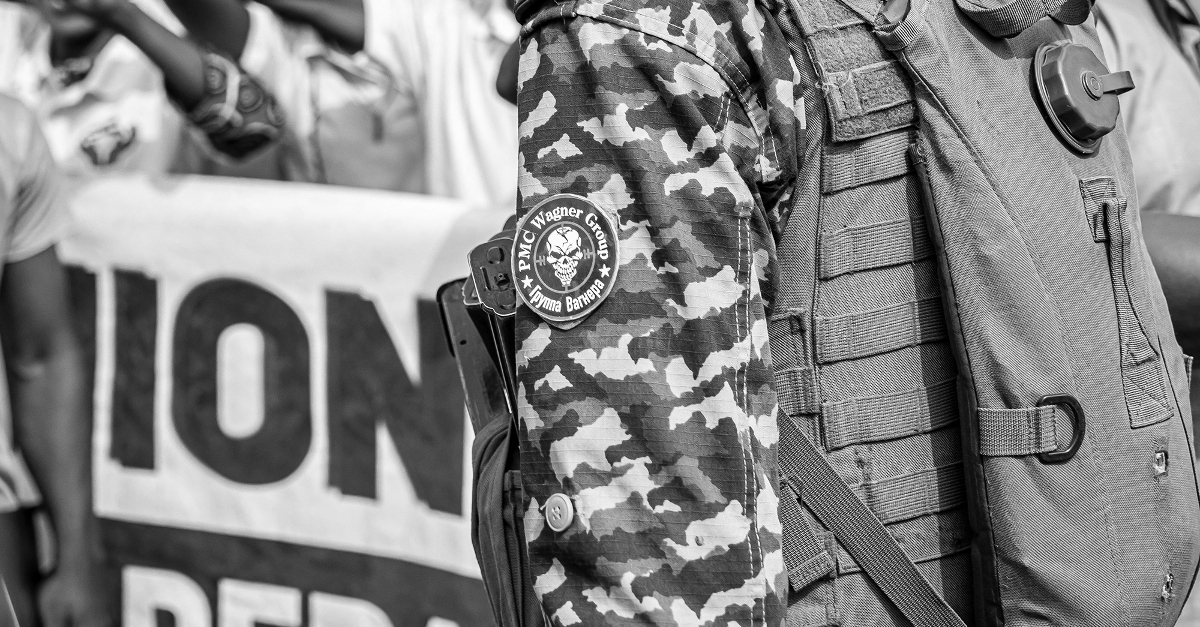
One of the most recent cases involves a Wagner Group defector granted refuge in France. A confidential note from the Direction Générale de la Police Nationale (DGPN) has raised eyebrows, suggesting deeper implications behind the defector’s presence. Authorities are investigating whether Moscow’s shadowy mercenary network maintains ties with European soil.
Brussels’ Strategy: Pressure and Surveillance
Under mounting sanctions, the EU has turned its attention to flags of convenience—shipping registries exploited to bypass restrictions. Cameroon, for instance, recently implemented stricter controls after reports exposed fraudulent use of its maritime registry to transport Russian crude. The move signals a shift in Africa’s role within the global oil trade, as nations align with—or resist—Western economic warfare.
Yet the battle extends beyond African ports. Intelligence reports circulating in Brussels indicate that some EU capitals are proactively investigating Russian-linked vessels, even before formal sanctions take effect. The DGPN’s note on the Wagner defector may be just one thread in a larger tapestry of covert operations.
What’s Next for France and Its Partners?
French authorities are now weighing whether the defector could provide actionable intelligence on Wagner’s European operations. Meanwhile, the EU’s shadow fleet task force remains on high alert, monitoring suspicious tankers and their shadowy owners. With each defection and regulatory crackdown, the net around Moscow’s oil smuggling tightens—but the game is far from over.