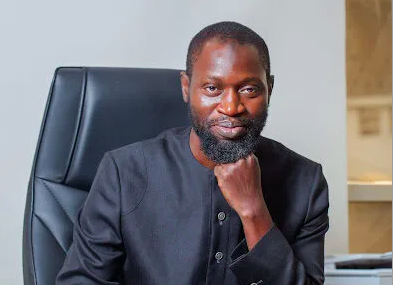
The Managing Director of the Government Real Estate Management and Development Company (SOGEPA), Elimane Pouye, has publicly disputed assertions that former Prime Minister Ousmane Sonko was the sole beneficiary of political funds during his tenure. In a strongly worded opinion piece, he argues that such claims lack factual basis and urges a more nuanced examination of public expenditure records.
Public funds debate shifts focus to transparency
Mr. Pouye contends that the debate has been unnecessarily politicized, pointing out that multiple former heads of government have accessed similar financial resources through official state budgets. He emphasizes that the issue should be addressed through verified budgetary documents rather than political rhetoric, calling for a fact-based discussion on the use of public funds.
Budget comparisons reveal consistent allocation patterns
Analyzing the Prime Minister’s budgets for 2023, 2024 and 2025, the SOGEPA chief highlights that the financial structures remained fundamentally unchanged across these years. Any variations, he notes, stem primarily from institutional reorganizations affecting certain ministerial portfolios rather than fundamental differences in funding mechanisms.
According to Mr. Pouye, the real novelty in this discussion isn’t the existence of political funds themselves—which he argues have always been part of the national budget—but rather their public acknowledgment by a former Prime Minister. He suggests that this admission opens new questions about how such resources were utilized by previous administrations.
Call for evidence-based political discourse
The SOGEPA director advocates for a return to substantive debate, stressing that discussions about public finances should be grounded in verifiable data rather than speculative claims. He warns against attempts to revive old political divisions, arguing that such tactics distract from the core issue of ensuring accountable governance.
Mr. Pouye concludes by affirming the health of Senegal’s democratic institutions, while cautioning against political actors who seek to manipulate public perception through selective information and unfounded accusations. He maintains that the country’s political maturity requires rigorous, evidence-based exchanges rather than sensationalist narratives.