political standoff as senegalese assembly rejects government amendments
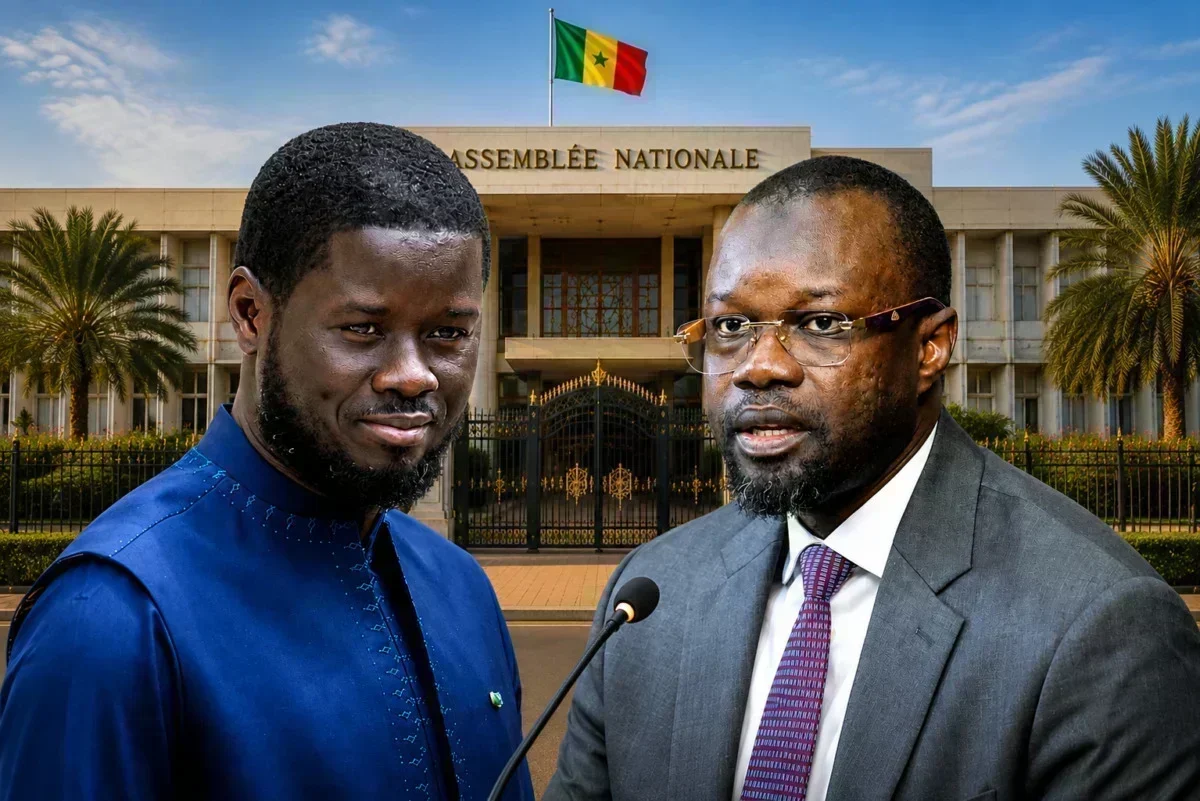
Tensions escalate as legislative and executive branches clash over financial oversight in Senegal’s National Assembly.
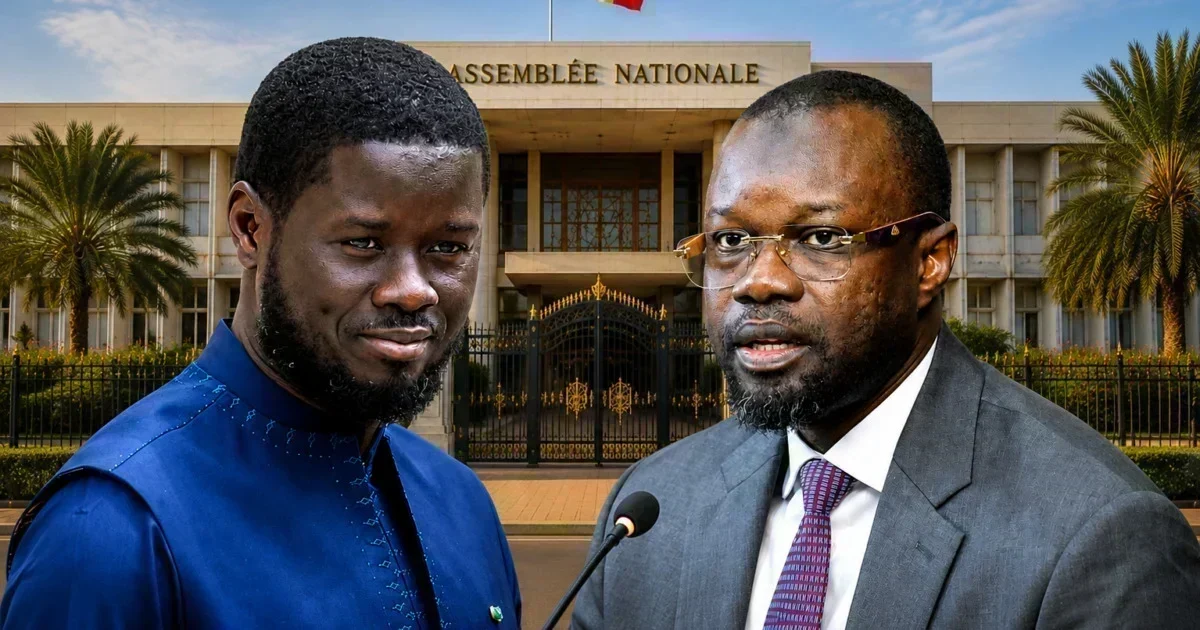
The delicate balance of power at Senegal’s National Assembly remains under severe strain. Following heated debates over asset declarations, another intense confrontation erupted between lawmakers and the executive branch during the technical review of a bill addressing special credit regulations. The latest clash underscores President Bassirou Diomaye Faye’s determination to push through controversial financial reforms, despite strong parliamentary resistance.
The government’s strategy took an unexpected turn when the President bypassed the designated Finance Minister, Cheikh Diba, by appointing the Justice Minister, Moussa Sarr, as the lead negotiator. This tactical move, formalized through a decree issued on August 7, signaled a clear escalation in the political tug-of-war. As technical discussions commenced under the leadership of Commission Chair Cherif Ahmed Dicko, Moussa Sarr immediately raised procedural concerns about the bill’s drafting inconsistencies before proposing six amendments—all of which were swiftly rejected by the ruling Pastef party’s deputies.
Government’s amendments face blanket rejection
The legislative majority made its position unequivocal: every amendment introduced by Moussa Sarr was dismissed without consideration. Only one proposal survived the vote—an amendment by Alphonse Mané Sambou that reinforced parliamentary control over special funds. The rejected amendments sought to expand the definition of special credits beyond defense and security to include social cohesion and national stability, sparking sharp disagreements over fiscal autonomy.
The most contentious revisions involved:
- Scope expansion: The government pushed to include credits for the National Assembly leadership and Prime Minister, a move rejected outright as an overreach of executive authority.
- Definition disputes: While opposition lawmakers restricted special credits to defense, security, and intelligence, the executive branch advocated for broader interpretations covering humanitarian crises and social cohesion.
- Control mechanisms: Legislative proposals favored strict parliamentary oversight through the Finance Commission, whereas the government insisted on existing regulatory frameworks.
Parliamentary victory sets stage for further confrontation
The bill, amended to reflect legislative priorities, now advances to next week’s plenary session. Analysts anticipate another round of amendments from the executive, which will likely meet the same fate. Past confrontations suggest Moussa Sarr may invoke Article 82’s blocked vote procedure, though Assembly President Ousmane Sonko has vowed to resist such tactics unless reserved for government bills—potentially triggering another constitutional review.