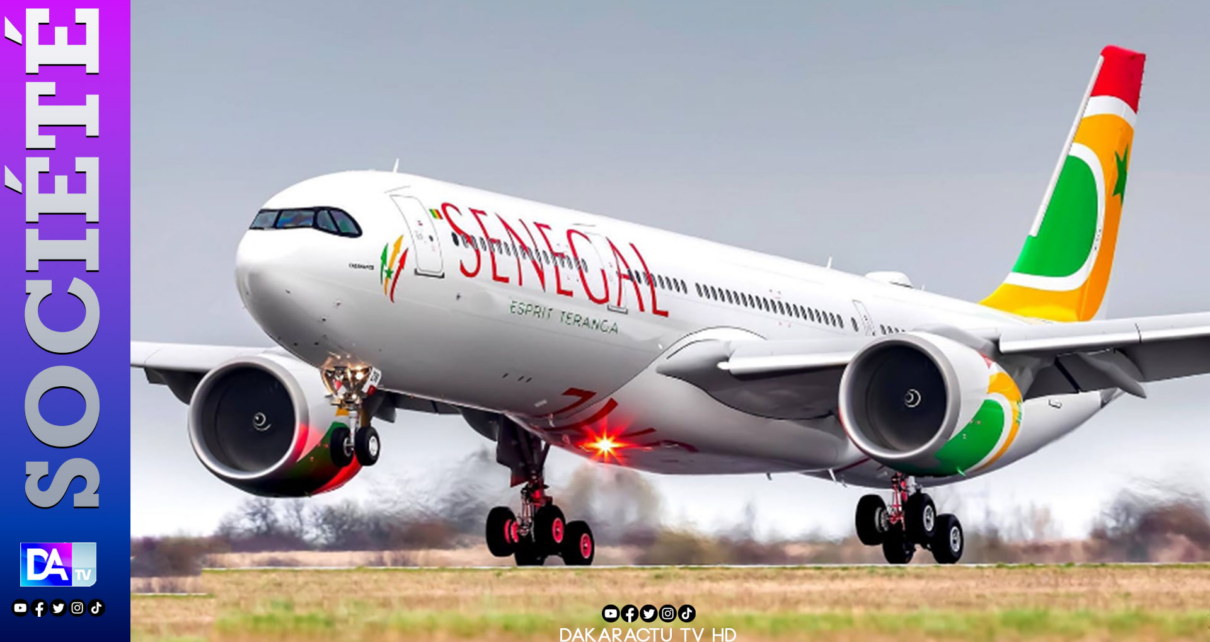
After months of legal wrangling, Air Sénégal has reached a definitive settlement with the American leasing firm Carlyle, bringing an end to a contentious dispute over aircraft leases. The resolution marks a significant shift in the airline’s ongoing efforts to restructure its fleet and financial obligations.
Under the agreement finalized in Dakar, a judicial case filed against Air Sénégal before the Dakar High Commercial Court was officially withdrawn. The airline’s management, led by Director General Tidiane Ndiaye, confirmed that all outstanding payments—including overdue lease fees and maintenance reserves—have been settled in full. This development paves the way for Carlyle to drop its legal proceedings in New York, effectively closing the chapter on this international dispute.
The resolution stems from a conciliation protocol signed on May 4, 2026, and subsequently ratified by the court on June 25, 2026. While the terms remain confidential, insiders indicate that the agreement reflects a mutual acknowledgment of Air Sénégal’s financial constraints at the time the aircraft were returned.
Why Air Sénégal ended the aircraft leases
The decision to terminate the agreements was driven by a combination of financial and operational concerns. Air Sénégal had leased two Airbus A319 and two Airbus A321 aircraft from Carlyle, but the company’s leadership determined that the cost of maintaining and operating these planes outweighed their benefits. Reports suggest that persistent technical issues and high maintenance costs had placed an unsustainable burden on the airline’s already strained finances.
By opting to return the aircraft, Air Sénégal aimed to streamline its fleet operations and reduce unnecessary expenses. The move was part of broader restructuring efforts to stabilize the company’s financial health and improve its long-term viability.
A dispute resolved through negotiation
Initially, Carlyle pursued legal action against Air Sénégal, seeking compensation for the unpaid lease fees and maintenance costs. However, the two parties eventually shifted toward a negotiated settlement, demonstrating the value of dialogue in resolving complex commercial disputes. The agreement not only clears the airline’s debts but also restores its reputation in the aviation leasing market.
The successful resolution underscores the importance of transparency and cooperation in business partnerships. For Air Sénégal, this case serves as a lesson in balancing financial prudence with operational needs—a strategy that could shape future decision-making.