Senegal’s bold move: challenging oil majors for fairer terms
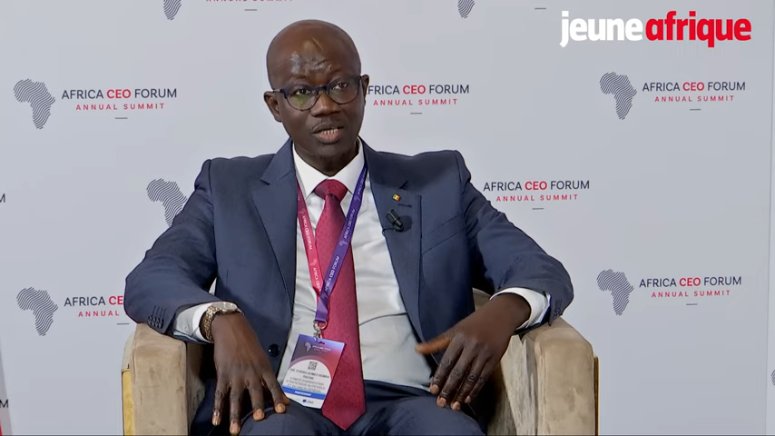
Dakar is preparing to take legal action against major oil companies BP and Woodside to renegotiate their contracts. During a high-level discussion at the Africa CEO Forum, Khadim Bamba Diagne, Permanent Secretary of Senegal’s Strategic Orientation Committee for Petroleum and Gas, made it clear that no option is off the table—including international arbitration—to ensure the country secures a better deal from its offshore oil and gas projects.
Why the urgency for renegotiation?
The contracts signed with these energy giants span 30 to 50 years, and Senegal’s leadership believes that correcting terms now is far better than allowing unfavorable conditions to persist. The stakes are high: Senegal’s offshore oil and gas fields directly impact local fishing communities, which employ between 600,000 and 700,000 people. Khadim Bamba Diagne emphasized that Senegal, as a responsible state, cannot accept an arrangement where foreign companies reap most of the profits while the country bears the brunt of negative externalities.
He criticized the current model, where African nations often end up shouldering the consequences of resource extraction—environmental damage, displaced livelihoods—without reaping proportional benefits. The goal, he stated, is to ensure Senegal and its people gain a fair share, especially as global energy prices surge.
Leveraging high oil prices for leverage
The recent spike in hydrocarbon prices has strengthened Senegal’s negotiating position. Khadim Bamba Diagne pointed out that oil companies are profiting immensely from the price rally, and Senegal must do the same. He stressed that all partners in the joint ventures—including BP and Woodside—should benefit from this favorable market dynamic. The Permanent Secretary warned that Senegal will not settle for agreements that fail to reflect its fair share of the windfall.
The push for arbitration is also strategic: it aims to establish legal precedents that will guide Senegal’s oil and gas sector for decades. With the country still in the early stages of oil and gas production, setting solid contractual foundations now is critical to avoid future disputes and ensure sustainable development.
What’s next for Senegal’s energy sector?
The government’s firm stance signals a turning point in how Senegal approaches its natural resources. By challenging the terms of these long-term contracts, Dakar is asserting its sovereignty and demanding equity in the exploitation of its offshore wealth. The outcome of this legal battle could reshape Senegal’s energy landscape, influencing how future contracts are negotiated and ensuring that the country—and its people—retain control over their resources.