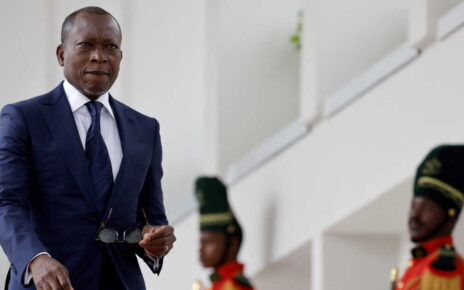
The Senegalese government confirmed this week that President Bassirou Diomaye Faye is personally overseeing negotiations with the International Monetary Fund (IMF) to address a debt crisis stemming from undisclosed liabilities uncovered in 2024 under the previous administration.
While Prime Minister Ousmane Sonko hosted a high-profile conference in Dakar on “exploring alternatives to Bretton Woods solutions”—featuring economists and academics—President Faye’s team issued a statement from Nairobi reiterating his hands-on approach to resolving the nation’s financial challenges. The move underscores the administration’s commitment to transparency and accountability in managing the country’s economic affairs.
Direct engagement with global financial leaders
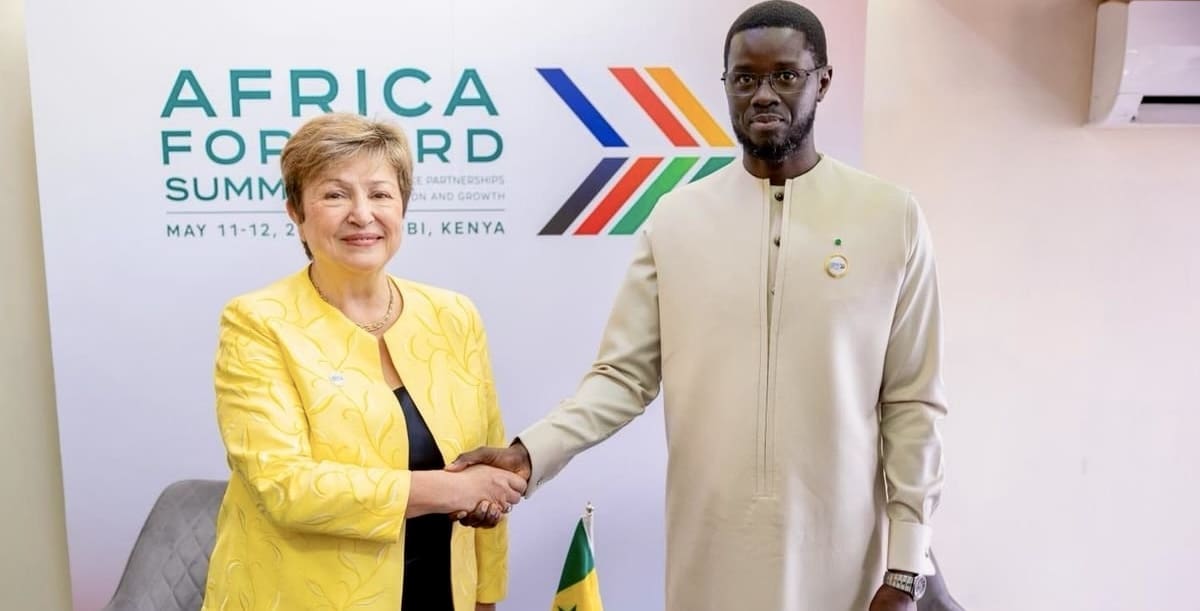
In a strategic move to assert Senegal’s position, President Faye met with IMF Managing Director Kristalina Georgieva on the sidelines of the Africa Forward Summit. Their discussion focused on potential debt restructuring strategies and ways to mitigate the economic fallout from regional instability, particularly rising energy costs driven by Middle East conflicts. The presidential cabinet emphasized that this issue remains a “top priority” for the head of state, who is personally investing significant effort into securing favorable terms.
The IMF’s recent downward revision of Senegal’s economic growth forecast and its warning of a larger-than-expected current account deficit underscore the urgency of these negotiations. The uncertainty has left Dakar seeking a new $1.8 billion loan package from the IMF to stabilize a national debt that now exceeds 130% of GDP.
Resistance to IMF demands
Last year, Prime Minister Sonko publicly rejected IMF proposals for debt restructuring, labeling the conditions as “humiliating.” The current administration has since taken a firmer stance, prioritizing sovereign control over fiscal policy while engaging in direct dialogue with global financial institutions.
The IMF suspended a prior assistance program in 2024 after discovering discrepancies in debt reporting. Now, with negotiations underway, Senegal is navigating a delicate balance between securing financial support and maintaining economic sovereignty.