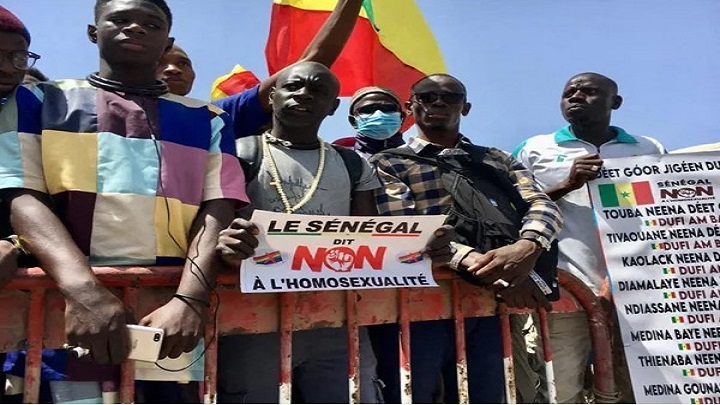
The relationship between Senegal and France has hit a new low following the recent passage of a law that toughens penalties for same-sex relationships and the detention of a French national in Dakar earlier this year. These developments have intensified an already delicate situation, reigniting debates about human rights, national sovereignty, and the future of bilateral relations.
On March 11, 2026, Senegal’s National Assembly approved a bill that significantly increases legal consequences for individuals engaging in same-sex acts. Authorities defend the measure as a necessary step to uphold the country’s cultural and moral values, which they argue are deeply rooted in societal norms. While existing laws in Senegal already criminalize homosexuality, this amendment represents a major escalation, drawing sharp criticism from international observers and foreign governments.
Adding to the strain, a French engineer in his early 30s, who had been residing in Dakar, was arrested on February 14, 2026. Official reports indicate he faces multiple charges, including “unnatural acts,” criminal conspiracy, money laundering, and attempted HIV transmission. French consular officials have confirmed they are closely monitoring the case, maintaining regular contact with the detainee and his family.
In France, lawmakers and activists have decried the situation, with prominent figures like Yaël Braun-Pivet publicly condemning what they describe as systemic discrimination against LGBT+ individuals in Senegal. They argue that criminalizing sexual orientation violates fundamental human rights. However, reactions in Senegal have been sharply divided. Some political leaders and analysts view these criticisms as unwarranted interference in the country’s domestic affairs, emphasizing that every nation has the right to shape its laws based on its unique social, cultural, and legal context.
The dispute has taken place against a backdrop of shifting dynamics in Franco-Senegalese relations. Over the past few years, both countries have sought to redefine their partnership across economic, security, and diplomatic spheres. This evolving relationship has not been without friction, particularly on contentious issues where perspectives diverge.
The debate over LGBT+ rights has emerged as a major point of contention. While human rights advocates call for international protections for persecuted minorities, others insist on the importance of respecting national sovereignty and local cultural realities. Beyond the case of the French detainee, this controversy highlights the deep divide between Western and African interpretations of individual freedoms—and the challenges of fostering a balanced diplomatic dialogue on such sensitive topics.
As officials in Dakar and Paris continue their discussions, the two capitals are navigating a relationship where cooperation and disagreements now coexist more visibly than ever before.