Senegal’s PM condemns western pressure on homosexuality laws
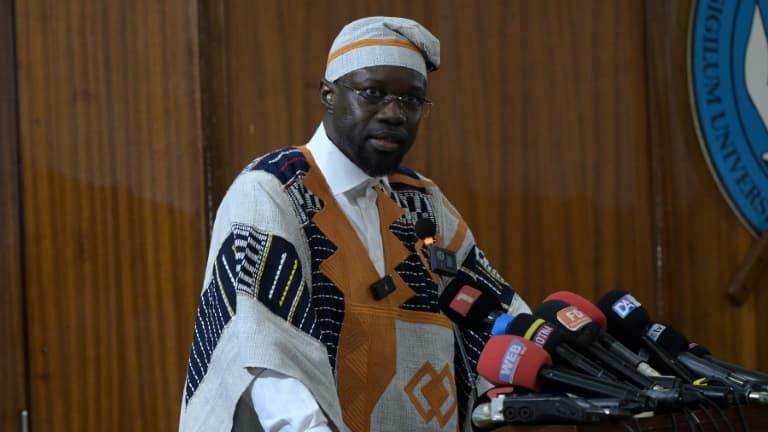
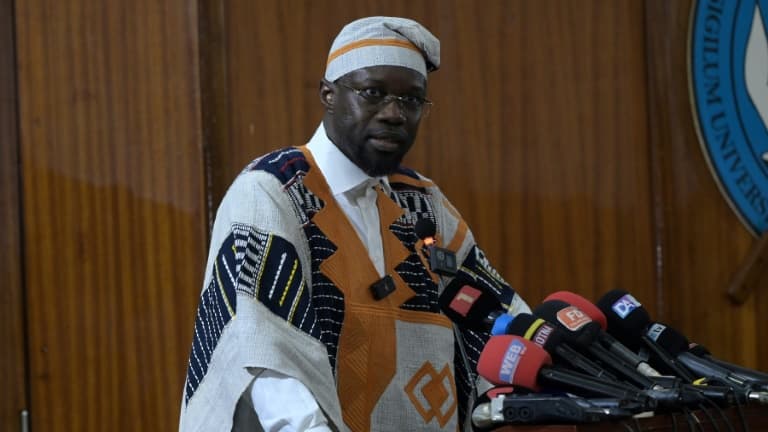
Prime Minister Ousmane Sonko forcefully rejected western criticism of the new legislation during a parliamentary address on May 22, labeling it as “a form of tyranny” and vowing to uphold the law without compromise.
The statement came shortly after the bill was signed into law by President Bassirou Diomaye Faye on March 31, following its passage through parliament. The move follows a wave of arrests linked to alleged homosexuality and reflects growing social tensions surrounding LGBTQ+ issues in the predominantly Muslim West African nation.
Western pressures rejected
In a pointed rebuke to international critics, Sonko argued that “a small group of western nations, despite internal divisions, seeks to impose their views on the world using media dominance and financial leverage.” He questioned the moral authority behind such demands, declaring, “They have their own issues to resolve in France and elsewhere—this is not our concern, and we will not accept lectures from anyone.”
Highlighting solidarity from other regions, he noted that “no Asian, African, or Arab country has criticized Senegal’s stance.” He further warned that if the law requires strengthening, “it will be strengthened.”
The Prime Minister emphasized that the justice system must enforce the law “fully, impartially, and rigorously,” stating that the primary goal remains to “halt the spread of homosexuality” in the country.
No moratorium on enforcement
Sonko also dismissed calls for a moratorium on the law’s application, following a mid-May appeal by a coalition of over thirty African-origin personalities published in a French newspaper. The group cited concerns over a “climate of fear, hatred, and violence” allegedly emerging after the bill’s adoption.
With a firm response, the Prime Minister stated, “There will be no moratorium. Some of our elites suffer from inferiority complexes.” He insisted that the law reflects national values and will be applied without exception.
The bill’s passage aligns with a long-standing political promise from the ruling coalition, resonating strongly with conservative and religious segments of Senegalese society.